
By Hammad Kahlun
Scandinavian news Finland
Bank Verification Rule in Rural India Leads to Disturbing Incident in Odisha
A disturbing incident reported from Odisha, India, has sparked widespread discussion about banking procedures, rural access to financial services, and administrative challenges in remote regions.
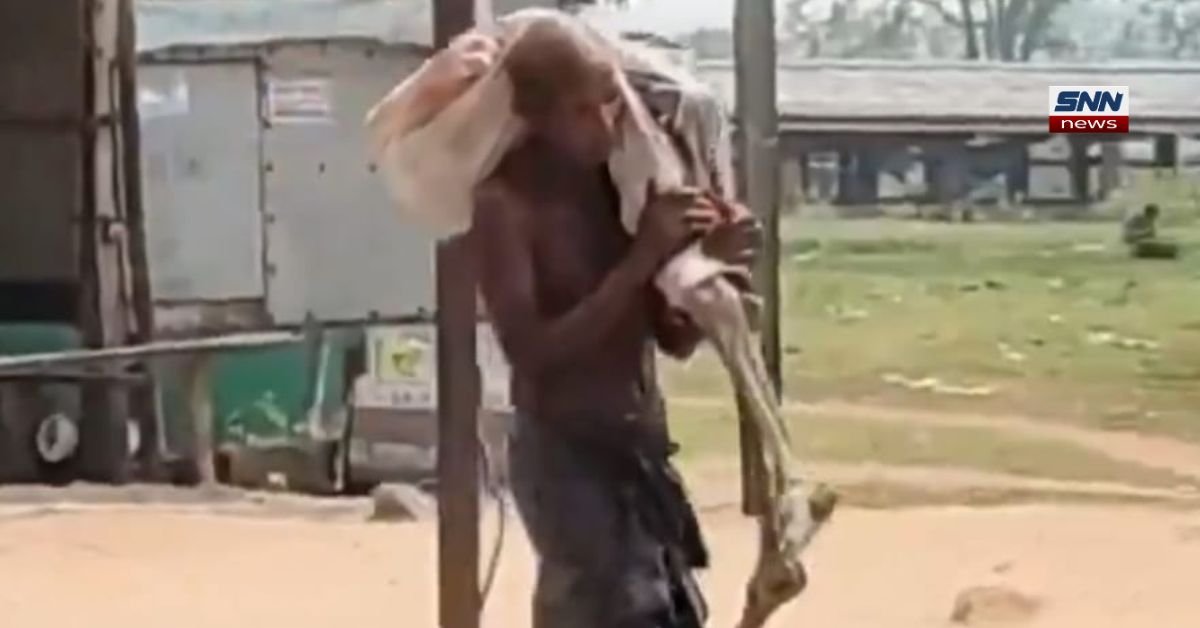
According to local reports, a tribal man allegedly exhumed the grave of his deceased sister and carried her skeletal remains to a bank branch in an attempt to withdraw money from her account.
The case has drawn attention due to the unusual and distressing circumstances surrounding the incident, as well as questions about how strict banking verification rules can affect families in rural and tribal communities.
Authorities have not independently verified all details, and the matter is believed to be under further review by local officials.
What Happened in Odisha: Reported Sequence of Events
As per reports circulating in local media, the incident took place in a tribal region of Odisha, where a man attempted to access approximately ₹20,000 (around $200) from his late sister’s bank account.
The key points of the incident include:
- The woman had reportedly passed away some time ago
- Her bank account still held a small balance
- The brother attempted to withdraw the money
- The bank allegedly required the account holder’s physical presence for verification
- In response, the man reportedly took extreme steps involving the burial site
- Odisha
Reports claim that he exhumed her grave and brought skeletal remains to the bank, believing this would satisfy the requirement of proof of identity.
The incident has not been officially confirmed in full detail, and investigations may still be ongoing.
Banking Rules and Verification Requirements in India
The situation highlights a broader issue related to banking regulations and identity verification systems in India.
Banks are legally required to ensure that withdrawals and account operations are carried out by verified account holders or authorized legal heirs. This includes:
- Identity verification using government-issued documents
- Biometric authentication in many cases
- Legal heir certificates after a customer’s death
- Formal claim processes for deceased accounts
- Odisha
In rural areas, however, families often face challenges in navigating these procedures due to:
- Limited awareness of legal banking processes
- Lack of documentation
- Distance from bank branches
- Language and literacy barriers
- Odisha
Financial institutions generally freeze accounts once a death is reported until proper legal documentation is provided. This system is designed to prevent fraud, but it can create delays and confusion in underserved regions.
Rural and Tribal Context in Odisha
Odisha has a significant tribal population living in remote and forested areas, where access to banking infrastructure is still developing. Many residents depend on small savings accounts under government financial inclusion programs.
Challenges in such regions often include:
- Limited access to banking officers
- Low awareness of succession laws
- Dependence on informal guidance
- Difficulties in obtaining legal heir certificates
Experts in rural development note that misunderstandings about banking procedures are not uncommon in isolated communities, where official communication may not always reach effectively.
Legal and Ethical Concerns Raised by the Incident
If confirmed, the reported actions in this case may raise serious legal and ethical questions under Indian law.
Exhumation of a body without legal permission is generally considered a punishable offense under criminal law, and financial fraud prevention laws also regulate unauthorized access to accounts.
Legal experts emphasize that in such situations:
- Proper legal heir documentation is the only accepted method for claiming funds
- Banks cannot process withdrawals based on informal or physical proof
- Families must report deaths and initiate succession procedures
Authorities typically require a death certificate, proof of relationship, and court or administrative verification before releasing funds.
Public Reaction and Social Media Debate
The incident has triggered strong reactions on social media platforms, with users expressing shock, disbelief, and concern over both the alleged act and the banking process challenges that may have contributed to it.
Key themes in public discussion include:
- Difficulty of banking procedures in rural India
- Lack of financial literacy in remote communities
- Emotional distress caused by financial restrictions after death
- Need for better outreach by financial institutions
While some users focused on condemning the reported actions, others highlighted the need for stronger administrative support systems to prevent such extreme situations.
Broader Issue: Financial Inclusion vs. Administrative Barriers
India has made significant progress in financial inclusion over the past decade through initiatives such as basic bank accounts and digital banking expansion. However, experts say gaps still exist in:
- Awareness of legal banking rights
- Access to digital verification systems
- Efficient processing of inheritance claims
In many rural districts, families are still dependent on manual documentation processes, which can take time and require multiple visits to government offices and banks.
This case, whether fully verified or not, reflects the tension between strict regulatory compliance and real-world accessibility challenges.
Importance of Improving Financial Literacy
Financial experts argue that improving awareness in rural and tribal areas is essential to prevent misunderstandings related to banking procedures.
Suggested improvements include:
- Local-language financial education programs
- Mobile banking outreach camps
- Faster issuance of legal heir certificates
- Simplified claim processes for small accounts
Such measures could help reduce confusion and prevent extreme outcomes arising from procedural misunderstandings.
Administrative Response and Ongoing Review
Local authorities in Odisha are expected to review the circumstances surrounding the incident. However, official confirmation of all details has not yet been fully established at the time of reporting.
Law enforcement agencies typically investigate cases involving grave disturbance and financial irregularities separately, depending on the findings.
Conclusion: A Case Reflecting Systemic Gaps
The reported incident in Odisha highlights deeper issues at the intersection of rural poverty, administrative systems, and financial regulations.
While banks must follow strict verification procedures to ensure security, accessibility and awareness remain critical in remote communities.
Whether viewed as a misunderstanding or a breakdown in communication, the case underscores the need for stronger financial literacy, improved rural banking outreach, and clearer processes for families dealing with deceased account holders.
As India continues expanding its banking network, ensuring that no citizen faces extreme distress due to procedural gaps remains a key policy challenge.
odisha-india-tribal-bank-withdrawal-incident-news-report
About The Author