
By Riffat Kausar
SNN News Finland
Bureau Chief Pakistan
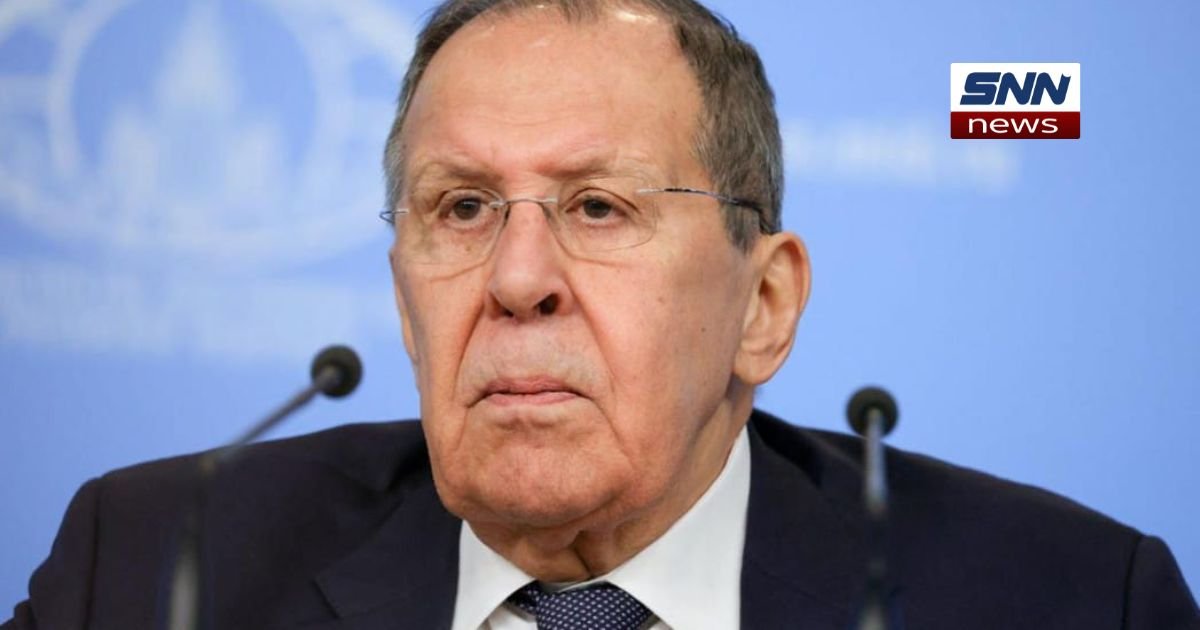
Russian Foreign Minister Sergey Lavrov has accused the United States of forcing Russian companies to exit Venezuela following a recent U.S. operation that led to the capture of President Nicolás Maduro.
The comments highlight increasing tensions between Moscow and Washington over influence in Latin America and control of Venezuela’s energy sector.
In an interview with Kremlin-backed media, Lavrov claimed that Russian firms particularly in the oil industry are being “quite openly” pushed out of the South American nation.
According to Lavrov, these actions come in the aftermath of U.S. pressure and sanctions targeting Russian firms such as Lukoil and Rosneft, which have historically held significant stakes in Venezuelan oil projects.
What Happened in Venezuela?
The situation unfolded after a U.S. military operation in January 2026 resulted in the capture and removal of Venezuelan President Maduro and his wife, who were flown to the United States to face drug-trafficking charges.
This operation marked a sharp escalation in U.S. involvement in Venezuelan affairs and sparked a diplomatic row with Russia.
Lavrov described the withdrawal of Russian companies from Venezuela’s energy sector as a direct consequence of U.S. actions.
While he did not name specific companies in some remarks, state-linked firms like Rosneft and Lukoil have faced sanctions and regulatory barriers that have significantly hindered their business operations in the country.
Russia’s Investments in Venezuela
Russia began expanding its economic footprint in Venezuela in the early 2000s under President Hugo Chávez, providing billions in financial support and weapons.
In exchange, Russian state-backed energy firms acquired stakes in key Venezuelan oil assets, making Moscow a central partner in the South American nation’s oil industry for decades.
Between 2006 and 2017, the Kremlin reportedly provided around $17 billion in loans and credits to the Venezuelan government and its state oil company, PDVSA.
These investments helped sustain Venezuela’s oil production infrastructure and deepen ties between the two countries.
The deepening relationship continued into the 2010s, with Russian companies like Rosneft acting as significant creditors to Venezuela.
In some joint ventures, Russia-linked firms helped maintain operations as the country faced economic and political turmoil. However, recent developments suggest that those arrangements are now unraveling.
U.S. Sanctions and Oil Sector Impact
The United States has imposed tough sanctions on Russian energy firms, including Lukoil and Rosneft, in response to broader geopolitical tensions.
These sanctions combined with tariffs and threats against countries that purchase Russian oil are part of what Lavrov described as efforts to diminish Russia’s role in the global energy market.
Analysts warn that the expanding scope of U.S. restrictions could force Russia to write off billions in investments and loans tied to Venezuela.
Trade between Moscow and Caracas, especially in the energy sector, may stall if Russian businesses continue to face mounting barriers.
In response, some Russian state-owned entities, such as Roszarubezhneft, have moved to protect assets by transferring ownership to the Russian government, aiming to maintain a degree of operational continuity despite the mounting challenges.
Global and Regional Implications
The departure of Russian companies from Venezuela carries significant geopolitical weight. Venezuela has been a longstanding arena for competition between global powers, with Moscow traditionally supporting Maduro’s government while Washington has backed opposition forces and pushed for political change.
The shift in control of Venezuela’s energy sector could realign regional alliances and influence. If U.S. firms expand their influence in
the post-Maduro era as some policy initiatives suggest it may reshape energy partnerships and economic leverage in Latin America.
Analysts also point to potential broader impacts on Russia’s economy. With the Ukrainian conflict continuing and Western sanctions constraining Moscow across multiple fronts, losses in Venezuelan investments could compound financial pressures on the Russian state and its strategic companies.
What Comes Next?
Officials from Moscow and Caracas have maintained that existing contracts and partnerships will be honored where possible. However, the disruption in Venezuela’s energy sector and the increasing influence of U.S. policy present uncertainty for future cooperation.
As political tensions rise, observers will be watching closely how remaining Russian assets are managed, whether new investment partners emerge, and how Caracas navigates its shifting international alliances.
Learn more about Russian energy investments in Latin America here.
About The Author