

Afghan Women Use Silent Protest to Oppose Sports Ban After Taliban Return to Power
After the Taliban regained control of Afghanistan, sweeping restrictions were imposed on women’s participation in public life, including a complete ban on women playing sports.
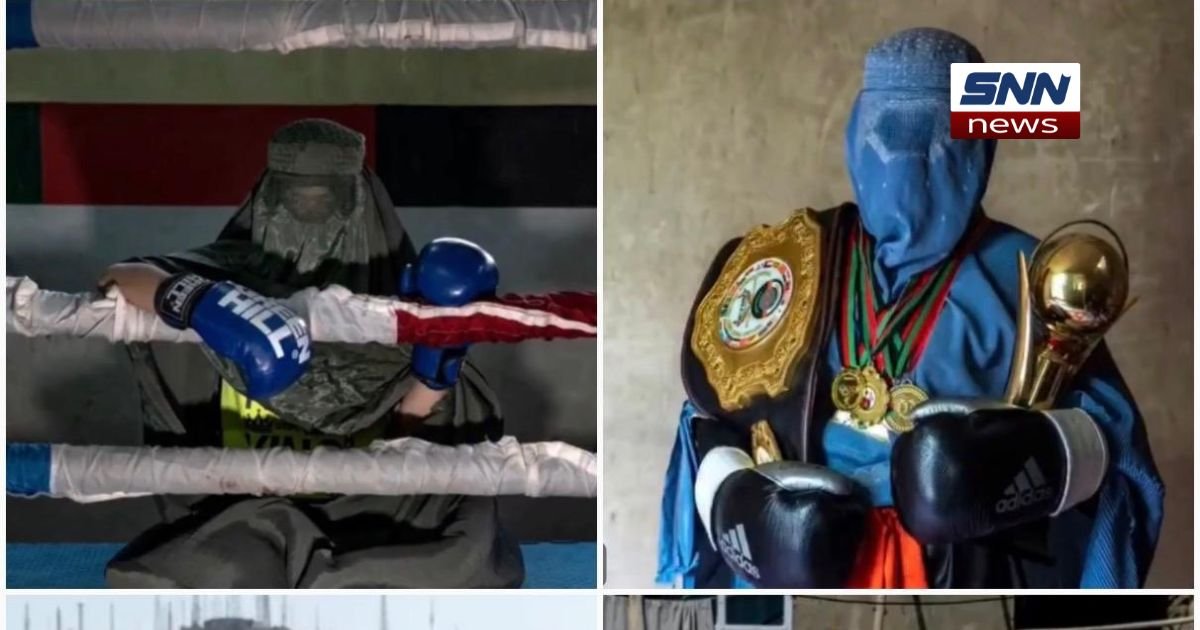
In response, Afghan women have turned to silent protest, standing beneath their burqas while holding sports equipment from the games they are no longer allowed to play. The images, shared quietly and often anonymously, have become a powerful symbol of resistance against the erosion of women’s rights in the country.
The protests emerged in the months following the Taliban’s return to power in August 2021, when the group announced policies barring women from most athletic activities. Taliban officials argued that women’s sports were “un-Islamic” and incompatible with their interpretation of religious and cultural norms.
What Changed After the Taliban Takeover
Before the Taliban’s return, Afghan women had gradually gained access to sports over the past two decades. Female athletes represented Afghanistan in football, cricket, taekwondo, cycling, athletics, and weightlifting,
both domestically and internationally. Women’s sports teams, though limited and often under-resourced, symbolized broader progress in education and public participation.
That progress came to an abrupt halt when the Taliban dissolved women’s sports federations and barred female athletes from training, competing, or even appearing in public sporting spaces.
According to former officials from Afghanistan’s sports authorities, all organized women’s sports activities were suspended, and many facilities were either closed or repurposed.
Silent Protest Through Symbolism
Unable to protest openly due to security risks, Afghan women adopted a quiet but deeply symbolic form of resistance. In photographs circulated on social media and shared with international media outlets, women stand covered in full burqas, holding:
- Footballs
- Cricket bats
- Boxing gloves
- Sports uniforms and medals
The images contain no slogans or spoken messages. Instead, the contrast between the concealed figures and the visible sports equipment highlights what many Afghan women describe as the loss of identity, opportunity, and freedom.
Human rights advocates say the protests are designed to avoid direct confrontation while still documenting dissent.
Risks Faced by Women Protesters
Public demonstrations by women in Afghanistan carry significant risks. Since taking power, the Taliban have dispersed protests, detained participants, and warned against unauthorized gatherings. Women activists report harassment, intimidation, and in some cases temporary detention.
As a result, many women involved in the silent sports protests chose to remain anonymous. Some used private indoor spaces to stage the photographs, while others relied on trusted intermediaries to share images outside the country.
International rights groups say these risks underscore the shrinking space for women’s expression under Taliban rule.
Impact on Afghan Female Athletes
The ban has had lasting consequences for women athletes, many of whom spent years training under difficult conditions. Some were forced into hiding, while others fled the country with assistance from foreign governments and sports organizations.
Former Afghan athletes have spoken about:
- Loss of careers and income
- Psychological distress and isolation
- Fear of being identified due to past public participation
- Limited access to education and employment
Several international sports federations condemned the ban, noting that Afghanistan’s exclusion of women violates global sporting principles.
International Reaction and Human Rights Concerns
The treatment of Afghan women remains a central issue in discussions between the Taliban and the international community. The United Nations, Human Rights Watch, and Amnesty International have repeatedly criticized restrictions on women’s rights, including bans on education, employment, and sports.
Western governments have linked recognition of the Taliban administration to measurable improvements in women’s rights, though no formal recognition has been granted so far.
Despite global attention, Taliban leaders have shown little willingness to reverse policies affecting women’s public participation.
Why Sports Matter in Afghan Society
Experts argue that sports are more than recreation. For Afghan women, participation represented:
- Access to public space
- Physical and mental well-being
- Representation on international platforms
- A pathway to education and leadership
The ban on sports is seen by analysts as part of a broader effort to remove women from public life altogether.
A Quiet Message to the World
While the protests remain silent, their message is clear. By holding the tools of the sports they once played, Afghan women are asserting that their identities and ambitions cannot be erased.
Rights advocates say these acts of resistance serve as documentation of life under Taliban rule and a reminder that Afghan women continue to demand dignity, opportunity, and recognition — even when speaking out is dangerous.
As restrictions persist, the future of women’s rights in Afghanistan remains uncertain, but the quiet defiance captured in these images continues to resonate far beyond the country’s borders.
The Afghan women protest reflects a silent but powerful resistance against Taliban restrictions on women’s rights.
About The Author