
By Hammad Kahlun
Scandinavian News Finland
Calls for Peace and Normalization as Finland–Russia Relations Remain Broken
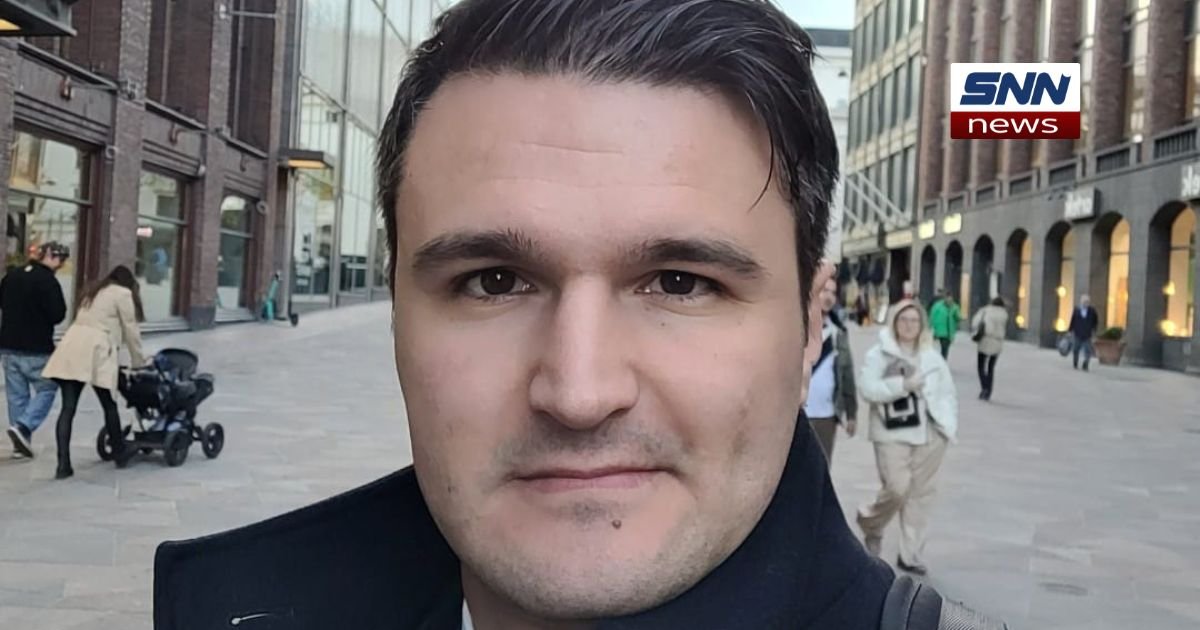
A Finnish anti-war politician has warned that Finnish is facing a delicate and risky period as political tensions with Russia continue to affect the country’s economy, employment, and security outlook. Speaking to Scandinavian News Finland,
Armando Mema, a vocal advocate for peace, said current policies have weakened Finland’s economic stability and increased militarization, while diplomatic channels with Russia remain largely closed.
Mema argued that Finnish Anti-War political leadership has taken decisions that have significantly damaged relations with its eastern neighbor, with long-term consequences for ordinary citizens.
He stressed that while security concerns are real, the lack of dialogue and normalization efforts could deepen economic hardship and social uncertainty.
Broken Relations and Economic Consequences
Finland and Russia have historically shared strong economic and trade ties, particularly in energy, tourism, logistics, and cross-border commerce. However, following the deterioration of diplomatic relations, much of that cooperation has been suspended or ended.
According to Mema, the economic fallout is becoming increasingly visible. He pointed to rising unemployment and slowing growth as signs that the current approach is placing strain on Finland’s economy.
“Trade routes have been disrupted, businesses have lost markets, and thousands of workers are paying the price,” Mema said. “This is not an abstract geopolitical issue. It directly affects families, jobs, and livelihoods.”
While official statistics vary across sectors, Finland has faced economic challenges in recent years, including inflationary pressure, reduced exports, and uncertainty in key industries.
Critics of the current foreign policy approach argue that these issues have been intensified by the collapse of relations with Russia.
Concerns Over Unemployment and Social Impact
Mema also highlighted unemployment as a growing concern, particularly among industrial and logistics workers who were previously connected to cross-border trade. He warned that prolonged economic pressure could widen inequality and reduce public confidence in political institutions.
Social policy experts note that economic instability often leads to broader social consequences, including reduced public spending capacity and increased pressure on welfare systems. Mema said these risks are not being discussed openly enough in public debate.
“People are being told this is the cost of security, but they are not being given a clear picture of the long-term social impact,” he added.
Rising Militarization and Security Fears
Beyond economic concerns, Mema expressed alarm over what he described as increasing militarization in Finnish Anti-War political discourse. Since the regional security environment changed dramatically in recent years, defense spending and military cooperation have expanded.
While many policymakers argue that stronger defense measures are necessary, Mema believes the balance between security and diplomacy has been lost. He warned that excessive focus on military solutions could increase regional tensions rather than reduce them.
“The risk is that Finland becomes drawn deeper into confrontation instead of acting as a stabilizing force,” he said, adding that comparisons to Ukraine, while sensitive, should serve as a warning rather than a justification for escalation.
Calls for Peace and Dialogue
Mema said he is among a small number of politicians openly calling for renewed dialogue and normalization of relations where possible. He emphasized that advocating for peace does not mean ignoring security risks, but rather addressing them through diplomacy alongside defense.
He urged Finnish leaders to consider confidence-building measures, diplomatic engagement, and multilateral dialogue aimed at reducing tensions in Northern Europe.
“History shows that isolation and confrontation come at a high cost,” Mema said. “Pursuing dialogue during challenging periods should be seen as responsible leadership, not a sign of weakness.”
Political Debate Inside Finnish
The issue has sparked debate within Finnish Anti-War political landscape. Supporters of the current approach argue that firm policies are necessary to safeguard national sovereignty and align Finland with its European and transatlantic partners.
However, voices like Mema’s reflect a segment of public opinion concerned about economic resilience, social stability, and the long-term consequences of sustained confrontation. Analysts note that as economic pressures grow, discussions around foreign policy and national priorities may intensify.
Public Relevance and the Road Ahead
For many Finns, the debate goes beyond geopolitics. It touches daily life through rising costs, job security, and concerns about regional stability. Experts say Finland now faces the challenge of balancing security commitments with economic sustainability and social cohesion.
Mema concluded by calling for a broader national conversation that includes economic realities and peace-oriented perspectives.
“Finland’s future should not be shaped by fear alone,” he said. “It should be shaped by careful judgment, dialogue, and a commitment to long-term stability.”
“The Finnish Anti-War position reflects a growing debate within Finland over diplomacy, security, and regional stability.”
About The Author