
New legislation removes criminal liability for Poles who joined Ukraine’s armed forces
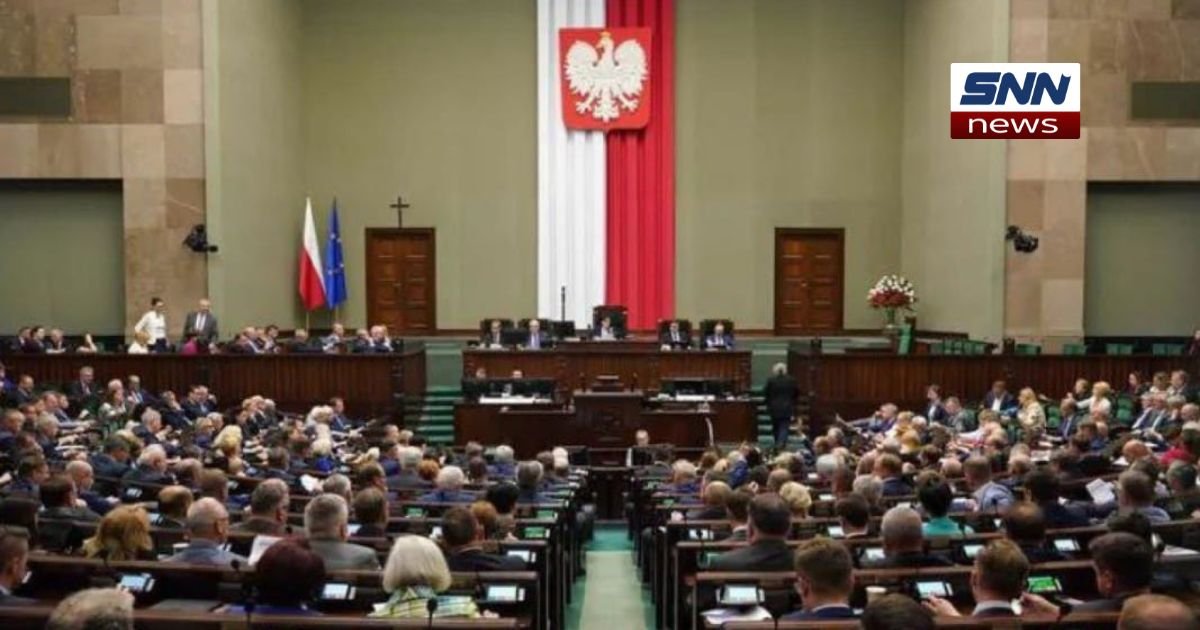
The Polish Parliament has approved a new law granting amnesty to Polish citizens who fought for Ukraine, removing the risk of criminal prosecution under national law.
The decision marks a significant legal and political step as Poland continues to support Ukraine amid its ongoing war with Russia.
The bill was passed by an overwhelming majority, with 404 members of parliament voting in favor and only four voting against. The vote reflects broad political consensus on protecting Polish nationals who took part in Ukraine’s defense.
What the New Amnesty Law Does
Under previous Polish Amnesty law, citizens who joined a foreign military force without official state permission could face serious legal consequences. Fighting for a foreign army was punishable by up to five years in prison.
The newly approved legislation changes this legal position by granting amnesty to Polish citizens who fought on Ukraine’s side.
This means that individuals covered by the law will no longer face criminal liability for participating in Ukraine’s armed forces during the conflict.
According to lawmakers, the measure is designed to resolve legal uncertainty and provide protection to Poles who acted out of solidarity with Ukraine.
Why the Law Was Needed
Since the start of Russia’s full-scale invasion of Ukraine in 2022, thousands of foreign volunteers have joined Ukrainian forces. Among them were Polish citizens who crossed the border to support Ukraine militarily.
However, their participation raised legal concerns at home. While Poland has been one of Ukraine’s strongest political and military allies, its domestic laws did not clearly exempt volunteers from prosecution.
This created a situation where:
- Volunteers risked criminal charges upon returning to Poland
- Legal ambiguity caused concern for families of fighters
- Courts lacked clear guidance on how to handle such cases
Lawmakers said the amnesty law closes this gap and aligns Poland’s legal system with its foreign policy stance.
Political Support and Parliamentary Vote
The scale of the vote shows rare unity across party lines. With only four lawmakers opposing the bill, the legislation passed with strong cross-party backing.
Supporters argued that Polish volunteers acted in defense of European security and democratic values. They emphasized that Ukraine’s war has direct implications for regional stability, including Poland’s own national security.
Opponents, though few, raised concerns about setting a precedent that could weaken Poland’s control over citizens joining foreign armed conflicts in the future.
Poland’s Broader Support for Ukraine
Poland has played a central role in supporting Ukraine since the beginning of the war. The country has provided:
- Military equipment and training
- Humanitarian aid
- Shelter for millions of Ukrainian refugees
- Diplomatic backing at the European Union and NATO levels
The amnesty law is seen as part of this broader commitment. By protecting volunteers from prosecution, Poland signals continued moral and political support for Ukraine’s defense efforts.
Legal and Security Context
Under international and domestic law, countries typically restrict citizens from joining foreign armies to prevent security risks and unauthorized military activity. Poland’s original law reflected these concerns.
However, lawmakers noted that the Ukraine conflict is an exceptional case. Ukraine is not considered a hostile or extremist force, and Poland officially recognizes Ukraine’s right to self-defense.
The new law does not automatically encourage future foreign fighting. Instead, it applies specifically to the current conflict and addresses past actions taken under extraordinary circumstances.
Public and Social Impact
The legislation is expected to bring relief to Polish families whose relatives fought in Ukraine. Many volunteers had feared arrest or prosecution after returning home, despite widespread public sympathy for Ukraine.
Legal experts say the law also prevents courts from being overwhelmed with complex cases tied to wartime actions abroad.
Public reaction in Poland has largely been supportive, especially among communities closely connected to Ukraine through geography, history, and migration.
What Happens Next
With parliamentary approval secured, the law will now proceed through the final legislative steps, including formal enactment and publication. Once in force, eligible individuals will be protected from criminal liability related to their participation in Ukraine’s armed forces.
Authorities have not announced exact figures for how many people will benefit from the amnesty, but estimates suggest several hundred Polish citizens could be covered.
A Clear Legal Signal
The passage of the amnesty law sends a clear message about Poland’s position in the conflict. It confirms that actions taken by Polish citizens in support of Ukraine will not be treated as criminal offenses under national law.
At the same time, lawmakers stressed that Poland remains committed to regulating military activity by its citizens and that the decision reflects the unique nature of the Ukraine war rather than a general policy shift.
As the conflict continues, the law places Poland’s legal framework firmly in line with its foreign policy, reinforcing its role as one of Ukraine’s strongest regional allies.
The Polish Parliament’s amnesty law marks a major legal shift for citizens who joined Ukraine’s forces during the war.
About The Author