

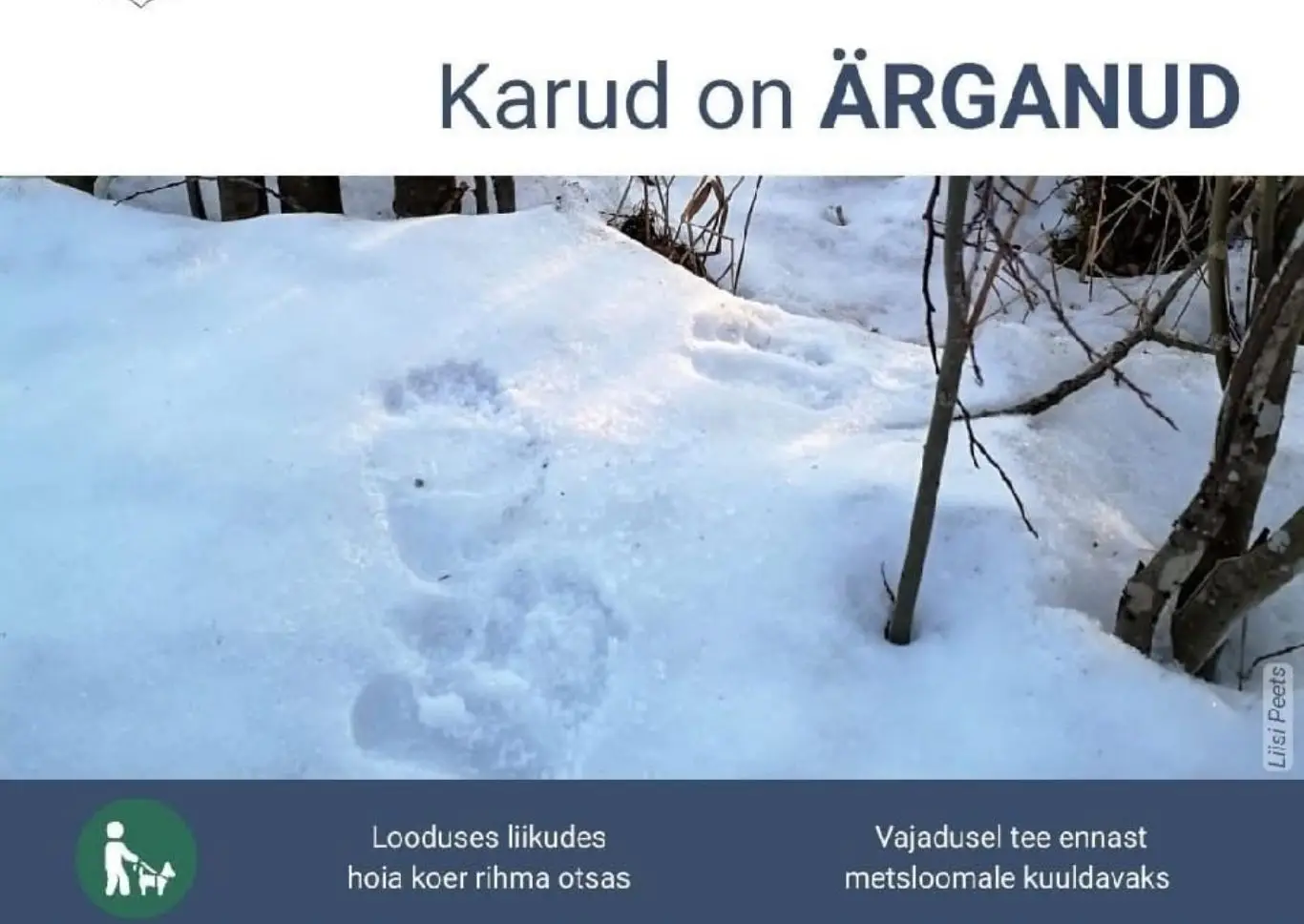
Authorities in Estonia have officially announced that bears across the country have started waking up from their .Winter Hibernation
Wildlife officials are advising residents, hikers, and pet owners to remain cautious while spending time in forested areas.
People are particularly urged to keep their dogs on a leash and slowly move away if they unexpectedly encounter a bear.
Estonia is home to one of Europe’s largest brown bear populations, with an estimated 1,000 bears living in the wild.
As spring approaches and bears begin leaving their dens in search of food, the chances of human-bear encounters increase.
Bears Emerging from Hibernation Across Estonia
Every winter, brown bears in Estonia enter a period of hibernation, usually beginning in late autumn when temperatures drop and food becomes scarce.
During this time, bears remain in dens and significantly slow their metabolism to conserve energy.
With warmer temperatures arriving in early spring, wildlife authorities confirm that bears are now gradually emerging from their winter shelters.
The Estonian Environment Board has issued a public notice warning that bears may now appear in forests, rural areas, and occasionally near human settlements while searching for food after months of inactivity.
After waking from hibernation, bears are typically hungry and actively roam large areas to find food sources such as:
- Berries and plants
- Insects and larvae
- Small animals
- Carcasses left from winter
- Hibernation
Because food is still limited early in the season, bears may travel farther than usual.
Safety Advice for Residents and Outdoor Visitors
Wildlife experts emphasize that bear encounters remain rare, but people should still take precautions when walking in nature.
Authorities recommend several safety measures:
- Keep dogs on a leash when walking in forests or rural areas.
- Avoid walking pets at dawn or dusk, when wildlife is more active.
- Make noise while hiking to alert animals of your presence.
- Do not approach or attempt to photograph bears at close range.
- If a bear is spotted, stay calm and slowly back away.
- Hibernation
Running from a bear is strongly discouraged because sudden movement may trigger a chase response.
Experts say most bears avoid humans and will move away if they hear people approaching.
Estonia’s Large Brown Bear Population
Estonia is known for having one of the strongest brown bear populations in Europe. According to wildlife monitoring data, approximately 1,000 brown bears live in the country’s forests.
The majority of these animals are found in:
- Northeastern Estonia
- Central forest regions
- Areas with dense woodland and limited human activity
- Hibernation
Conservation efforts and sustainable wildlife management policies have helped the bear population remain stable over the years.
Estonia’s extensive forests provide ideal habitat for bears, offering shelter, food sources, and relatively low human disturbance compared to many other parts of Europe.
Why Spring Is the Most Sensitive Period
Wildlife specialists say early spring is a critical time for bears because they must quickly rebuild energy after months without food.
During this period, bears are:
- Searching actively for food
- Traveling across larger territories
- More likely to appear near villages or farmland
- Hibernation
Female bears may also be accompanied by young cubs, making them more protective and cautious around potential threats.
This is why authorities emphasize avoiding close contact and giving animals plenty of space if encountered.
Human–Wildlife Coexistence
Estonia has long promoted a balanced approach to human–wildlife coexistence, particularly with large carnivores such as bears, wolves, and lynx.
Education campaigns and seasonal advisories help residents understand how to behave safely in wildlife habitats.
Experts note that conflicts between humans and bears remain relatively uncommon in Estonia compared with other regions where urban expansion overlaps heavily with wildlife territories.
However, awareness remains essential during the months when animals are most active.
Public Awareness and Seasonal Alerts
The current advisory serves as a reminder that nature becomes more active as spring arrives. Forestry workers, hikers, hunters, and rural residents are the groups most likely to encounter wildlife during this period.
Officials encourage anyone who sees a bear behaving unusually or entering populated areas to report the sighting to local environmental authorities.
Monitoring these reports helps wildlife experts track bear movements and respond quickly if necessary.
A Natural Sign of Spring
While the advisory highlights safety precautions, the awakening of bears is also seen as a natural sign that winter is ending in Estonia’s forests.
For wildlife researchers and conservationists, this seasonal event marks the return of ecological activity after the long northern winter.
As bears begin roaming once again, authorities hope that residents and visitors will respect wildlife boundaries and enjoy nature responsibly.
By staying aware and following basic safety guidelines, people can safely share Estonia’s forests with one of Europe’s most iconic wild animals.
For more global environmental updates and wildlife reports, read our related coverage
About The Author