

By Riffat Kausar,
SNN News Finland
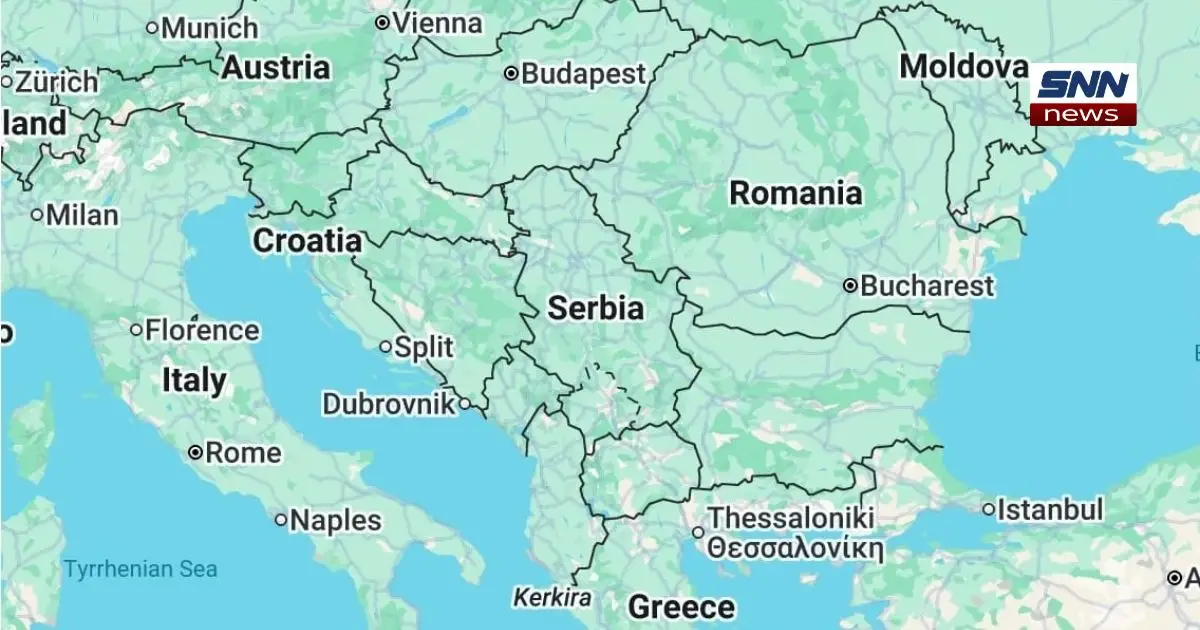
European intelligence agencies have identified Serbia as a central hub for Russian intelligence operations aimed at destabilizing Europe, according to investigative reports by Le Monde.
Evidence suggests that Russian-backed networks have been orchestrating a series of politically and socially disruptive actions across multiple European countries.
Russian Influence in Serbia: A Growing Concern
By 2025, Serbia had reportedly become the main operational base for Russian intelligence in Europe. Investigators say that this strategic positioning allowed Moscow to coordinate covert operations that targeted both societal cohesion and political stability in key European nations.
In one high-profile case, three Serbian nationals were convicted in France for acts of vandalism and intimidation in May 2025. The individuals were found guilty of:
- Throwing pig heads in front of several mosques in Paris
- Vandalizing the Holocaust Memorial
- Attacking three synagogues in the French capital
The French court determined that the group had received explicit instructions and financial backing from Russian intelligence services to carry out these attacks.
Expanding Operations Across Europe
Beyond France, Russian-linked operatives reportedly staged additional provocative actions in other European cities. Some notable incidents include:
- April 2025: Posting stickers in Paris urging the commemoration of the Armenian genocide, a move intended to inflame ethnic and historical tensions.
- July 2025: Placing plastic skeletons in front of the Brandenburg Gate in Berlin, symbolically targeting Germany’s cultural landmarks and generating public alarm.
Experts analyzing these actions note that the overarching objective was to stir religious and ethnic discord, destabilize political environments, and create public unrest in countries with strategic importance to the European Union.
Recruitment and Training Networks
The reach of these operations extended beyond immediate sabotage. In September 2025, Moldovan authorities reported the arrest of over 70 individuals—citizens of Moldova and Romania—who had been receiving paramilitary and riot training in Serbia.
Officials stated that these recruits were being prepared to participate in orchestrated disturbances during upcoming parliamentary elections.
Such preparations highlight the methodical approach employed by Russian intelligence to exploit societal divisions and influence political outcomes across Europe.
International Reactions and Security Implications
European governments have expressed deep concern over Serbia’s role as a staging ground for foreign interference. Analysts emphasize that while Serbia maintains diplomatic and trade ties with the EU, its position as a hub for covert operations complicates regional security dynamics.
- The EU has called for increased intelligence-sharing and cross-border cooperation to mitigate risks posed by organized sabotage networks.
- France and Germany have strengthened protective measures around religious sites and major public spaces following the spate of attacks.
- Security experts warn that the pattern of provocations could escalate if left unmonitored, potentially affecting other EU member states.
Historical and Geopolitical Context
Serbia’s strategic location in the Balkans has long made it a focal point for geopolitical influence. Its historical ties with Russia, combined with limited domestic oversight over intelligence and paramilitary activities, have created opportunities for Moscow to extend its influence into Western Europe.
Analysts note that the incidents in France and Germany reflect a broader trend of hybrid warfare, where traditional diplomatic and military tools are complemented by covert operations designed to undermine social cohesion, manipulate public opinion, and destabilize political institutions.
Moving Forward: Strengthening European Security
The European Union and its member states are increasingly prioritizing counterintelligence operations aimed at detecting and disrupting foreign-backed sabotage networks. Measures include:
- Enhanced monitoring of online propaganda and extremist content linked to foreign intelligence agencies
- Coordination between law enforcement agencies across borders to prevent pre-election violence
- Public awareness campaigns to reduce the societal impact of politically motivated provocations
While Serbia officially denies harboring Russian operatives, the documented incidents underscore the urgent need for comprehensive intelligence collaboration across Europe.
Experts argue that understanding the networks, funding, and operational tactics of foreign sabotage efforts is critical to safeguarding democratic institutions and public safety.
“Read more about European security threats and Russian intelligence activities here.”
About The Author