
By Shumaila Aslam
Scandinavian News Finland,
Bureau Chief Pakistan
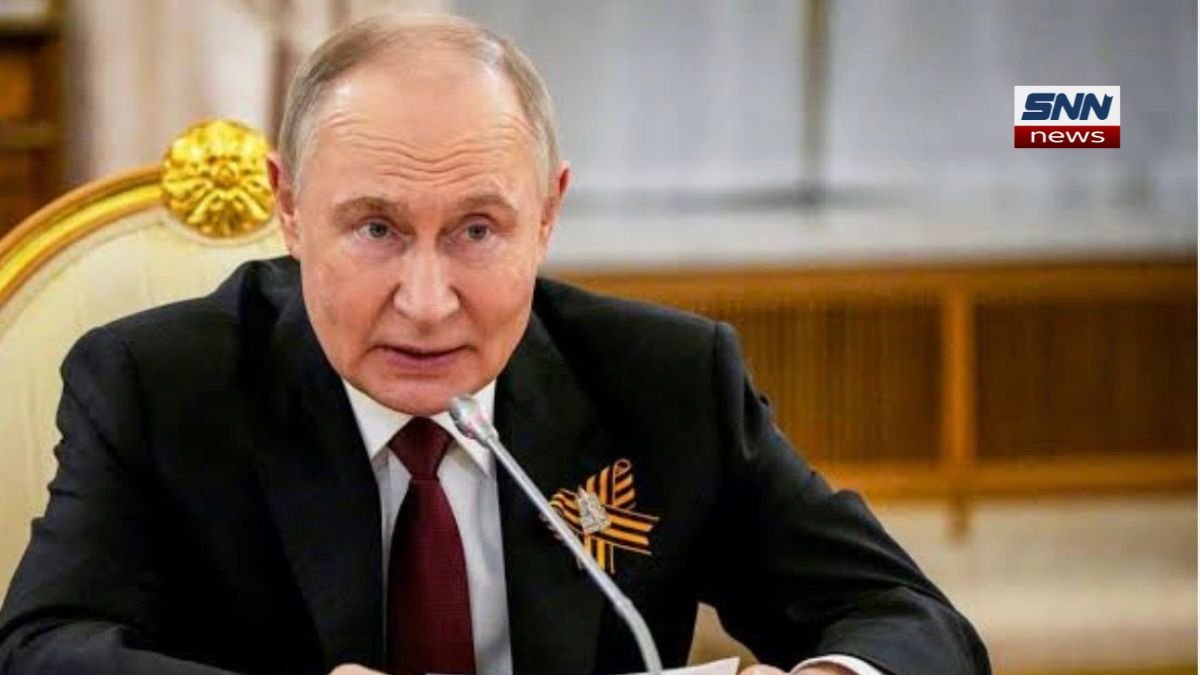
Russia’s President Vladimir Putin Popularity is facing an unprecedented decline in public support, with his approval ratings falling to their lowest level in seven years.
According to the latest survey conducted by the Public Opinion Foundation (FOM), a state-linked research organization that traditionally aligns closely with Kremlin interests, such a sharp drop in popularity has not been recorded since at least 2019.
Analysts attribute this decline to widespread digital disruptions, including Telegram restrictions, VPN blocks, and connectivity issues that have directly affected the daily lives of Russian citizens.
H1: Public Dissatisfaction Grows Amid Online Restrictions
Recent developments suggest that restrictions on popular communication platforms have significantly frustrated the Russian population.
The Russian government’s efforts to limit access to Telegram, a messaging app widely used for news and communication, combined with widespread VPN blocks, have left millions struggling to maintain regular online activity.
For many Russians, Telegram is not just a messaging platform but a critical source of news, social interaction, and information sharing.
The restrictions have reportedly caused delays in communications, disrupted business operations, and hindered access to essential services.
H2: Telegram and VPN Blocks Spark Public Outcry
The Federal Service for Supervision of Communications, Information Technology and Mass Media (Roskomnadzor) has intensified its crackdown on digital tools that circumvent state control. VPNs, commonly used to bypass censorship, are now increasingly inaccessible, creating widespread inconvenience.
- Daily disruption: Users report frequent outages and slow connectivity, affecting both work and personal life.
- Economic impact: Small businesses that rely on online platforms face delays in transactions and communications.
- Information bottleneck: With major news channels restricted, Russians rely on limited state-approved sources, leading to frustration and skepticism.
- Popularity
Experts suggest that these digital restrictions have contributed directly to the erosion of public trust in the Kremlin, as citizens feel increasingly disconnected from reliable information channels.
H2: Historical Context of Putin’s Popularity
Vladimir Putin has maintained high approval ratings for most of his tenure, with periods of decline usually tied to economic crises, political scandals, or international tensions. However, the recent drop appears to be unprecedented in scope and speed.
- 2019 baseline: The Public Opinion Foundation has reported that Putin’s ratings remained relatively stable above 60–65% during the previous seven years.
- Current levels: The latest figures show approval ratings dipping to levels not seen since major political upheavals earlier in the decade.
- Comparative perspective: Independent polling organizations outside Russia have also noted declining support, suggesting a broader trend of dissatisfaction beyond state-influenced surveys.
- Popularity
Political analysts argue that connectivity issues and social media restrictions have a tangible effect on public sentiment, as modern citizens increasingly rely on digital platforms for social, economic, and political engagement.
H2: Implications for Russian Society and Governance
The decline in public approval has potential consequences for both domestic policy and international perception of Russia’s leadership.
- Public morale: Citizens experiencing repeated online disruptions report growing frustration, which may translate into reduced trust in government institutions.
- Economic ramifications: Businesses dependent on uninterrupted internet access face productivity challenges, potentially affecting economic stability.
- Political legitimacy: A sustained decline in approval ratings could weaken Putin’s domestic standing, especially among younger, digitally active populations.
- Popularity
Observers note that the Kremlin’s strategy of controlling information may have backfired, as attempts to restrict online communication have inadvertently highlighted citizens’ dependence on digital platforms and increased scrutiny of state policies.
H3: Social Media as a Political Barometer
Telegram and other social media services have long served as informal barometers of public opinion in Russia. Posts, comments, and user discussions often reflect dissatisfaction before it appears in formal polling.
- Citizen feedback: Complaints about slow internet, blocked content, and restricted communication channels have surged on social media.
- Viral trends: Information about the government’s restrictions spreads rapidly through alternative channels, magnifying public awareness of policy impacts.
- Engagement patterns: Analysts observe that users increasingly turn to foreign platforms and encrypted apps to bypass censorship, highlighting a growing divide between state policy and citizen behavior.
- Popularity
H3: Broader Geopolitical Context
Russia’s internal digital restrictions coincide with a period of heightened geopolitical tension, international sanctions, and economic challenges.
Experts suggest that these factors, combined with domestic frustration over connectivity issues, are accelerating public disillusionment with leadership.
- Sanctions and isolation: Ongoing international sanctions have affected the economy, amplifying domestic grievances.
- Information control: Government attempts to control narratives around foreign policy and domestic governance meet resistance from tech-savvy citizens.
- Generational divide: Younger Russians, accustomed to digital freedom, are particularly vocal in criticizing restrictions and expressing dissatisfaction.
- Popularity
H2: Looking Ahead
The Kremlin faces a complex challenge in maintaining public trust amid digital restrictions and growing dissatisfaction.
Analysts suggest that failure to address connectivity problems and the daily inconveniences faced by citizens could further erode approval ratings, potentially impacting political stability.
While it remains uncertain how the government will respond, experts emphasize that reliable communication channels and transparent information access are critical for sustaining public confidence.
Any long-term mismanagement of digital infrastructure could exacerbate discontent, particularly among urban and digitally connected populations.
In conclusion, Vladimir Putin’s recent drop in popularity reflects more than a temporary fluctuation in public opinion.
It underscores the profound impact of digital connectivity on modern governance and the risks associated with restricting access to critical communication tools.
As Russia navigates these challenges, the intersection of technology, policy, and citizen sentiment will play a decisive role in shaping the country’s political landscape.
Putin’s popularity in Russia falls to a seven-year low amid Telegram and VPN restrictions, reflecting growing public frustration.
About The Author