

By Abida Kahlun
Bureau Chief Helsinki
Snn News Finland
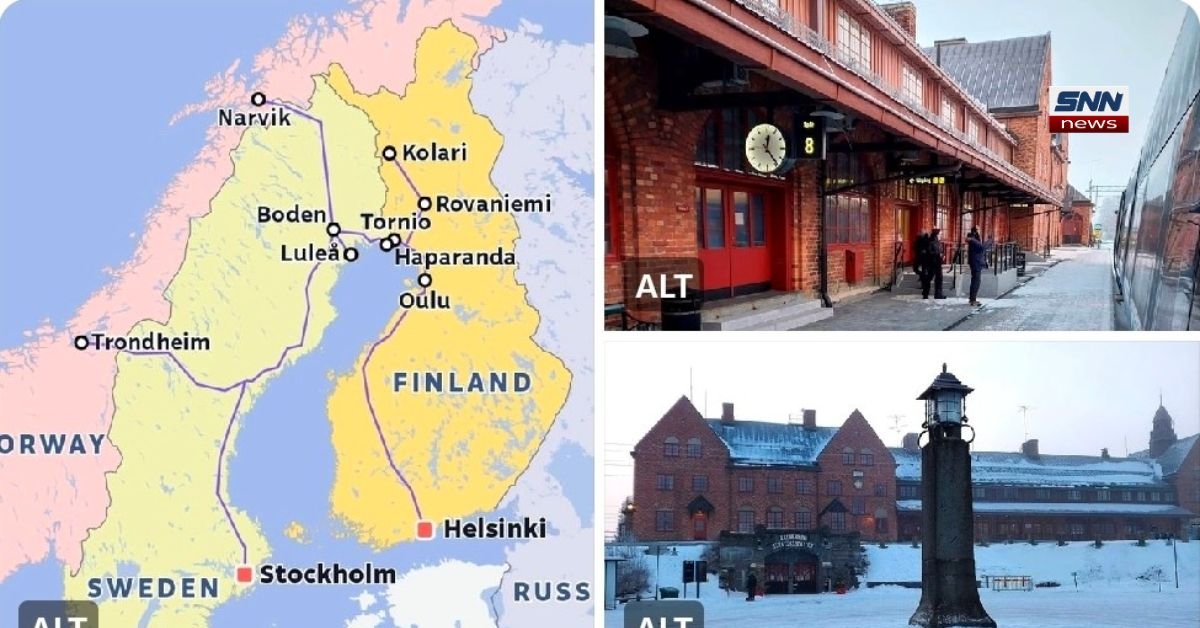
A long-awaited cross-border train service between Finland and Sweden is expected to begin operations this summer, marking a major step forward in Nordic transport connectivity.
The new rail link is designed to connect continental Europe with Finnish Lapland while also improving travel between the capitals of Finland and Sweden.
The project has faced delays for years, but officials now say the train should start rolling during the summer season. Once launched, the route is expected to strengthen tourism, business travel, and regional mobility across Northern Europe.
New Rail Connection Between Finland and Sweden
The upcoming service will create a smoother rail journey between Helsinki and Stockholm, while also offering improved access to northern regions including Finnish Lapland.
For many travelers, this route could become an attractive alternative to flights and long road journeys.
The railway connection is particularly important because direct rail travel between the two neighboring countries has historically been limited by infrastructure differences, border logistics, and scheduling challenges.
With this new development, passengers may soon enjoy a more connected Nordic rail network.
Why the Cross-Border Train Matters
The Finland-Sweden train service is seen as an important transport milestone for several reasons:
1. Better Access to Lapland
Finnish Lapland remains one of Europe’s most popular tourism destinations, especially during winter. Travelers visit the region for:
- Northern Lights tourism
- Snow hotels and winter resorts
- Reindeer safaris
- Christmas tourism
- Nature and wilderness experiences
- Cross-Border
The new train could help more tourists reach Lapland through rail connections from Europe.
2. Stronger Nordic Cooperation
Finland and Sweden maintain close economic and political ties. A modern rail link supports cross-border movement, trade opportunities, and people-to-people contact.
3. Sustainable Travel Option
Rail travel is often considered a lower-emission alternative compared with short-haul air travel. As European countries work toward climate goals, expanding international train routes has become a growing priority.
Connecting Continental Europe to Northern Finland
One of the most significant parts of the project is its ability to link continental Europe with Finland’s northernmost regions.
Travelers from countries such as Germany, Denmark, and other parts of Europe may use connecting rail services to continue northward into Finland.
This growing trend of long-distance train travel has gained popularity in recent years as passengers seek comfortable and environmentally friendly transport options.
The route may also help boost demand for overnight trains and multi-country rail journeys across Europe.
Helsinki and Stockholm Travel Could Become Easier
The capitals of Finland and Sweden are major economic centers in the Nordic region. Although air and ferry travel remain common between the two cities, rail integration adds another travel option for residents, tourists, and business passengers.
Possible benefits include:
- More flexible travel planning
- Improved regional tourism packages
- Easier movement for workers and students
- Stronger transport resilience during disruptions
- Cross-Border
If schedules are coordinated efficiently, travelers could combine train and ferry services for smoother cross-border movement.
Why the Project Was Delayed
The cross-border train has been discussed for years, but several issues slowed progress. These reportedly included:
Infrastructure Compatibility
Rail systems between countries often use different standards, signaling systems, or operating procedures. These can require upgrades before services begin.
Operational Planning
International train services need cooperation between multiple railway operators, regulators, and governments.
Demand and Cost Questions
Large transport projects often require careful study of passenger demand, long-term funding, and operating costs.
Now, with renewed focus on sustainable transport and regional connectivity, momentum appears to have returned.
Impact on Tourism and Local Economies
Tourism businesses in northern Finland and Sweden may benefit if passenger numbers rise. Hotels, restaurants, tour operators, and local transport services often gain from improved access.
Summer tourism may also expand, as Lapland is no longer only a winter destination. Visitors increasingly travel north for hiking, lakes, wildlife, and midnight sun experiences.
Local communities near railway stations may also see increased activity from domestic and international travelers.
Europe’s Growing Interest in Rail Travel
Across Europe, governments and travelers are showing greater interest in rail transport. Several countries are investing in:
- High-speed rail
- Night train services
- Cross-border routes
- Greener mobility systems
- Regional transport upgrades
- Cross-Border
The Finland-Sweden service fits into this wider European trend of making rail travel more practical and attractive.
What Passengers Can Expect
While full schedules, ticket prices, and operating details are expected closer to launch, travelers will likely watch for:
Key Information
- Official launch date
- Route stops and connections
- Ticket booking availability
- Travel time estimates
- Seasonal frequency
- Luggage and onboard services
- Cross-Border
Transport authorities are expected to provide further updates before operations begin.
Strategic Importance for the Nordic Region
The rail connection carries significance beyond tourism. It also supports broader regional resilience by diversifying transport links between Nordic countries.
In times of air disruption, weather challenges, or shipping delays, rail can provide an additional dependable transport option.
For Finland and Sweden, stronger infrastructure links may also help future economic cooperation and logistics planning.
Looking Ahead
If the summer launch proceeds as planned, the long-delayed Finland-Sweden cross-border train could become one of the most notable Nordic transport developments of the year.
By linking continental Europe with Finnish Lapland and improving connections between Helsinki and Stockholm, the service has potential to reshape travel across the north.
For passengers seeking scenic, practical, and sustainable travel, the new route may soon offer an exciting new way to move across borders.
Tourism growth in Finnish Lapland
About The Author