
By Hammad Kahlun
Scandinavian news Finland
Slovenia’s New Parliamentary Speaker Raises Debate on NATO Future
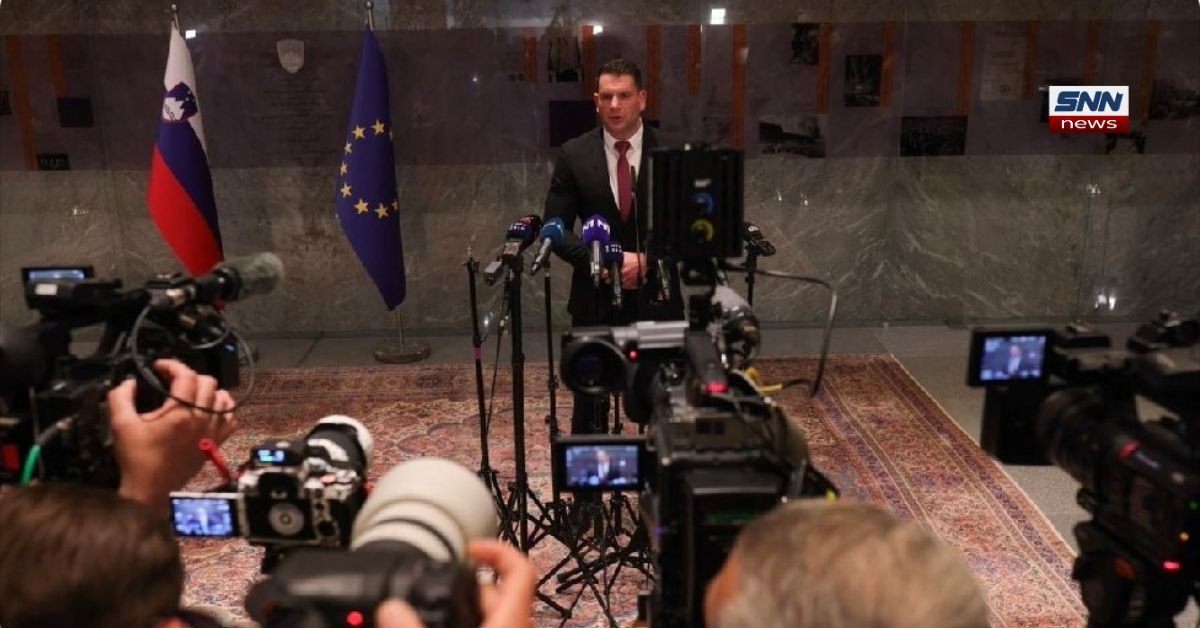
Slovenia NATO Facing has entered a new phase of political debate after its newly appointed parliamentary speaker, Zoran Stevanović, suggested the possibility of holding a referendum on the country’s membership in NATO.
The proposal has triggered discussion across Europe about unity within the alliance and the direction of Slovenia’s foreign policy.
Stevanović stated that Slovenia should adopt a more independent approach in international affairs and avoid becoming involved in foreign conflicts.
His remarks come at a time when NATO Facing is already under pressure due to ongoing global security challenges, including the Russia–Ukraine war.
Although the idea of leaving NATO Facing has been raised publicly, no formal steps have been taken, and any actual withdrawal would require a complex and lengthy legal and political process.
What Zoran Stevanović Said About NATO Membership
In recent statements, Stevanović expressed that Slovenia should reconsider its role in military alliances. He proposed that citizens should have the right to decide through a referendum whether the country remains in NATO Facing.
He also announced plans to visit Moscow, stressing that his position should not be interpreted as being “pro-Russian,” but rather as focused on national sovereignty and Slovenia’s independent decision-making.
Key points from his remarks include:
- Proposal for a public referendum on NATO membership
- Call for a more independent foreign policy
- Opposition to involvement in foreign military conflicts
- Planned diplomatic engagement with Moscow
- NATO Facing
Despite these statements, Slovenia’s government has not confirmed any official process to initiate a referendum.
Slovenia’s Position in NATO
Slovenia joined NATO in 2004 as part of the alliance’s eastern expansion following the Cold War. Membership has been seen as a key pillar of the country’s security strategy, especially in coordination with European Union defense structures.
As a NATO member, Slovenia benefits from collective defense under Article 5, which states that an attack on one member is considered an attack on all.
Why NATO Membership Matters for Slovenia
- Security protection under collective defense
- Access to joint military training and intelligence
- Participation in NATO defense planning
- Political cooperation with Western allies
- Strategic deterrence against external threats
- NATO Facing
Leaving NATO would therefore represent a major shift in Slovenia’s defense and foreign policy direction.
Legal and Political Barriers to Leaving NATO
Even if a referendum were approved, withdrawing from NATO is not a simple process. It would require coordinated political approval and international procedures.
Experts note that:
- NATO withdrawal would require formal notice to all member states
- The process would likely take at least one year after notification
- Domestic political approval would be necessary
- Parliamentary and constitutional procedures could be involved
- NATO Facing
In addition, public opinion in many NATO countries remains strongly in favor of membership, making political exit difficult.
European Security Context and Rising Debates
The discussion in Slovenia comes at a time when European security is already under strain due to the ongoing war in Ukraine. NATO has expanded military deployments in Eastern Europe and increased defense spending among member states.
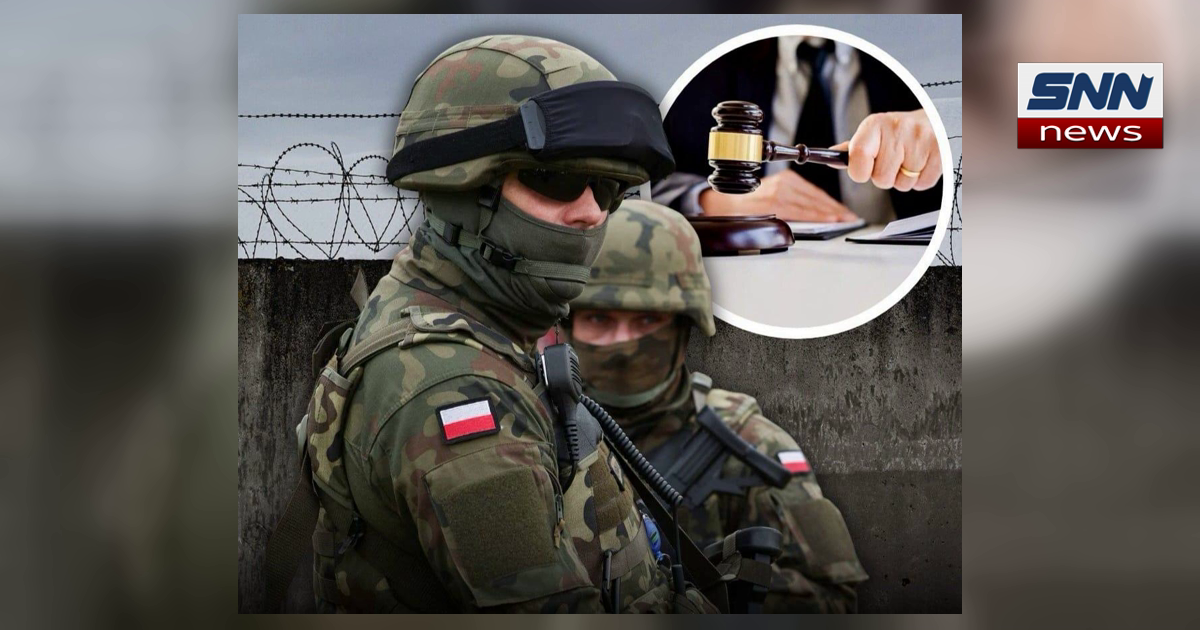
Countries such as Germany, the United Kingdom, and Poland have strengthened their military support for Ukraine, further increasing the alliance’s strategic role.
At the same time, internal debates about defense spending and foreign policy commitments have emerged in several European countries.
Trump’s Previous Comments on NATO Add to Uncertainty
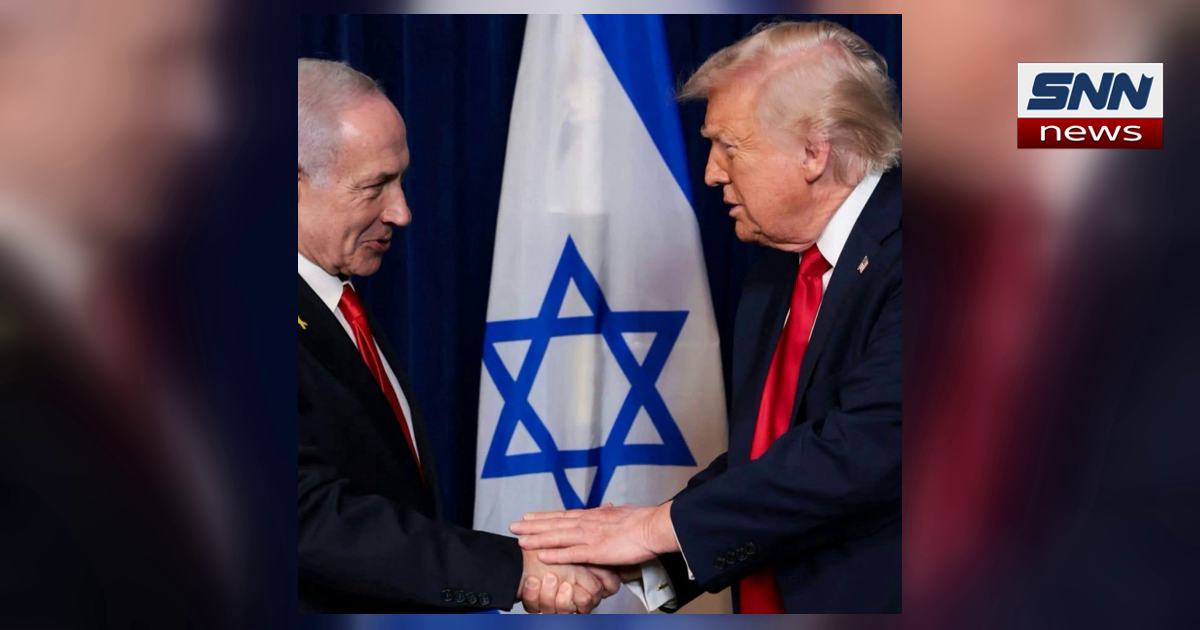
The debate has also been influenced by earlier comments from former U.S. President Donald Trump, who suggested that the United States might reconsider its role in NATO if allies do not meet defense spending commitments.
Although the U.S. remains NATO’s most powerful member, such statements have raised concerns about long-term unity within the alliance.
Analysts say these political signals, combined with internal European debates, contribute to uncertainty about NATO’s future direction.
Reactions and Political Uncertainty in Slovenia
Within Slovenia, reactions to the proposal are mixed. Some political voices support the idea of a referendum, arguing it strengthens democratic choice. Others warn that such discussions could weaken national security and strain relations with key allies.
Opponents of the proposal argue:
- NATO membership ensures national security stability
- Withdrawal could isolate Slovenia diplomatically
- Military cooperation would become more limited
- Economic and political relations with allies may be affected
- NATO Facing
Supporters, however, believe that foreign policy decisions should be directly influenced by citizens through democratic voting.
Broader Impact on NATO Unity
Although Slovenia is a smaller NATO member, the discussion reflects broader questions about unity within the alliance. NATO depends on collective agreement among its members, and any internal disagreement can raise concerns about long-term cohesion.
Security analysts note that:
- NATO unity is essential for deterrence strategy
- Internal political debates are increasingly visible in Europe
- Public opinion on military alliances is becoming more divided
- Geopolitical tensions are influencing domestic politics
- NATO Facing
What Happens Next
For now, Slovenia has not taken formal steps toward leaving NATO. The proposal remains at the discussion stage, and no official referendum process has been launched.
However, if the debate continues, it could lead to:
- Parliamentary discussions on foreign policy direction
- Public opinion polling on NATO membership
- Political negotiations within Slovenia’s government
- Increased attention from NATO leadership
- NATO Facing
European allies are expected to monitor the situation closely, especially as security conditions in the region remain sensitive.
Conclusion: A Debate Reflecting Wider European Tensions
The suggestion of a NATO referendum in Slovenia highlights ongoing debates in Europe about military alliances, national sovereignty, and security strategy.
While no immediate exit is planned, the discussion reflects broader political and public divisions across the continent.
As NATO continues to navigate global challenges, including tensions with Russia and internal political differences among member states, the unity of the alliance remains a key factor in European and global security stability.
Slovenia NATO referendum debate, NATO unity Europe tensions, Slovenia foreign policy news, Europe security updates, NATO membership discussion
About The Author