
By Shumaila Aslam
Scandinavian News Agency
Bureau Chief Pakistan
General Asim Munir Said to Continue Diplomatic Engagement Following Regional Meetings
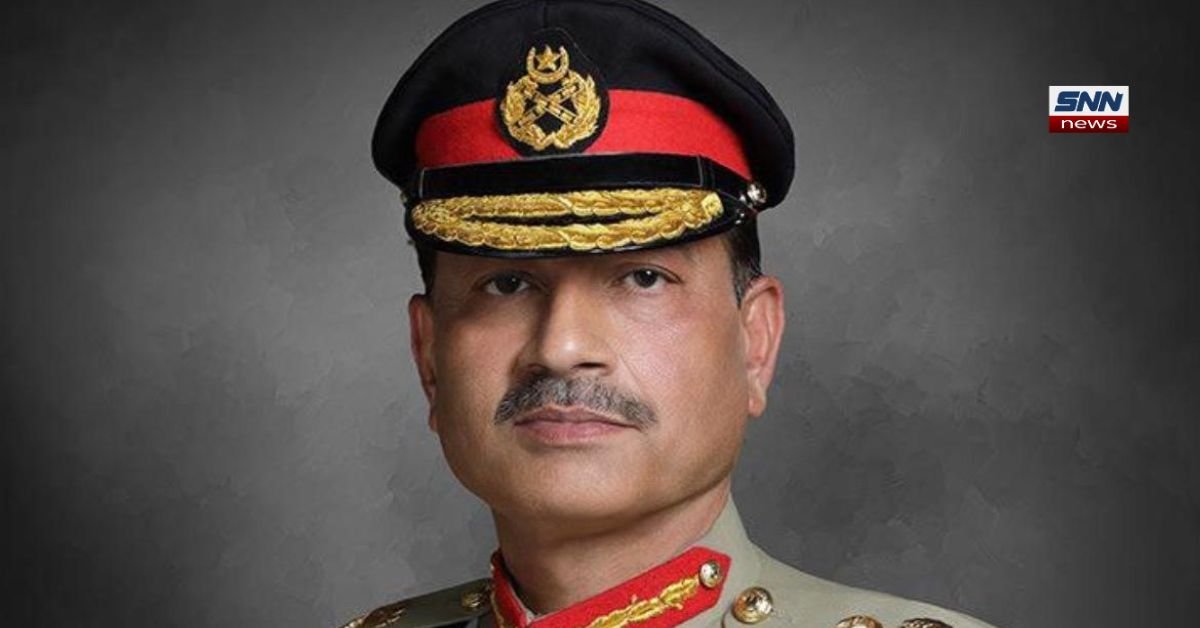
Pakistan Army Chief General Asim Munir is reportedly expected to travel to Washington tomorrow after returning from Tehran, according to emerging reports linked to regional diplomatic activity.
The reported visit comes at a sensitive time as tensions in the Middle East continue to shape global security discussions, especially involving the United States and Iran.
While no official public statement has yet confirmed the full agenda of the trip, the reported visit has sparked interest because it follows recent claims that Pakistan played a quiet diplomatic role in easing communication between Washington and Tehran.
The development is being closely watched by political observers, security analysts, and regional stakeholders due to Pakistan’s strategic ties with both the United States and neighboring Iran.
Why the Washington Visit Matters
If confirmed, the Washington trip would be significant for several reasons. Pakistan remains an important regional actor because of its location, military influence, and relationships with major powers.
General Asim Munir, who serves as Chief of Army Staff, holds one of the most influential positions in Pakistan’s national security structure. Meetings involving Pakistan’s military leadership often carry importance beyond bilateral defense ties.
Possible areas of discussion may include:
- Regional security and border stability
- US-Pakistan relations
- Middle East diplomacy
- Counterterrorism cooperation
- Iran-related developments
- Economic and strategic partnerships
- Munir
Diplomatic visits at this level often include discussions on both immediate crises and long-term strategic cooperation.
Tehran Visit Raises Diplomatic Questions
The reported Washington trip follows General Munir’s return from Tehran, where high-level contacts reportedly took place.
Pakistan shares a long border with Iran and has regularly engaged Tehran on trade, border management, migration, and security matters.
Because Pakistan maintains communication channels with Iran while also having historic defense ties with the United States, analysts often describe Islamabad as one of the few countries able to maintain dialogue with both sides.
This has fueled speculation that Pakistan may have quietly encouraged de-escalation during recent periods of tension.
Claims of US-Iran Mediation
Some reports claim that General Asim Munir personally helped coordinate communication efforts linked to a US-Iran truce or temporary reduction in tensions. However, these claims remain publicly unverified through official statements from Washington, Tehran, or Islamabad.
Still, diplomatic backchannel efforts are common during regional crises. Governments frequently rely on trusted intermediaries when direct public communication becomes politically difficult.
Countries that maintain working relations with both sides can sometimes help pass messages, reduce misunderstandings, and lower the risk of conflict.
Pakistan’s Traditional Role in Quiet Diplomacy
Pakistan has historically attempted to balance relations among competing regional and global powers. Over the years, Islamabad has engaged with:
- The United States on security and defense
- China on economic and strategic projects
- Gulf states on labor and investment ties
- Iran on border and regional cooperation
- Turkey on political and defense coordination
- Munir
Because of these multiple relationships, Pakistan occasionally finds itself in a position to facilitate dialogue.
General Asim Munir’s Growing Diplomatic Profile
Since taking office as Army Chief, General Asim Munir has been linked to several major diplomatic and strategic discussions involving national security, economic stability, and foreign relations.
Pakistan’s military leadership traditionally plays a visible role in strategic affairs, especially when issues involve defense cooperation, border threats, or urgent regional instability.
As a result, any overseas visit by the Army Chief often receives attention from both domestic and international media.
What Washington Could Focus On
If the visit takes place as reported, meetings in Washington may focus on several key issues.
Security Cooperation
The United States and Pakistan have a long history of military coordination, especially in areas involving regional stability and counterterrorism.
Iran Tensions
Washington closely monitors developments involving Iran. Pakistan’s communication links with Tehran may be considered useful during periods of uncertainty.
Afghanistan Situation
Instability in Afghanistan remains a shared concern for regional and global powers, including Pakistan and the US.
Economic Stability
Although military visits are security-focused, wider discussions may include economic confidence, investment climate, and strategic trade routes.
Public and Political Interest in Pakistan
The reported trip has generated public discussion inside Pakistan, where foreign policy developments are often viewed through the lens of national influence and international standing.
Supporters may see the visit as evidence that Pakistan remains relevant in global diplomacy. Critics may ask for greater transparency regarding the purpose and outcomes of high-level engagements.
As of now, no full official itinerary has been released.
Importance for the Region
Any diplomatic contact involving Pakistan, the United States, and Iran can have broader regional consequences. The Middle East and South Asia remain interconnected through energy markets, migration, trade routes, and security dynamics.
A reduction in tensions benefits many countries by helping stabilize oil prices, reduce military risks, and support economic planning.
Need for Official Confirmation
Despite widespread discussion, several claims surrounding mediation and ceasefire coordination remain based on unofficial reporting. Readers should note that diplomatic efforts are often confidential, and governments may choose not to disclose details immediately.
Until formal statements are issued, some aspects of the reported Washington visit and alleged mediation role remain subject to confirmation.
What Happens Next
Attention will now turn to whether Pakistan officially confirms the visit and whether meetings are announced in Washington. Analysts will also watch for any signals regarding US-Pakistan ties, Iran diplomacy, or regional security coordination.
If the visit moves forward, it could mark another important moment in Pakistan’s Munir attempt to position itself as a bridge between competing powers during a volatile geopolitical period.
Asim Munir Washington visit, Pakistan US relations latest, Pakistan Iran diplomacy news, Middle East mediation updates, Pakistan Army Chief latest news
About The Author