
By Hammad Kahlun
Scandinavian news Finland
Hungary Foreign Minister Szijjártó Says Russia Partnership Helped Secure Cheaper Energy
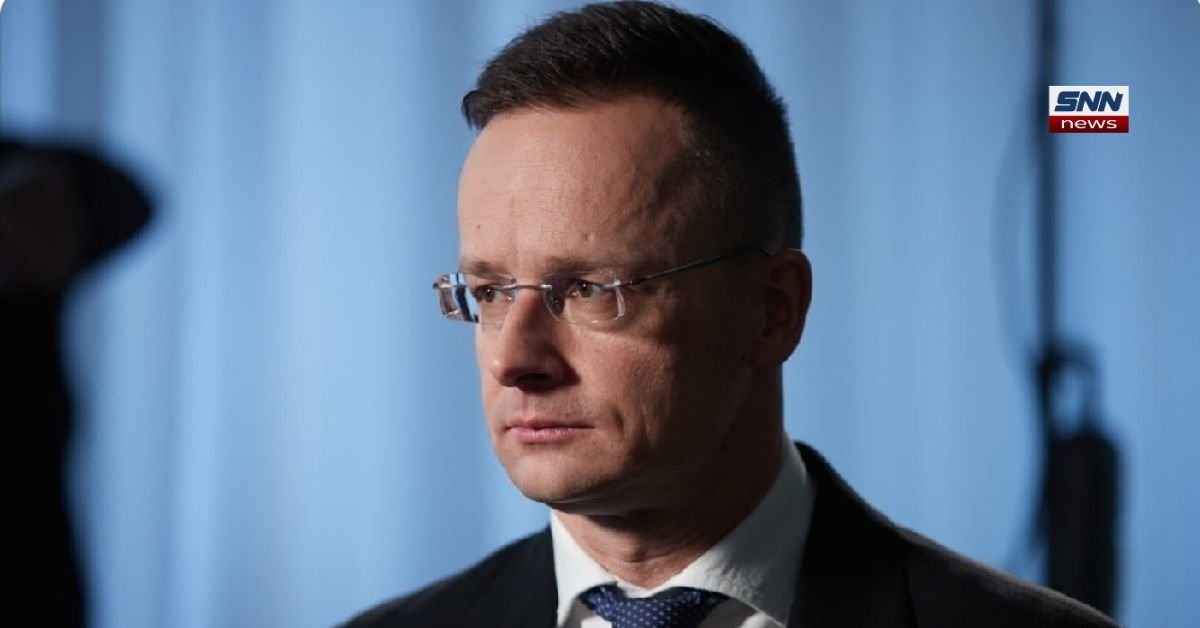
Hungary’s Foreign Minister Péter Szijjártó has defended his country’s long-standing relationship with Russia, saying Budapest does not regret building closer ties over the past 11 years.
He argued that the strategy was based on practical national interests and helped Hungary obtain cheaper energy resources during a period of rising costs across Europe.
His remarks come at a time when relations between the European Union and Russia remain tense because of the war in Ukraine, sanctions policies, and debates over Europe’s future energy security.
Foreign Minister has often taken a different position from several EU partners by maintaining dialogue with Moscow while many Western governments reduced contact.
Szijjártó also rejected criticism that Foreign Minister was engaging in “double dealing” by balancing relations with both the European Union and Russia.
In addition, he claimed that Ukrainian intelligence services had interfered in elections, though no detailed public evidence was presented with the statement.
Hungary Maintains Independent Foreign Policy Approach
Since the start of the Russia-Ukraine war, Hungary has repeatedly described its foreign policy as one based on national interests rather than bloc politics.
Prime Minister Viktor Orbán’s government has emphasized energy affordability, border security, and economic stability.
Foreign Minister Szijjártó said Hungary’s decision to maintain working relations with Russia was made years before the current crisis.
According to him, those ties helped protect Hungarian households and businesses from extreme energy price shocks seen elsewhere in Europe.
Key Points Raised by Hungary
- Hungary spent 11 years building pragmatic relations with Russia
- The policy helped secure cheaper gas and energy supplies
- Budapest rejects accusations of political double standards
- Officials say national interests guide foreign policy decisions
- Claims were made about foreign interference in elections
- Foreign Minister
Why Energy Prices Matter in Hungary
Energy remains one of the most sensitive political and economic issues in Europe. After the outbreak of war in Ukraine, many countries faced higher gas prices, inflation, and pressure on industry.
Hungary Foreign Minister relies heavily on imported energy, particularly natural gas. Long-term agreements and existing infrastructure connections have made Russian energy supplies important for the country.
Supporters of Hungary’s policy say affordable energy helps:
- Lower household utility bills
- Support manufacturing industries
- Reduce inflation pressure
- Improve economic competitiveness
- Protect jobs during uncertain markets
- Foreign Minister
Critics, however, argue that dependence on Russian energy can create strategic risks.
EU Divisions Over Russia Policy Continue
Foreign Minister stance has frequently placed it at odds with some European Union members seeking stronger isolation of Russia.
While Budapest has approved many EU measures over time, it has also delayed or criticized certain sanctions and military aid decisions.
This has created ongoing debates inside the EU about unity, sovereignty, and how member states should balance national interests with collective foreign policy goals.
Areas of Disagreement in Europe
- Energy sanctions on Russia
- Military support for Ukraine
- Diplomatic engagement with Moscow
- Trade restrictions and enforcement
- Long-term European security planning
- Foreign Minister
Hungary Foreign Minister argues that practical solutions should come before ideology, especially when citizens face economic pressure.
Szijjártó Rejects “Double Dealing” Criticism
Some European critics have accused Foreign Minister of benefiting from EU membership while maintaining warmer relations with Russia than many allies consider acceptable.
Szijjártó rejected those claims, saying Hungary Foreign Minister is acting transparently and consistently. He argued that protecting the economy and ensuring affordable energy should not be viewed as political betrayal.
According to Hungarian officials, countries should be free to choose policies that best serve their people, as long as they remain within legal international frameworks.
Election Interference Claim Draws Attention
The foreign minister also said Ukrainian intelligence services interfered in elections. The allegation is politically sensitive because claims of foreign influence in democratic processes often trigger security concerns.
No detailed evidence was publicly attached to the statement in the remarks cited. Such accusations can raise tensions between neighboring states and may lead to diplomatic responses if pursued formally.
Election interference claims across Europe are usually investigated carefully because they can involve cyber activity, information campaigns, or intelligence operations.
Hungary and Ukraine Relations Remain Complicated
Although Hungary supports humanitarian aid and has taken in refugees fleeing the war, relations between Budapest and Kyiv have at times been difficult.
Disagreements have included:
- Minority rights issues involving ethnic Hungarians in western Ukraine
- Military transit and arms support policies
- Sanctions debates within the EU
- Public criticism between officials
- Foreign Minister
Despite these disputes, both countries remain affected by regional security developments.
Public Impact for Hungarian Citizens
For many Hungarian citizens, the biggest issue is not geopolitics but daily living costs. Inflation, fuel prices, food costs, and utility bills directly affect households.
If Hungary’s energy strategy keeps prices lower than expected, the government may continue to present that policy as evidence of successful leadership.
If prices rise or supplies weaken, critics may challenge the long-term sustainability of the approach.
Wider European Security Context
Europe continues to adjust its security and economic policies due to the war in Ukraine. Many governments are diversifying energy sources, investing in renewables, and reducing dependency on single suppliers.
Hungary’s Foreign Minister model stands out because it combines EU membership with continued pragmatic engagement where possible. Whether this approach remains effective will depend on future energy markets, regional politics, and EU internal negotiations.
What Happens Next
Hungary is expected to continue defending its independent Foreign Minister policy while participating in EU decision-making.
Tensions may continue whenever sanctions, Ukraine support packages, or Russia policy are debated in Brussels.
Szijjártó’s latest remarks show that Budapest is unlikely to change course quickly. Instead, Hungary appears determined to argue that pragmatic relations and affordable energy remain central to its national strategy.
As Europe faces ongoing economic and security uncertainty, Hungary’s Foreign Minister Russia ties will remain closely watched by allies, critics, and markets alike.
Hungary Russia relations latest, Hungary energy policy Europe, EU Russia tensions, Hungary Foreign Minister news, Europe gas supply updates
About The Author