
By Abida Kahlun
Bureau Chief Helsinki
Snn News Finland
Finland Moves to Deport Russian Activists as Human Rights Concerns Grow
Finland Deportation is preparing to deport two Russian activists who say they could face serious criminal charges if returned to Russia.
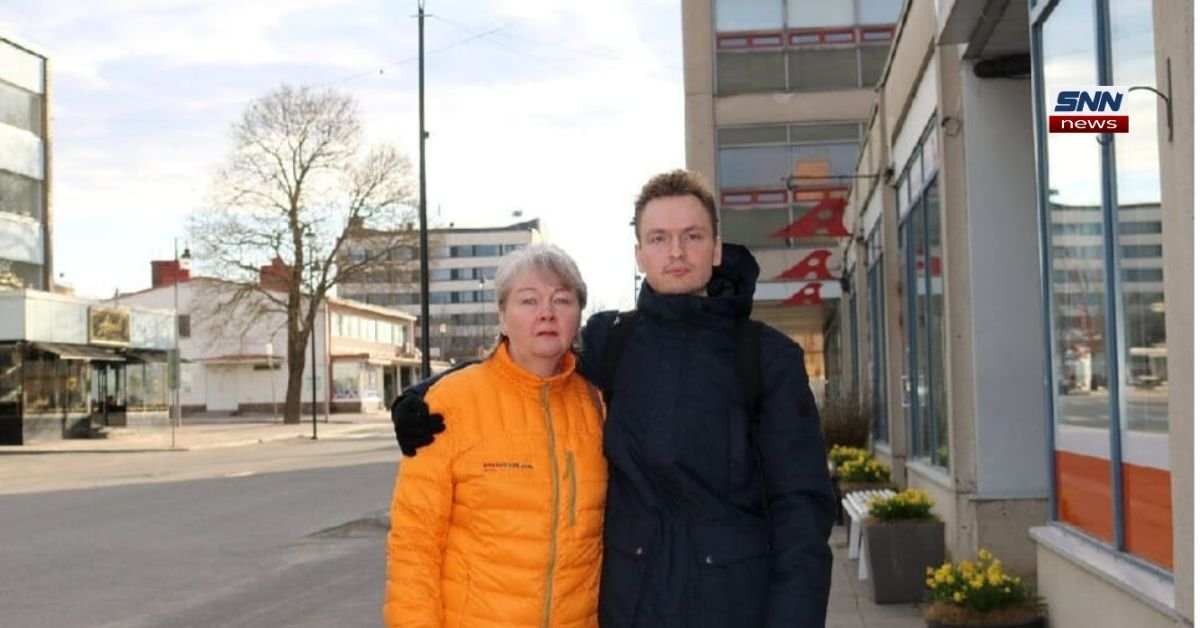
Olga and Nikita Belov, a couple who left Russia after the start of the Ukraine war, have reportedly been denied asylum and taken into custody while deportation proceedings continue.
According to their legal representative, the pair may face treason-related accusations in Russia because of volunteer activities and support linked to Ukraine while living abroad.
The case has raised concern among rights observers, migration experts, and campaigners who warn that forced returns to Russia may expose political opponents to imprisonment or pressure.
A Finnish court is expected to review whether the couple should remain in detention while the removal process continues.
Who Are Olga and Nikita Belov?
Olga and Nikita Belov reportedly left Russia after the full-scale invasion of Ukraine began in 2022. Like many Russian citizens who opposed the war, they moved abroad after political conditions tightened and risks increased for critics of the Kremlin.
While outside Russia, the couple is said to have participated in volunteer efforts connected to humanitarian or civic support for Ukraine.
Their lawyer argues that even non-combat assistance, donations, or cooperation with organizations seen as supporting Ukraine could be used against them by Russian authorities.
That concern is central to their asylum claim.
Why Finland Denied Asylum
Finnish authorities have not publicly released full details of the asylum rejection. In most cases, asylum decisions depend on whether applicants can prove a well-founded fear of persecution based on political opinion, war-related risk, or other protected grounds under international law.
Governments also review:
- Credibility of testimony
- Personal risk upon return
- Country conditions
- Security or legal concerns
- Available evidence of persecution
The Belovs reportedly told police they cannot safely return to Russia because they fear prison, interrogation, and pressure from authorities.
Court to Decide Custody, Not Final Risk
A court hearing is expected to focus first on whether the couple should remain in custody before deportation.
Legal experts note that detention hearings are separate from broader questions about refugee protection, although they can strongly affect the outcome of urgent cases.
Reports indicate that chances of stopping deportation may be limited unless new evidence is presented or an emergency legal remedy is granted.
That makes the upcoming court process especially significant.
Fear of Treason Charges in Russia
The couple’s lawyer says they could face treason charges or similar national security accusations if sent back to Russia.
Since the Ukraine war began, Russia has expanded legal pressure against people accused of:
- Supporting Ukraine
- Donating to banned or unwanted groups
- Sharing anti-war views
- Cooperating with foreign organizations
- Criticizing the military campaign
- Assisting exiled activists
Human rights organizations have repeatedly said that broad security laws can be used to silence dissent.
Reported Medical Incident During Questioning
According to reports, Olga Belov lost consciousness during police questioning. The incident has drawn attention to the emotional and psychological strain that detention and deportation proceedings can create.
Migration and detention cases often involve:
High Stress Levels
Applicants may fear imprisonment, family separation, or forced return.
Trauma From Previous Experiences
Some asylum seekers have already experienced threats, surveillance, or political pressure.
Limited Time for Appeals
Fast-moving deportation cases can create intense anxiety.
Authorities are generally expected to ensure access to healthcare and appropriate treatment during custody proceedings.
Finland’s Position on Russia-Linked Asylum Cases
Finland shares a long border with Russia and has faced growing migration and security pressures since relations between Moscow and Europe deteriorated.
In recent years, Finland has tightened border controls, reviewed asylum procedures, and increased national security measures. At the same time, the country remains bound by international refugee law and human rights obligations.
These include the principle of non-refoulement, which means a person should not be returned to a place where they face torture, persecution, or serious harm.
Whether the Belovs meet that threshold is at the center of the dispute.
Wider European Debate on Russian Dissidents
The case also reflects a broader European challenge: how to assess asylum requests from Russian citizens who fled after the war began.
Many applicants fall into different categories:
- Political dissidents
- Journalists
- Anti-war protesters
- Military draft evaders
- Civil society volunteers
- Family members of targeted individuals
Some have received protection across Europe, while others have faced rejection depending on evidence and national rules.
Public and Legal Impact in Finland
The deportation case may draw debate inside Finland over how asylum systems handle politically sensitive returns.
Questions raised include:
How Is Risk Evaluated?
Critics may ask whether enough weight was given to the danger of prosecution in Russia.
What Counts as Political Persecution?
Support for Ukraine may be treated differently depending on legal interpretation.
Are Appeals Accessible?
Fast deportation timelines often limit practical legal options.
How Should Security and Rights Be Balanced?
European states continue to weigh border control against humanitarian obligations.
Russia’s Legal Climate Since the Ukraine War
Since 2022, Russian authorities have introduced or strengthened laws covering state security, military criticism, foreign agents, and wartime information controls.
International watchdogs say these measures have led to arrests, fines, and prison terms for activists, journalists, and ordinary citizens expressing dissent.
Because of that environment, deportation cases involving anti-war Russians often receive close scrutiny.
What Happens Next
The immediate next step is the court review of custody. If detention continues, deportation could move forward quickly unless a higher court, emergency appeal, or new legal intervention pauses the process.
For Olga and Nikita Belov, the outcome may determine whether they remain in Finland or are returned to a country where they say they fear prosecution and prison.
The case is likely to remain an important test of how Finland handles asylum claims involving war-related political risk and human rights concerns.
Finland deportation news, Finland asylum policy updates, Russia dissidents in Europe, Ukraine war refugee cases, Human rights news Finland
About The Author