
By Riffat Kausar
Snn News Finland
Iranian Authorities Carry Out Execution of University Student Amid Growing Security Crackdown
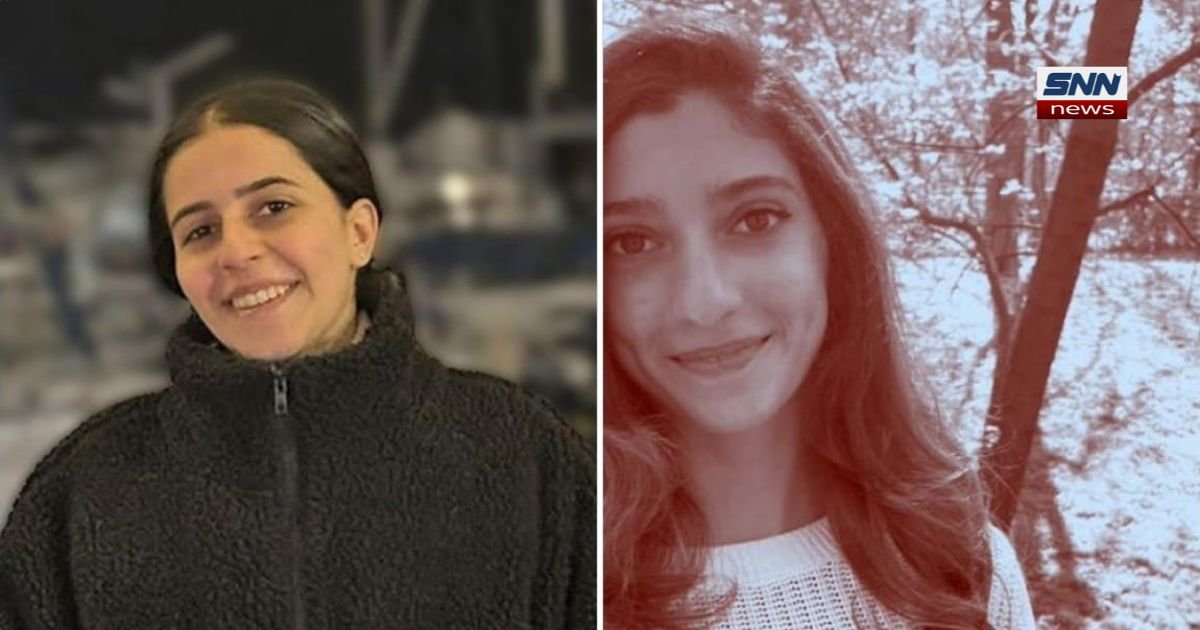
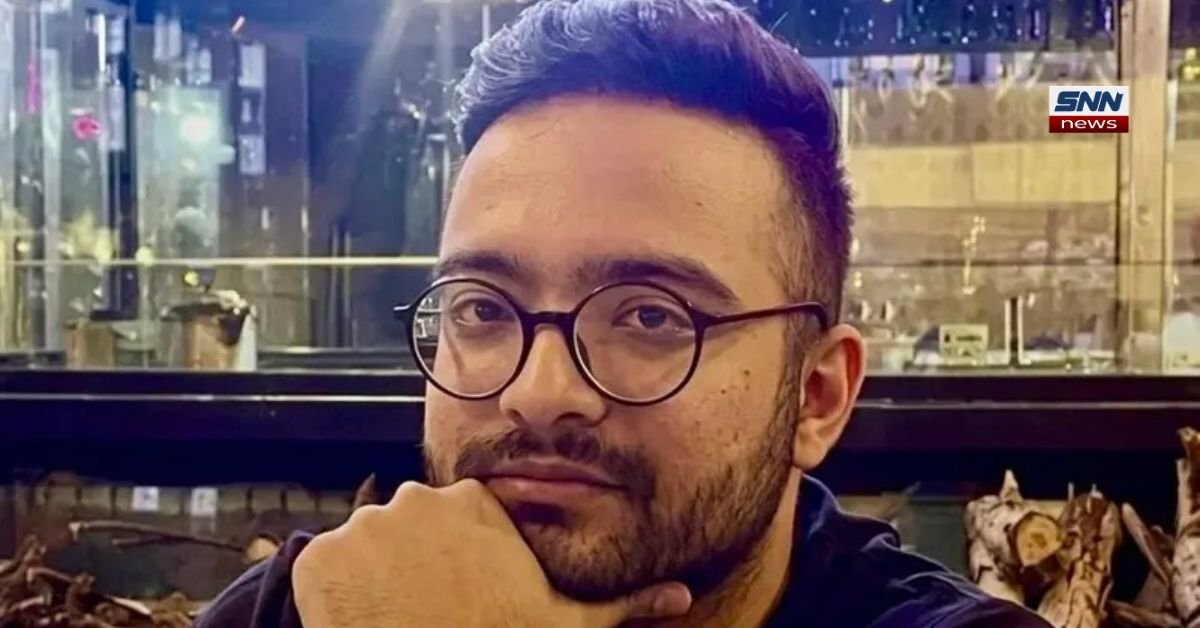
Iranian authorities executed 29-year-old postgraduate student Erfan Shakourzadeh on Monday after he was convicted on espionage charges, according to state-linked judicial sources.
The execution has Postgraduate drawn renewed international attention as rights organizations question the fairness of legal proceedings and the treatment of detainees in national security cases.
Iran’s judiciary announced that Shakourzadeh had been convicted of collaborating with the United States intelligence agency CIA and Israel’s intelligence service Mossad.
Officials said the sentence was carried out following legal proceedings under Iran’s national security laws Postgraduate.
However, Finland-based human rights organization Finn Stands for Rights said the case raises serious concerns over due process, prison conditions, and allegations of forced confessions.
The execution comes during a period of heightened political and military tension involving Iran, the United States, and Israel, with authorities intensifying security measures and espionage-related prosecutions.
Who Was Erfan Shakourzadeh?
According to rights groups, Erfan Shakourzadeh was a postgraduate student at Iran University of Science and Technology, one of Iran’s leading technical and research institutions.
Finn Stands for Rights stated that before his execution, Shakourzadeh Postgraduate reportedly left behind a message denying all accusations against him. According to the organization, he described the espionage charges as fabricated and politically motivated.
Rights monitors say his case has become symbolic of broader concerns about transparency in Iran’s national security prosecutions.
Iranian Judiciary Announces Espionage Conviction
Iran’s judicial media outlet Postgraduate reported that Shakourzadeh had been convicted of cooperating with foreign intelligence services, specifically the Central Intelligence Agency and Mossad.
Authorities did not publicly release detailed evidence connected to the charges beyond official statements.
Espionage accusations in Iran are often handled through the country’s Revolutionary Court system, where cases related to national security, intelligence operations, and political offenses are prosecuted.
State officials said the sentence was issued under Iran’s legal framework for national security crimes.
Human Rights Group Alleges Torture and Forced Confession
Finland-based human rights organization Finn Stands for Rights said Shakourzadeh was subjected to severe mistreatment during detention.
According to the organization, he was:
- Held in solitary confinement for extended periods
- Denied regular access to legal representation
- Subjected to physical and psychological pressure
- Forced to give confessions under coercion
- Postgraduate
The organization described him as an “elite student” whose academic standing made his case especially concerning.
Rights advocates say allegations of forced confessions Postgraduate have repeatedly emerged in politically sensitive cases inside Iran.
Fifth Espionage Execution Since Regional Conflict Escalated
According to human rights monitors, Shakourzadeh is the fifth person executed on espionage-related charges since the current wave of regional conflict intensified in late February.
Analysts say the increase in executions appears connected to heightened security concerns as tensions continue between Iran, the United States, and Israel.
Authorities in Tehran have repeatedly accused foreign intelligence agencies of attempting to destabilize the country through covert operations, cyber activity, and internal networks.
In response, Iran has increased arrests and prosecutions tied to national security allegations.
Wider Pattern of Executions Raises International Concern
Human rights organizations say Shakourzadeh’s execution Postgraduate is part of a broader pattern of capital punishment cases linked to political unrest, intelligence accusations, and protest movements.
According to Finn Stands for Rights, Iranian authorities have also recently executed:
Protest-Related Cases
- 13 men connected to protests that took place in January
- One additional detainee linked to earlier nationwide demonstrations in 2022
- Postgraduate
Opposition-Related Cases
- 10 individuals accused of ties to banned opposition groups
- Postgraduate
Rights groups argue that many of these cases involve closed trials, limited public access to court records, and restricted legal defense.
International Attention on Iran’s Judicial System
Iran’s use of the death penalty continues to attract international scrutiny from rights organizations, legal experts, and foreign governments.
Critics argue that national security cases in Iran often lack independent judicial oversight and may rely on intelligence-led investigations that are difficult to verify publicly.
Supporters of Iran’s security policies, however, argue that the government faces ongoing external threats and espionage risks that require strict legal action.
The debate has intensified as regional conflict expands and diplomatic relations remain fragile.
Academic Community and Rights Advocates Respond
The reported execution of a university student has also raised concern among academics and civil society groups.
Education advocates say universities should remain protected spaces for intellectual development, research, and open inquiry.
Some rights organizations fear that cases involving students could create broader concerns among young academics, researchers, and university communities across Iran.
Observers say the case could have a long-term effect on perceptions of academic freedom and personal security in higher education institutions.
Public Impact of the Case
The execution of Erfan Shakourzadeh has become significant not only because of the espionage allegations but also because of his academic background and the human rights claims surrounding his detention.
The case highlights ongoing questions about:
- Judicial transparency
- Prison conditions
- Access to legal defense
- Treatment of detainees in national security cases
- Use of capital punishment in politically sensitive trials
- Postgraduate
As international monitoring continues, rights groups say independent investigations and legal accountability remain essential in cases involving the death penalty.
For now, Shakourzadeh’s execution stands as one of the most closely watched security-related cases in Iran this year, reflecting the growing intersection of geopolitics, domestic security, and human rights concerns.
/iran-postgraduate-student-erfan-shakourzadeh-execution-case
About The Author