
By Riffat Kausar
Snn News Finland
Hundreds Take to the Streets in Havana Amid Cuba’s Growing Energy and Economic Crisis
Large anti-government protests broke out in Havana after residents faced some of the longest blackouts seen in the Cuban capital in decades.
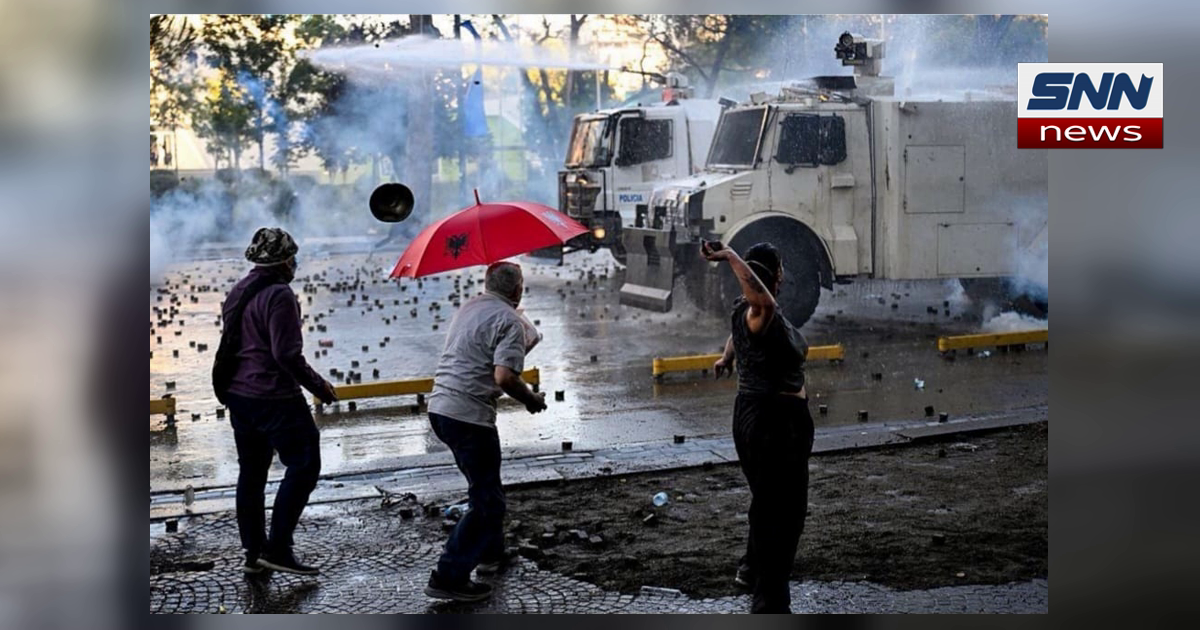
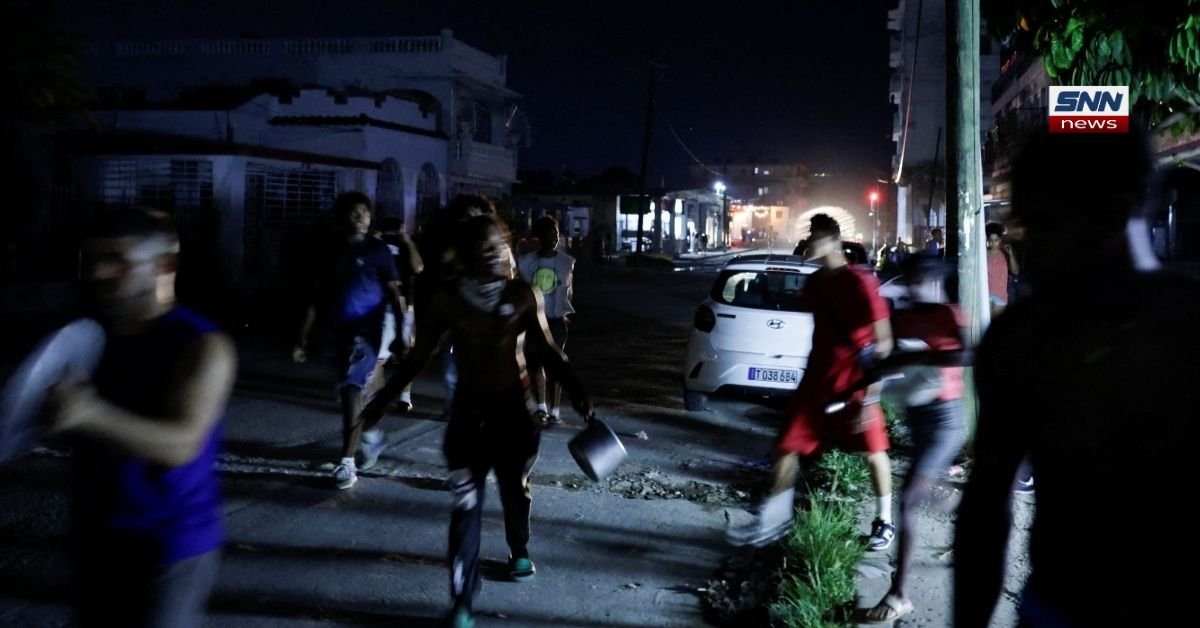
Hundreds of people gathered in neighborhoods across the city, banging pots and pans, blocking roads, and shouting slogans demanding electricity and government action.
The demonstrations began after Cuban authorities confirmed the country had completely run out of diesel and fuel oil reserves, creating a severe national energy emergency.
Officials warned that the lack of fuel had pushed the country’s electrical system into a critical condition, leaving millions affected by daily power cuts.
Witnesses reported hearing crowds chant “Turn on the lights!” as frustration grew over repeated outages, food shortages, transport disruption, and the rising cost of living.
The protests mark one of the most significant public demonstrations seen in Cuba’s capital in recent years and reflect growing public anger over deteriorating living conditions.
Cuba Says Fuel Supplies Have Reached Zero
Cuba’s Energy and Mines Ministry confirmed that the country currently has no fuel oil or diesel reserves left for power generation.
Energy Minister Vicente de la O Levy said the national electricity system is operating under extreme pressure, with no emergency fuel stock available.
The shortage has forced authorities to rely on limited domestic gas production and aging infrastructure to keep parts of the island functioning.
In several districts of Havana, blackouts have reportedly lasted between 20 and 22 hours per day, leaving homes, hospitals, and businesses struggling to maintain basic operations.
Refrigeration failures, water supply interruptions, and transport shutdowns have added to the public frustration.
Streets of Havana Filled With Anger and Protest
As power outages worsened, residents poured into the streets of Havana overnight in visible protest.
Videos and eyewitness accounts showed:
- Residents banging pots and pans from balconies and streets
- Small groups blocking roads with burning debris
- Crowds shouting anti-government slogans
- Calls for electricity, food security, and economic relief
- Protests
Local authorities increased police presence in several neighborhoods, though reports suggest the protests initially remained largely peaceful.
For many residents, the demonstrations were less about politics and more about survival.
Families facing spoiled food, lack of water pumps, limited medicine, and no air conditioning in extreme heat say daily life has become increasingly difficult.
Why Cuba Is Facing a Fuel and Electricity Crisis
Heavy Dependence on Imported Fuel
Cuba has long depended on imported oil and fuel shipments from foreign partners including Venezuela and Mexico.
Recent supply disruptions, international trade restrictions, and financial pressure have significantly reduced those imports, leaving the island with limited alternatives.
At the same time, Cuba’s aging power plants and weak infrastructure have made the national grid increasingly unstable.
Energy analysts say the combination of:
- Falling fuel imports
- Aging electricity infrastructure
- Limited foreign reserves
- Rising domestic demand
- Protests
has pushed the country into one of its worst energy crises in decades.
Economic Crisis Adds Pressure on Cuban Families
The fuel crisis comes at a time when Cuba is already dealing with deep economic problems.
Across the island, citizens are facing:
Food shortages
Basic groceries and household items have become harder to find.
Inflation
Prices for daily essentials continue to rise.
Transport disruptions
Public buses and fuel-dependent transport services have been reduced.
Healthcare pressure
Hospitals and clinics are facing electricity-related disruptions.
Many Cuban families now spend hours waiting in lines for food, fuel, and medicine while also managing daily blackouts.
Economic experts say the energy shortage is now affecting nearly every sector of Cuban life, from tourism to agriculture and public services.
Government Response Under Growing Pressure
Cuban President Miguel Díaz-Canel acknowledged the country’s energy situation is tense and blamed external economic pressure for worsening the fuel shortage.
Government officials say they are working to stabilize the grid and secure new energy supplies, but no immediate recovery timeline has been announced.
Meanwhile, residents across Havana and other urban areas continue to demand urgent solutions.
Security forces have increased monitoring in parts of the capital as authorities attempt to prevent further unrest.
Public Impact and What Comes Next
With summer temperatures rising and electricity shortages continuing, analysts warn that public frustration may grow if fuel deliveries do not resume soon.
The crisis is now affecting nearly 10 million people across Cuba Protests with many citizens facing daily uncertainty over electricity, water access, and food preservation.
For Havana residents, the protests are not only a response to blackouts they reflect wider concerns about economic stability, public services, and the future of everyday life in Cuba.
As the government searches for emergency energy solutions, the coming days may determine whether the protests remain isolated or develop into a wider national movement.
/cuba-protests-havana-blackouts-fuel-crisis-2026
About The Author