
By Hammad Kahlun,
International Correspondent, Scandinavia
A Stark Comparison From a Veteran War Reporter
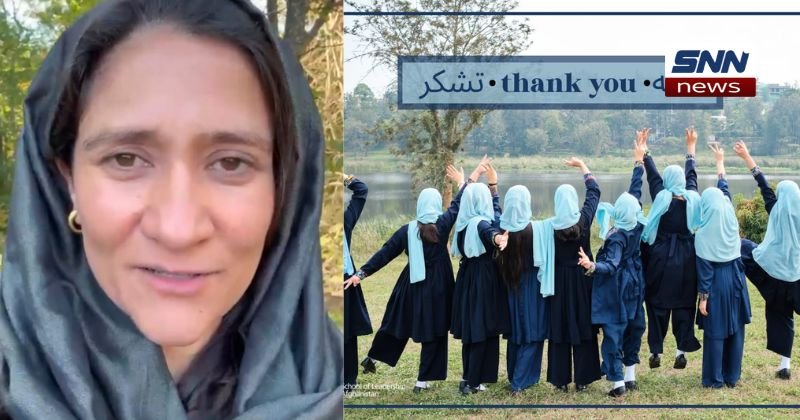
Award-winning war correspondent Janine di Giovanni has publicly criticized what she describes as an inconsistent Western response to civilian deaths in Ukraine versus Gaza.
Di Giovanni said that if a missile hits a hospital in Ukraine, Europe calls it a war crime, but if missiles hit a hospital in Gaza and 100 people die, it is treated as Israel’s right to defend itself.
Di Giovanni is Executive Director of The Reckoning Project and has reported on conflicts including the first Palestinian intifada, the siege of Sarajevo, the Rwandan genocide, and wars in Sierra Leone, Somalia, Chechnya, Iraq, and Syria over nearly three decades.
She has won more than fifteen major awards for her conflict-zone reporting and is a life member of the Council on Foreign Relations.
Broader Debate Over Media Coverage Disparities
Di Giovanni’s comments echo a wider debate among journalists and researchers about how Western outlets frame the two conflicts. One media analysis found that the terms “war crime” and “genocide” were used far more often by CNN and MSNBC when describing Russia’s invasion of Ukraine than Israel’s actions in Gaza, even though independent assessments found Gaza’s destruction more severe by several measures.
The same analysis reported that in the first month of each conflict, Ukrainian victims were described as suffering war crimes or genocide 1,790 times on the two networks combined, compared with 104 times for Palestinian victims.
Context: Di Giovanni’s Broader Commentary
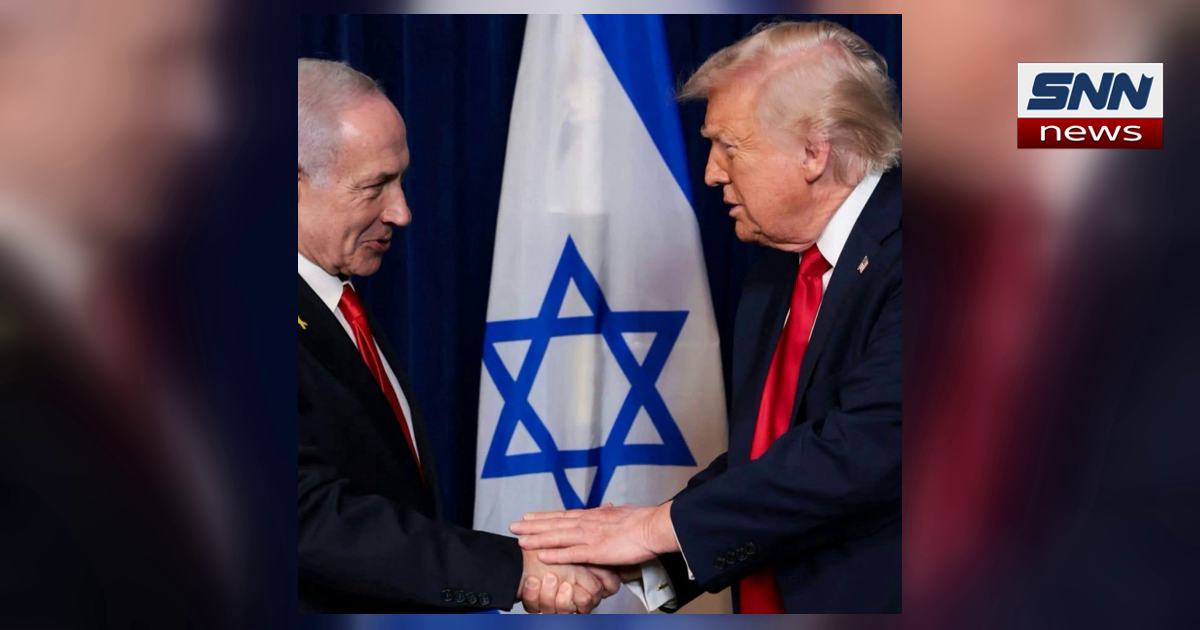
Di Giovanni has continued to comment publicly on both conflicts. In a separate interview, she said it was important to hold accountable not only top leaders but also those who carried out killings, torture, and hospital bombings, arguing that both Vladimir Putin and Israeli Prime Minister Benjamin Netanyahu had operated with impunity.
What Remains Disputed
The framing of both conflicts remains a subject of intense disagreement among governments, media organizations, and analysts, with supporters of Israel’s position arguing its military actions are distinct from unprovoked aggression and are conducted in self-defense following the October 7 attacks.
The debate over equivalence between the two wars continues to divide commentators, humanitarian groups, and policymakers.
How Western media covers the Gaza conflict
About The Author