
By Shumaila Aslam
Pakistan Bureau Chief,
Scandinavian News Agency Finland
Nearly Two Years in Russian Detention
Leniie Umerova, a 27-year-old Crimean Tatar activist, spent close to two years in Russian custody after refusing to accept a Russian passport. She was released in September 2024 as part of a prisoner exchange between Russia and Ukraine.
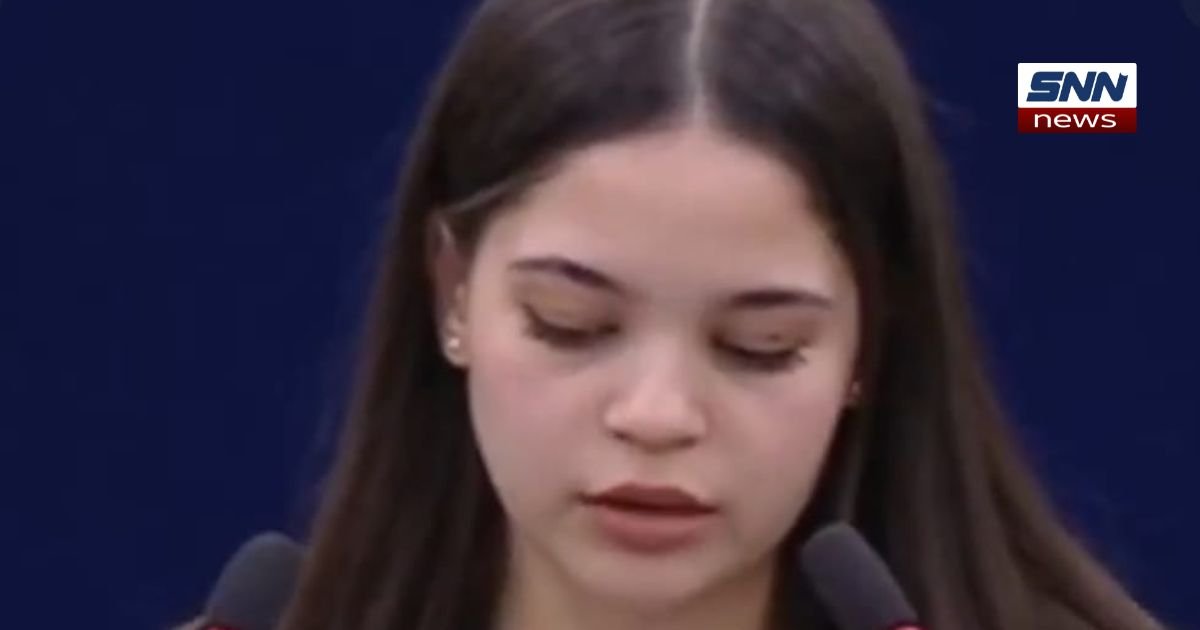
Speaking to the European Parliament in March 2025, Umerova said her Crimean Tatar identity and refusal to take Russian citizenship were enough for Russian authorities to treat her as an enemy of the state.
From Kyiv Back to Occupied Crimea
Umerova was born in Crimea and left the peninsula in 2015, a year after Russia’s annexation, to complete high school in Kyiv. She later studied chemical technologies at Ihor Sikorsky Kyiv Polytechnic Institute.
In December 2022, with her father facing cancer surgery, she decided to travel back to occupied Crimea via Georgia.
At the Verkhniy Lars border crossing between Russia and Georgia, Russian security forces detained her. Her brother, Aziz Umerov, said she was the only passenger on her bus without a Russian passport.
A Cycle of Charges and Detentions
Umerova was initially fined for violating border regulations and released, only to be seized again outside the facility, blindfolded, and left in an unfamiliar part of Vladikavkaz.
Police detained her once more shortly after.
Over the following months, she faced repeated administrative charges including disobeying police and refusing to surrender her phone each resulting in 15-day detentions.
In May 2023, she was moved to Moscow’s Lefortovo detention center and charged with espionage, a case classified as a state secret and carrying a potential 20-year sentence.
Echoes of 1944 Deportation
Umerova has linked her case to the Soviet-era deportation of Crimean Tatars ordered by Joseph Stalin in 1944.
She told the European Parliament that her grandmother was deported at age 10, and that two of her grandmother’s younger brothers died of starvation during the process.
She described the pattern as repeating itself, with Russia again erasing identities and altering borders.
Release and Recognition
Umerova was released on September 13, 2024. In April 2026, Ukrainian President Volodymyr Zelenskyy awarded her the Order of Merit in recognition of her human rights advocacy.
Opposition to Crimea’s Recognition
Reports that a peace proposal from the Trump administration included U.S. recognition of Russian control over Crimea caused Umerova distress.
She told the Kyiv Independent that Crimea represents people who continue to risk their lives to remain Ukrainian, not merely territory.
She argued that recognizing Russian control would undermine international law and legitimize the annexation.
Ongoing Advocacy
According to Ukraine’s Presidential Mission in Crimea, roughly 133 Crimean Tatars remain imprisoned by Russian authorities.
Umerova now advocates for the release of civilian hostages still held in Russian detention.
About The Author