

By Hammad Kahlun
Scandinavian News Agency
, Helsinki, Finland
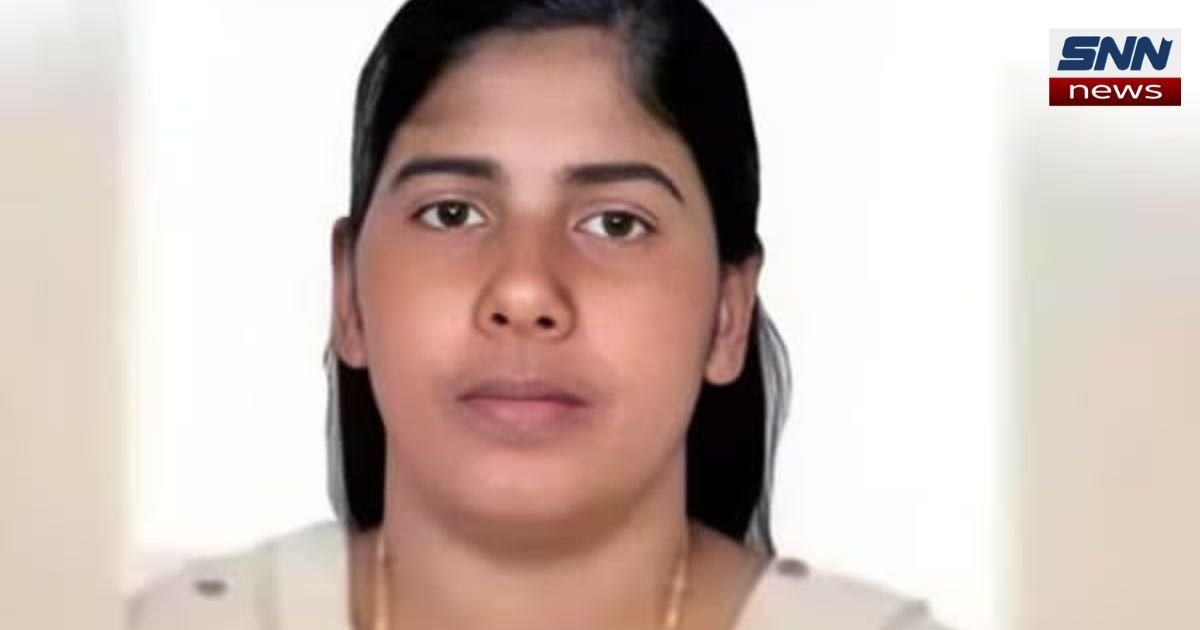
In a dramatic turn of events, Yemeni authorities have officially withdrawn the death sentence against Nimisha Priya, an Indian nurse who was facing capital punishment for the 2017 murder of a Yemeni national.
The case, which had stirred diplomatic concern and triggered a widespread humanitarian campaign in India, is now moving toward a possible resolution through traditional Yemeni justice mechanisms.
Nimisha Priya, originally from Kerala, was convicted for the killing of her former employer, a Yemeni man identified as Khalifa.
Reports indicate she had administered a sedative injection that led to his death — allegedly in an attempt to retrieve her confiscated passport and escape years of abuse and exploitation.
After a lengthy legal battle and intense public pressure, the court has reportedly revoked the execution order following renewed negotiations between the victim’s family and representatives from India, including members of the “Save Nimisha” campaign.
Yemeni tribal traditions allow for a form of clemency known as “blood money” (or diya), wherein the victim’s family may agree to forgive the accused in exchange for monetary compensation.
Sources close to the matter say that discussions over the amount of compensation are currently underway, and the formal pardon is expected to follow once a settlement is reached.
The Indian government has not yet issued an official statement, but diplomatic channels are believed to be active behind the scenes.
Human rights organizations and women’s rights groups in India have welcomed the news, calling it a “ray of hope” for Indian migrant workers trapped in legal and humanitarian crises abroad.
If finalized, the agreement could pave the way for Nimisha Priya’s return to India, after spending nearly eight years in prison. However, legal experts warn that despite the cancellation of the death sentence, further judicial formalities remain before she can be repatriated.
About The Author