

SHUMAILA ASLAM
Scandinavian News Agency
Bureau Chief Pakistan
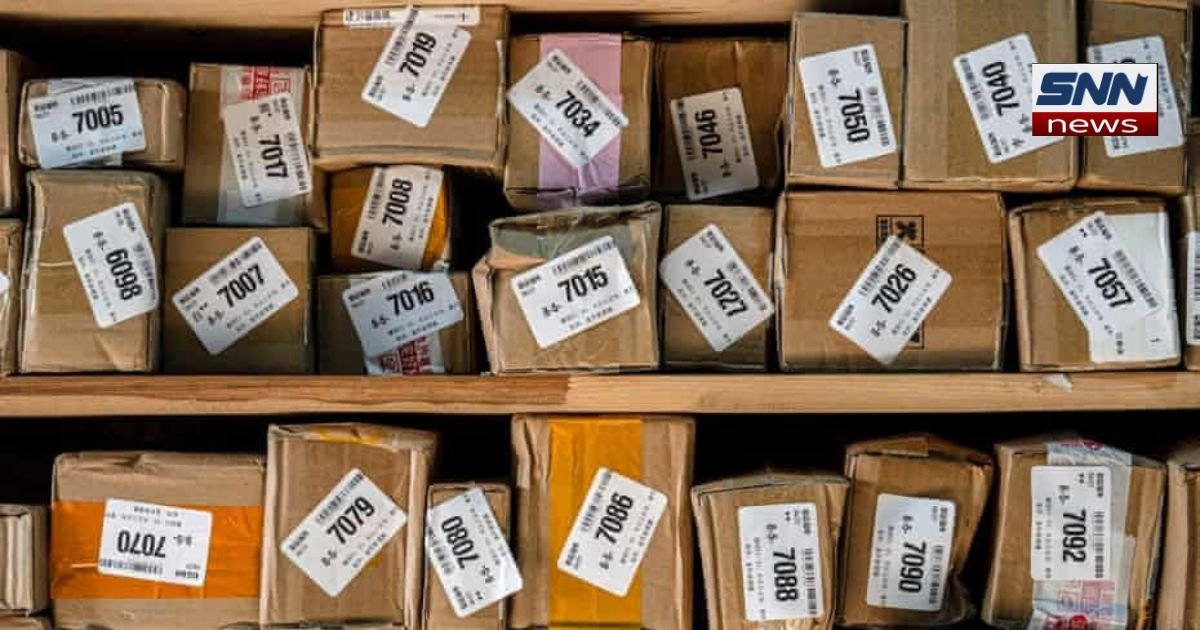
The U.S. government under President Donald Trump has officially ended the tariff exemption for imported packages worth under $800. From now on, all parcels coming into the U.S. will face full customs duties.
The U.S. Customs and Border Protection (CBP) started applying the new duty rules at 12:01 a.m. EDT (04:01 GMT) on Friday. This change expands Trump’s earlier decision that had already removed the exemption for goods from China and Hong Kong.
To help adjust, a six-month transition period is in place. During this time, postal services can charge flat duties of $80, $160, or $200 per package depending on the country of origin.
This exemption had been around since 1938 and was raised from $200 to $800 in 2015. It was important for e-commerce growth, but Trump’s administration claims it allowed:
- A massive increase in direct shipments from China
- The growth of online fast-fashion retailers such as Shein and Temu
- Illegal drug smuggling into the U.S.
According to White House adviser Peter Navarro, ending this rule will help stop contraband and bring in up to $10 billion in revenue per year
The numbers show the surge:
- In 2015, about 139 million packages used this exemption.
- By 2024, it had risen to 1.36 billion packages.
- Since the China & Hong Kong exemption was removed in May, CBP has already collected $492 million in extra tariffs.
Under the new rules:
- FedEx, UPS, and DHL must now manage duties and paperwork.
- Postal services can use flat rates for now but must fully switch to value-based duties by February 28, 2026.
- Parcels will be charged:
- $80 (U.K. & EU, under 16% tariff rate)
- $160 (Indonesia & Vietnam, 16–25% tariff rate)
- $200 (China, Brazil, India & Canada, over 25% tariff rate)
Global impact:
- Over 30 countries (Germany, Japan, Australia, Mexico) have already cut or stopped deliveries to the U.S.
- Some, including the U.K., Canada, and Ukraine, will continue sending parcels.
Concerns:
- Small businesses may struggle with higher costs.
- Companies could face layoffs.
- Prices of imported goods may rise.
- Even big brands like Nike expect billions in extra expenses.
Economic studies:
- The Tax Foundation predicts these tariffs could reduce U.S. market income by 1.5% in 2026.
- “According to research from Yale University, the tariffs could create expenses for the U.S.”
About The Author