

By Riffat Kausar
Scandinavian News Agency
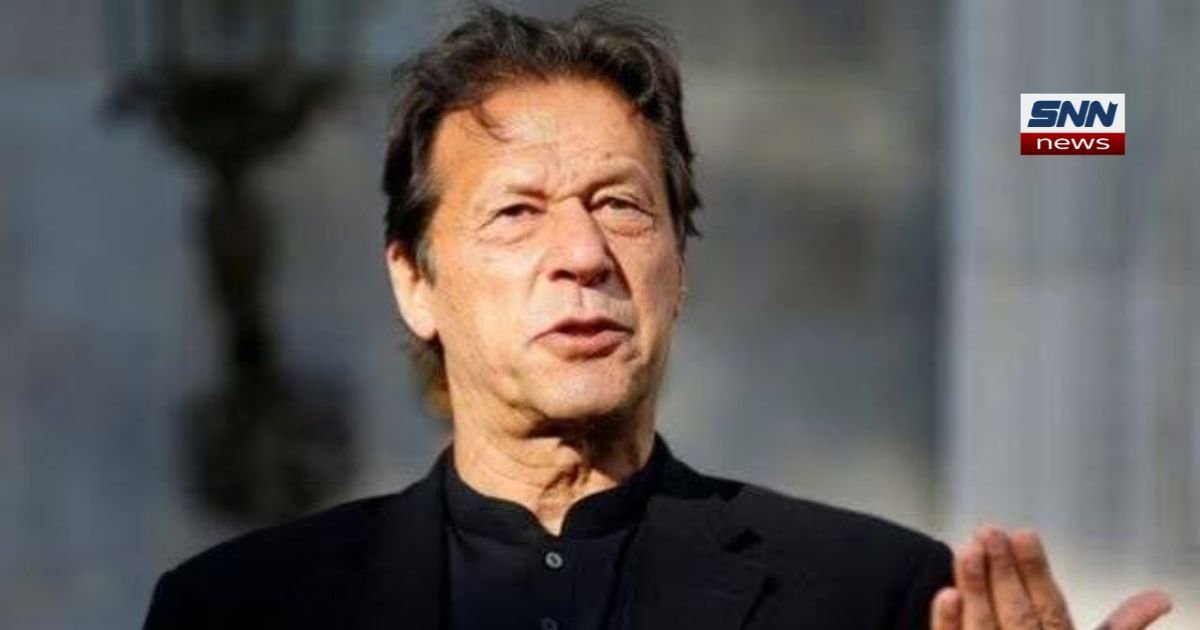
Finn Rights International has declared former Pakistani Prime Minister Imran Khan a “prisoner of conscience,” calling for his immediate and unconditional release.
The Helsinki-based organization made the announcement in a press release issued this week, arguing that the legal cases against Khan amount to political targeting rather than genuine criminal prosecution.
According to Finn Rights International, Khan is being held “solely on the basis of political opposition, public popularity, and his political stance.”
The organization described the proceedings against him as inconsistent with international human rights principles, though it did not name the specific cases it was referring to in the material provided to this outlet.
Finn Rights International’s Case for “Prisoner of Conscience” Status
The term “prisoner of conscience” is most commonly associated with Amnesty International, which uses it to describe individuals imprisoned for their beliefs, identity, or peaceful political activity rather than for recognized criminal offenses. Finn Rights International’s use of the label signals that it views Khan’s detention through this same lens.
Shumaila Aslam, the organization’s Director for the Asia Pacific Region, said in the release that imprisoning someone over religious or political beliefs violates international human rights covenants as well as Pakistan’s own international commitments.
The organization is calling on Pakistan’s government, its judiciary, and international human rights bodies to secure Khan’s release and guarantee him a transparent trial.
Context: A Disputed Legal and Political Battle
Imran Khan’s legal troubles have been a source of sustained controversy in Pakistan since his removal from office in 2022.
His supporters have long argued that the cases against him, ranging from corruption to other charges, are politically motivated efforts to keep him out of public life.
Pakistani authorities and courts, for their part, have consistently maintained that the charges follow established legal processes and are based on evidence rather than political considerations.
This dispute over Khan’s legal status remains unresolved and continues to divide opinion both within Pakistan and internationally.
Key Facts
- Finn Rights International, a Helsinki-based human rights organization, has labeled Imran Khan a “prisoner of conscience”
- The group is demanding his immediate, unconditional release and a review of political cases against him
- Shumaila Aslam, the organization’s Asia Pacific Director, issued the accompanying statement
- Pakistani authorities have generally described the legal cases against Khan as based on established legal grounds, not political persecution
- No response from the Government of Pakistan to this specific declaration was included in the material reviewed
- Imran Khan
FAQs:
What is Finn Rights International?
According to its own description, it is an independent human rights organization based in Finland that says it works to protect justice, human dignity, and fundamental rights internationally.
What does “prisoner of conscience” mean?
It’s a term for someone imprisoned because of their beliefs, identity, or peaceful political activity rather than for a recognized crime. Amnesty International popularized the concept and continues to use similar criteria in its own advocacy work.
Why is Imran Khan currently facing legal cases?
Khan faces multiple cases in Pakistan, including corruption-related charges. His supporters call these politically motivated; Pakistani authorities have generally maintained they follow standard legal procedures.
Has the Government of Pakistan responded to this declaration?
No official response was included in the press release material reviewed for this report.
Is this declaration legally binding?
No. It is a position statement from an advocacy organization and does not carry legal authority over Pakistan’s courts or government.
What Happens Next
Finn Rights International’s declaration does not carry binding legal weight, but such statements from advocacy groups are sometimes cited by international observers monitoring human rights conditions. It remains unclear how, or whether, Pakistani authorities will respond to the organization’s specific demands.
Read more about Imran Khan, Pakistan’s political developments, and related human rights concerns.
About The Author