
By Muhammad Zia Mohiuddin
Scandinavian News Agency
US-Iran tensions have raised fresh concern among regional observers that the Middle East could face renewed military conflict, according to commentary circulated by SNN News.
The warning comes amid what the report describes as stalled negotiations and heightened rhetoric between Washington and Tehran, though specific recent developments driving this assessment were not independently confirmed.
Analysts cited in the commentary argue that any escalation would carry costs far beyond the political sphere, pointing to risks for civilian populations, regional oil markets, and economic stability.
The piece frames the central question not as which side holds greater military strength, but as which side can avoid triggering further humanitarian harm.
Why US-Iran Tensions Are Back in Focus
Tensions between Washington and Tehran have flared periodically for decades, rooted in disputes over Iran’s nuclear program, regional proxy conflicts, and sanctions policy.
According to the commentary reviewed by SNN News, recent signals from US officials have included warnings about potential military action, though the exact nature and timing of these warnings could not be verified independently at the time of writing.
Iran, for its part, has historically maintained that its positions are defensive and rooted in national sovereignty, rejecting what it describes as external pressure through sanctions and military posturing.
Neither government’s current official statement on the latest round of tensions was available for direct attribution in this report.
The Human and Economic Stakes
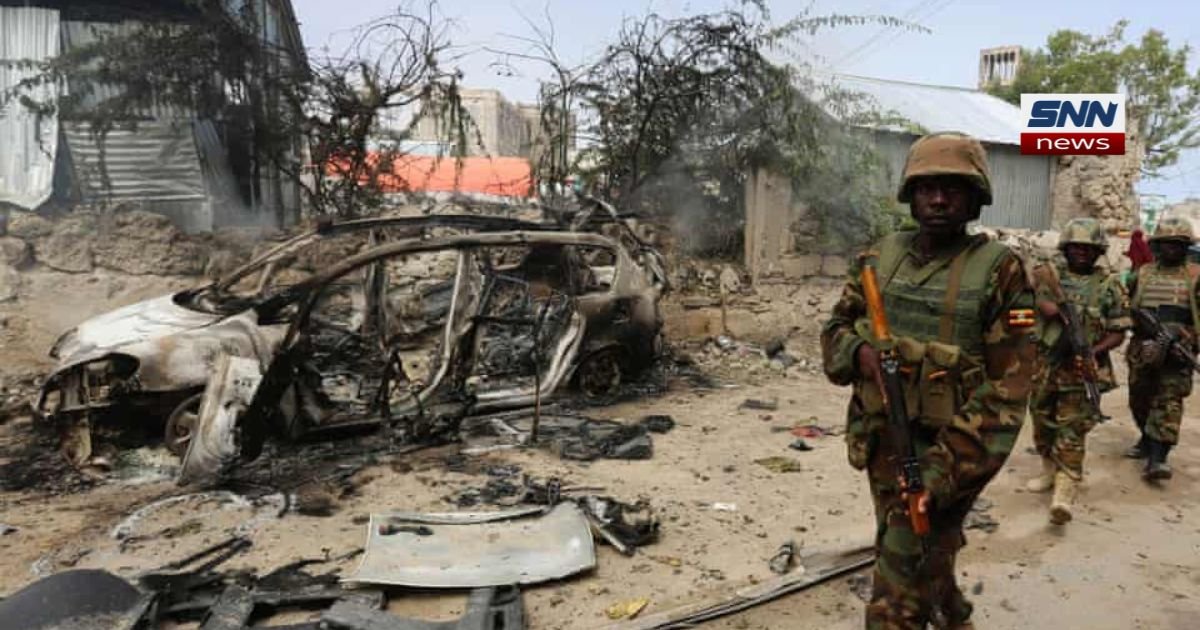
Beyond the diplomatic standoff, the commentary emphasizes consequences for ordinary people. It notes that families, workers, and children in the region bear the direct impact of any military escalation, a point frequently raised by humanitarian organizations during past Middle East conflicts.
“The region’s economic weight extends far beyond its borders, since a large share of the world’s energy supply moves through Middle Eastern routes.”
Analysts have long warned that any disruption in the Strait of Hormuz or surrounding shipping lanes, a route through which a significant share of the world’s seaborne oil passes, could push energy prices higher worldwide and strain economies already facing inflationary pressure.
Key Facts
- Commentary circulated by SNN News warns of rising US-Iran tensions and stalled negotiations
- Specific recent triggering events were not independently verified in this report
- Analysts highlight risks to civilians, oil markets, and regional economic stability
- “Among these routes, the Strait of Hormuz stands out as a narrow passage through which a substantial portion of the world’s seaborne crude is transported daily.”
- Calls for diplomacy over military escalation echo past UN and European statements
- US-Iran
FAQs:
What is driving the current US-Iran tensions?
The commentary points to stalled negotiations and military warnings from Washington, though specific recent events could not be independently confirmed.
How could escalation affect oil prices?
Any disruption near the Strait of Hormuz, a major oil shipping route, could raise global energy prices, based on patterns seen during past regional conflicts.
What has Iran’s historical position been?
Iran has generally described its policies as defensive responses to sanctions and external pressure, rejecting characterizations of aggression.
Have past US-Iran negotiations succeeded before?
Previous nuclear talks produced agreements, including the 2015 deal, though subsequent disputes over compliance and sanctions have repeatedly strained relations.
Calls for Dialogue Over Escalation
The commentary argues that diplomacy, rather than military pressure, offers the more sustainable path to regional stability.
This view echoes positions taken in the past by United Nations officials and some European governments, who have repeatedly called for renewed nuclear talks and de-escalation frameworks involving both the US and Iran.
Critics of this approach, however, including some US and allied officials in past statements, have argued that sustained pressure, including the threat of military consequences, has historically been necessary to bring Iran back to the negotiating table. Both perspectives reflect long-standing, unresolved debates in US-Iran relations.
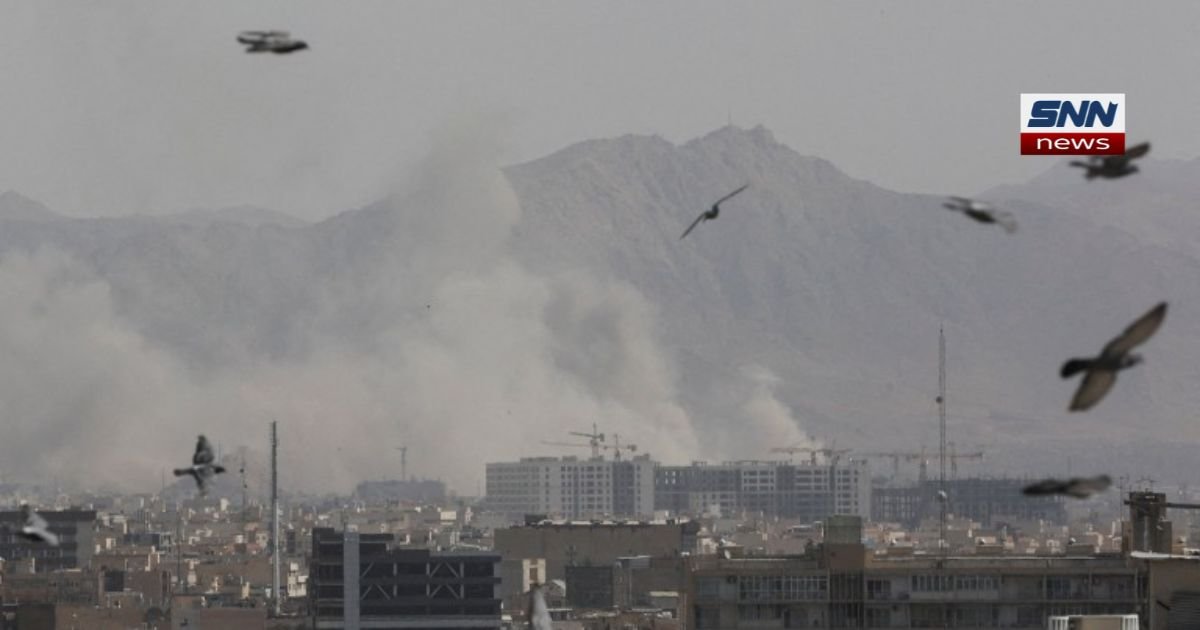
Rising US-Iran tensions are increasing concerns over a wider regional conflict and the risk of a new war in the Middle East.
About The Author