
By Shumaila Aslam
Scandinavian News Finland
Bureau Chief Pakistan
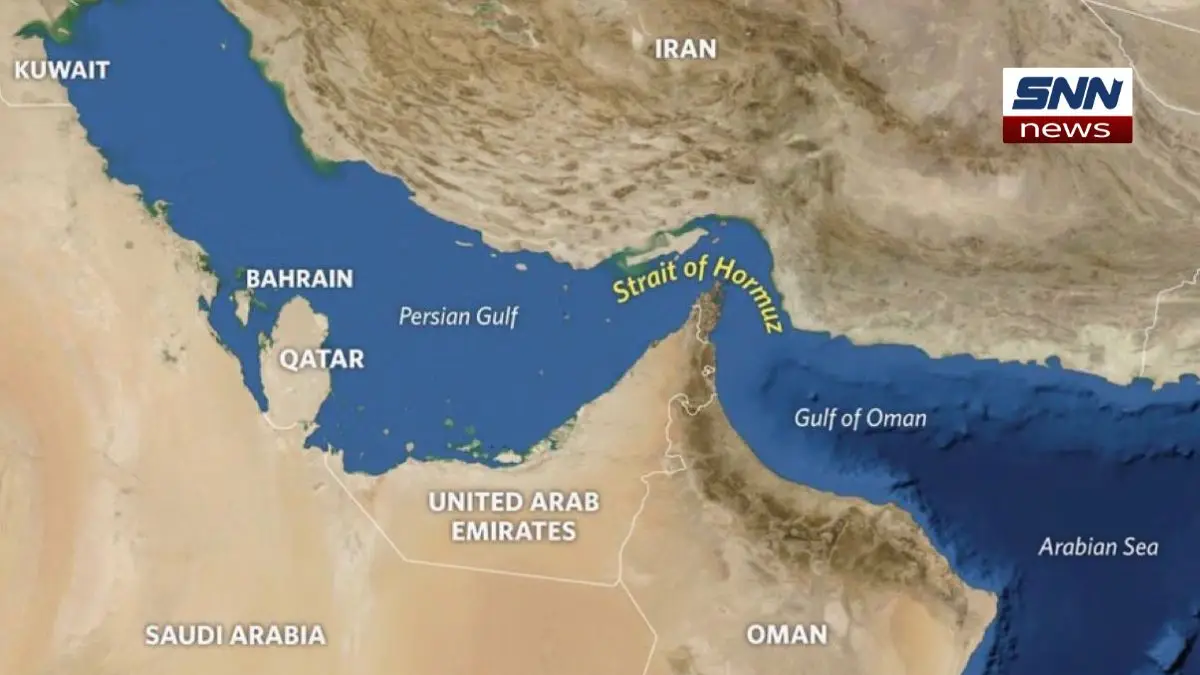
Iran has partially reopened the strategically vital Strait of Hormuz to Selected, allowing ships from what it describes as “friendly countries” to pass through a controlled corridor.
The decision comes after heightened tensions in the Middle East led Tehran to restrict access to the key maritime route.
According to Iranian officials, vessels from countries including China, Russia, India, Iraq, and Pakistan are now permitted to transit the strait under specific conditions.
The move signals a selective easing of restrictions while maintaining tight control over one of the world’s most important oil shipping lanes.
Controlled Access Through a Strategic Waterway
The Strait of Hormuz to Selected is a narrow but crucial passage connecting the Persian Gulf to the global shipping network.
A significant portion of the world’s oil and gas exports pass through this route, making it highly sensitive to geopolitical developments.
Iran had previously limited access to the strait amid rising regional tensions.
Now, authorities have introduced a regulated system that allows certain vessels to pass through a designated corridor near Larak Island.
Key Details of the Reopening
- Access is limited to countries considered “friendly” by Tehran
- Ships must coordinate with Iranian authorities before entering the corridor
- The passage is narrow and closely monitored
- Early reports indicate that some vessels have already completed transit
- Hormuz to Selected
Iran’s Foreign Minister, Abbas Araghchi, confirmed that the policy applies to specific nations with established diplomatic and economic ties with Tehran.
Countries Allowed to Transit
Iran’s decision to allow passage is not universal. Instead, it reflects its current geopolitical alliances and regional strategy.
Approved Countries Include:
- China
- Russia
- India
- Iraq
- Pakistan
- Hormuz to Selected
These nations maintain varying degrees of political, economic, or strategic cooperation with Iran.
By prioritizing them, Tehran appears to be reinforcing partnerships while limiting access for others.
Reports of Coordinated Ship Movement
Media reports indicate that several vessels have already begun using the newly opened corridor.
Ships are required to seek prior approval and follow strict navigation guidelines.
In at least one reported case, a container ship operated by a Chinese company paid a fee to ensure safe passage through the strait.
While details remain limited, this suggests that transit may involve financial or logistical arrangements with Iranian authorities.
The coordination process highlights Iran’s intention to maintain oversight and control, even as it allows limited movement through the waterway.
Strategic Importance of the Strait of Hormuz
Any disruption to shipping in this region can have immediate effects on energy markets and international supply chains.
Why the Strait Matters:
- It handles a large share of global oil exports
- It is essential for energy supplies to Asia and beyond
- It serves as a key route for commercial shipping
- Hormuz to Selected
Because of its importance, even partial restrictions or controlled access can influence global prices and economic stability.
Regional Tensions and Policy Shift
Iran’s earlier decision to restrict access to the strait was linked to escalating tensions in the Middle East.
Although the country has not fully reopened the route, the current policy reflects a calibrated approach.
By allowing only selected countries to pass, Iran is balancing multiple objectives:
- Maintaining leverage in regional politics
- Supporting allied nations’ economic interests
- Demonstrating control over a critical maritime route
- Hormuz to Selected
This selective reopening may also be intended to reduce pressure from key partners while continuing to signal strength in the region.
Impact on Global Trade and Shipping
The partial reopening of the Strait of Hormuz to Selected has immediate and long-term implications for global trade.
Short-Term Effects:
- Limited relief for shipping routes connected to approved countries
- Continued uncertainty for international carriers not included in the policy
- Potential increase in shipping costs due to coordination requirements
- Hormuz to Selected
Long-Term Considerations:
- Possible shifts in trade routes depending on access restrictions
- Increased reliance on alternative shipping corridors
- Ongoing geopolitical risk affecting global markets
- Hormuz to Selected
Shipping companies and energy traders are closely monitoring the situation, as any further changes could impact supply chains worldwide.
Diplomatic and Economic Implications
Iran’s move is likely to influence diplomatic relations and economic partnerships in the region. By granting access to certain countries, Tehran is reinforcing strategic ties while excluding others.
This approach could lead to:
- Stronger economic cooperation with allied nations
- Increased diplomatic tensions with countries not granted access
- Greater focus on regional alliances in shaping trade policies
- Hormuz to Selected
The decision also reflects the broader geopolitical landscape, where access to key resources and routes is closely tied to political relationships.
Conclusion
Iran’s decision to reopen the Strait of Hormuz to Selected to selected countries marks a significant development in regional maritime policy.
While access remains restricted, the move allows limited trade to continue through one of the world’s most important shipping routes.
By granting passage to countries such as China, Russia, India, Iraq, and Pakistan, Tehran is signaling its strategic priorities while maintaining control over the corridor.
As tensions in the Middle East continue, the situation in the Strait of Hormuz to Selected will remain a key factor in global trade, energy security, and international relations.
Read more about Iran’s Strait of Hormuz policy and global shipping developments on our site.
About The Author