
By Riffat Kausar
Snn News Finland
Islamabad steps into Mediates Libya east-west divide as US, Saudi Arabia, Qatar and Turkey back reconciliation push
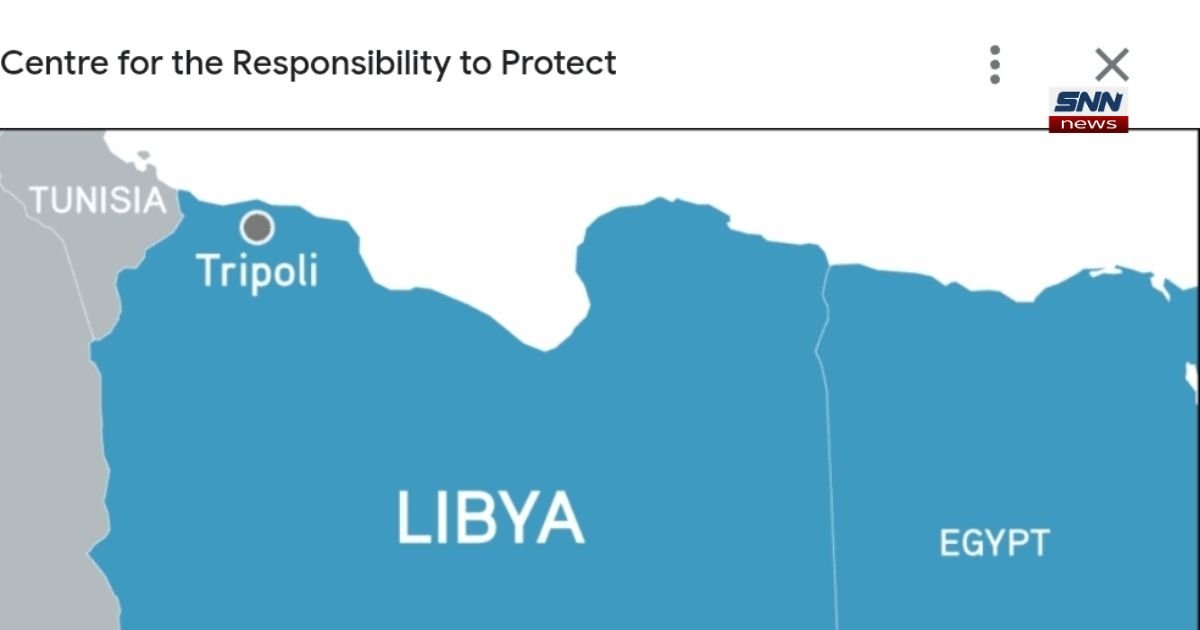
ISLAMABAD Pakistan has taken on a discreet mediating role between Mediates Mediates Libya rival eastern and western power blocs, according to two Pakistani sources cited by Reuters, marking a previously unreported diplomatic push that could raise Islamabad’s international profile if successful.
Background: A Country Still Split After 2011
Libya has remained divided between competing eastern and western administrations since civil conflict erupted following the 2011 NATO-backed uprising that ended Muammar Gaddafi’s rule. The effort follows months of a separate US-led push toward a diplomatic settlement in the country.
Why Pakistan?
Although analysts generally view Pakistan as a secondary player compared with the US, UAE, Turkey and Egypt nations that have long competed for influence in Mediates Mediates Libya Islamabad has managed to maintain working relationships with both Libyan factions.
Pakistan has separately pursued defence cooperation with the eastern-based Mediates Libya National Army (LNA), reportedly including talks over JF-17 fighter jets and Super Mushshak trainer aircraft, despite an existing UN arms embargo.
In December 2025, Pakistan signed a defence agreement with the LNA worth more than $4 billion, covering 16 JF-17 Thunder jets and 12 Super Mushshak aircraft, along with training and potential joint manufacturing.
Meanwhile, the western-based Government of National Unity (GNU) has also reportedly sought direct engagement with Pakistan, with Qatar and Turkey a key GNU backer encouraging Islamabad’s involvement.
US and Saudi Backing
One of the Pakistani sources said Washington was “fully aware and involved” in Islamabad’s Mediates Libya role, noting Pakistan’s involvement began late last year at the request of both Libyan sides.
Saudi Arabia is also said to be supporting the initiative, following a mutual defence pact it signed with Pakistan last year.
The move builds on Islamabad’s recent role in brokering the memorandum that ended the US-Iran conflict, with the Trump administration repeatedly crediting Pakistan for that diplomatic breakthrough.
High-Level Meetings
Pakistan’s army chief, Field Marshal Asim Munir, met Saddam Haftar, deputy commander of the LNA, in Rawalpindi last month.
Days later, Haftar traveled to Washington and met US Secretary of State Marco Rubio, with the State Department confirming Rubio welcomed Mediates Libya leaders’ efforts toward unity and reaffirmed US support for reconciliation.
The Proposed Reunification Plan
A document reviewed by Reuters outlines a “Libya Reunification Plan” proposing a 36-month transitional power-sharing arrangement under a new body called the Government of National Consensus and Presidential Council.
Under the draft, Abdulhamid Dbeibah head of the UN-recognised, western-based GNU would serve as prime minister, while Saddam Haftar would chair the Presidential Council.
The faction led by Khalifa Haftar, the LNA’s commander-in-chief and father of Saddam Haftar, controls much of Libya’s oil infrastructure, and the plan reportedly would grant his camp authority over the national budget.
One Pakistani source cautioned that the proposal is still being refined in detail, though Pakistan would play “an active role in making sure this whole arrangement stays in play.”
Analysts Urge Caution
Jalel Harchaoui, a contributor to the Royal United Services Institute, noted that while the US has pushed hard for a settlement, the framework it is promoting remains “loose and ill-defined.”
Observers say any lasting agreement must reconcile competing interests among foreign backers and resolve long-standing disputes over political posts, election rules, and oil revenue-sharing issues that have derailed previous reunification attempts.
Official Response
Pakistan’s foreign ministry and military media wing, along with Mediates Libya officials from both administrations and the foreign ministries of Qatar, Turkey, Saudi Arabia and the United States, did not immediately respond to requests for comment.
Pakistan Foreign Policy Updates
About The Author