

By Riffat Kausar
Snn News Finland
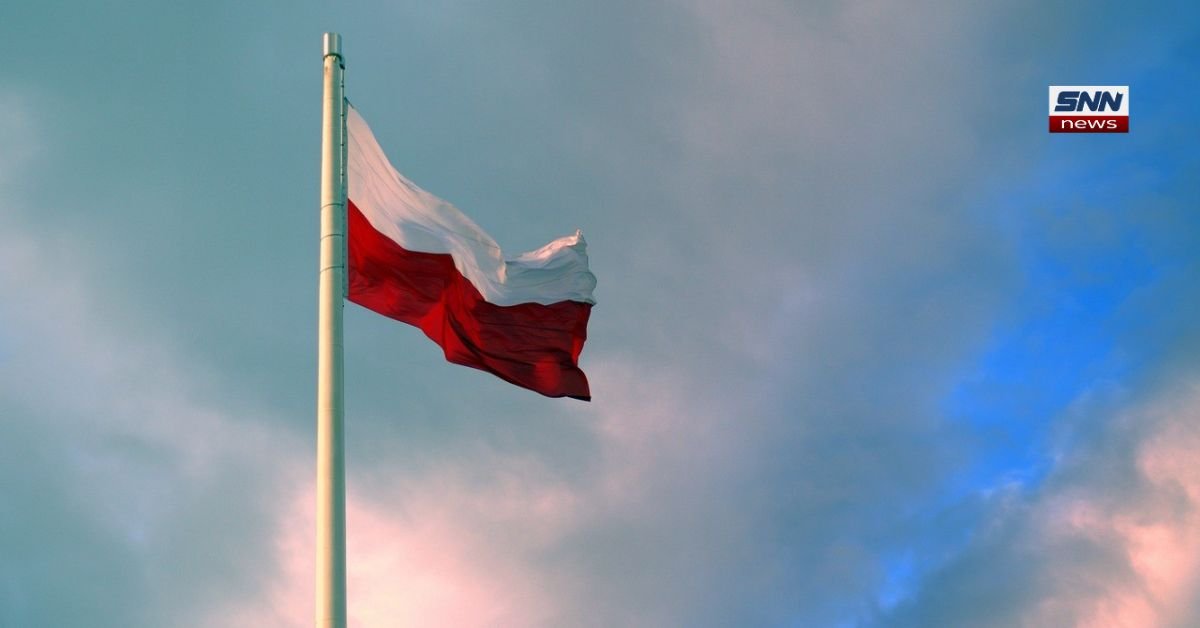
Polish Citizens Returning Home After Years of Emigration
Poland is witnessing a Return significant social and economic shift as growing numbers of Polish citizens return home after years of living abroad.
Many of those who once left for better job opportunities in Western Europe are now choosing to settle back in Poland,driven by stronger economic growth, low unemployment, and improving living standards.
The trend marks a major change from the years following Poland’s Return entry into the European Union in 2004, when millions of Poles moved westward in search of work and financial security.
Why Millions of Poles Left After Joining the EU
When Poland joined Return the European Union in 2004, the country faced serious economic difficulties. At that time, unemployment was above 20%, the highest rate among EU member states.
Jobs were limited, wages were lower than in Western Europe, and many young people struggled to find stable employment.
As a result, millions of Polish citizens moved to countries such as Germany, the United Kingdom, Ireland, Austria, Sweden, and the Netherlands.
These countries offered stronger labor markets, higher salaries, and better economic opportunities.
Many workers took jobs in construction, healthcare, agriculture, transport, and hospitality. Others moved permanently and built families abroad.
Poland’s Economy Has Changed Sharply
Over the past two decades, Poland has transformed into one of Europe’s strongest performing economies.
According to recent estimates, Poland’s Return GDP growth for 2026 is expected to reach 3.5%, more than double the European Union average of 1.4%.
This economic expansion has created more jobs, raised incomes, and increased confidence among returning citizens.
Another major sign of progress is the unemployment rate. As of February 2026, Poland’s unemployment stood at 3.2%, far below the EU average of 5.9%.
Low unemployment often signals a healthy labor market, where businesses are hiring and workers have more choices.
More Poles Leaving Germany, Austria and Sweden Than Arriving
Recent migration data shows a clear reversal in long-standing population movement trends.
For the first time in the 21st century, more Polish citizens left Germany, Austria, and Sweden than arrived there in 2024. The Netherlands joined the same group in 2025.
This means countries that once attracted large numbers of Polish workers are now seeing net departures.
Experts say the reasons include:
- Better employment opportunities in Poland
- Rising living costs in Western Europe
- High housing prices abroad
- Family reunification in Poland
- Improved salaries at home
- Greater remote work opportunities
- Return
Rising Costs in Western Europe Influence Decisions
Inflation and housing shortages in several European countries have made life more expensive for migrant workers.
Rent, food, transportation, and energy costs have increased in many cities across Germany, Sweden, Austria, and the Netherlands. For some Polish families, the financial advantage of working abroad has narrowed.
As wage gaps shrink and costs rise, returning to Poland has become a practical option.
Many returnees also report wanting to be closer to parents, relatives, and cultural roots.
Regional Gaps and Challenges Still Remain
Despite positive national figures, Poland still faces economic challenges.
Living costs have increased in recent years, especially in larger cities such as Warsaw, Krakow, and Gdansk. Housing affordability remains a concern for younger families.
There are also regional inequalities. Some smaller towns and eastern regions continue to offer fewer jobs and lower wages compared with major urban centers.
Analysts say continued investment in infrastructure, education, healthcare, and regional development will be important to sustain long-term growth.
Impact on Poland’s Labor Market and Society
The return of skilled workers could bring several benefits to Poland.
Many returning citizens gained valuable experience abroad in sectors such as:
- Engineering
- Healthcare
- Logistics
- Technology
- Construction
- Hospitality
- Small business management
- Return
Their international skills may help strengthen Poland’s economy and improve productivity.
Population return could also support communities facing demographic decline, especially areas affected by youth migration over previous decades.
Western Europe May Face Worker Shortages
The reverse migration trend may create new labor challenges for some Western European countries.
Polish workers have played an important role in sectors such as transport, agriculture, elderly care, manufacturing, and construction.
If fewer workers remain abroad, employers in some countries may need to recruit labor from other regions or improve wages and working conditions to attract staff.
A Symbolic Turning Point for Poland
For many years, emigration was seen as a necessary path for economic success. Today, the return of Polish citizens reflects how much the country has changed since joining the EU.
From high unemployment in 2004 to one of Europe’s fastest-growing economies in 2026, Poland’s development story is becoming a case study in economic transformation.
While challenges remain, the growing number of returning migrants signals renewed confidence in Poland’s future.
Outlook for the Coming Years
Migration trends often change with economic conditions, wages, and quality of life. If Poland Return continues to create jobs, maintain growth, and improve public services, the return movement may continue.
For many Polish families, the decision is no longer only about leaving for opportunity. Increasingly, it is about coming home.
Poland Unemployment Rate Update
About The Author