
By Hammad Kahlun
Scandinavian news Finland
Incident Raises Environmental and Security Concerns in Northern Europe
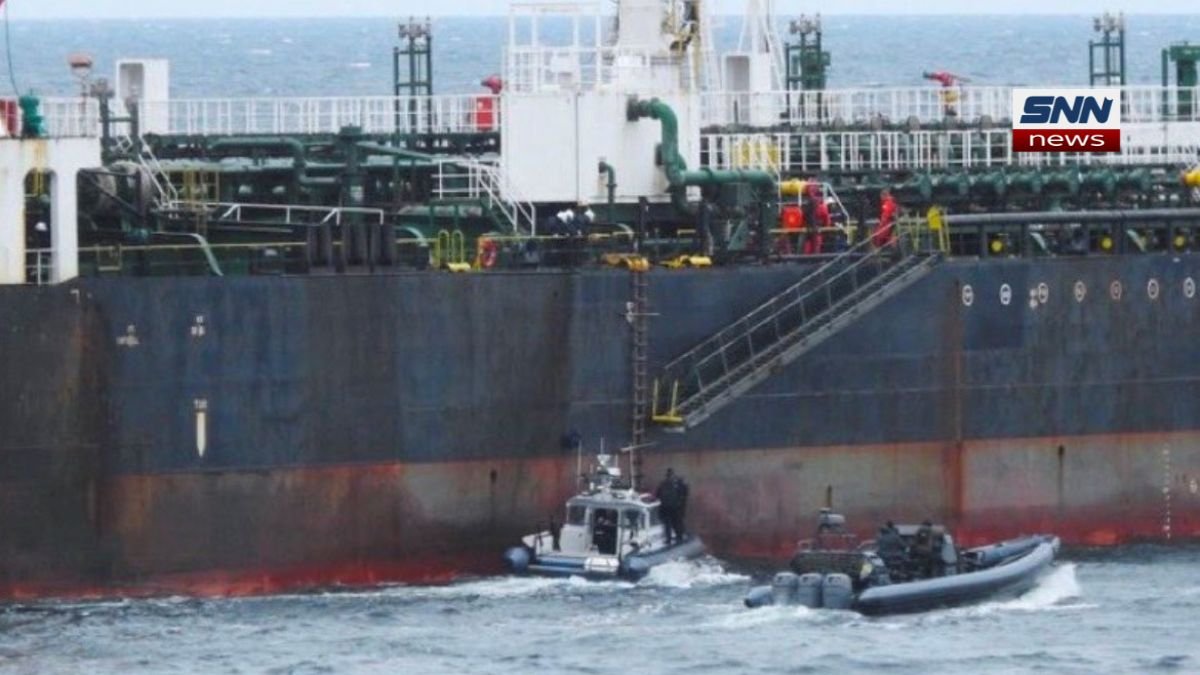
Swedish Forces authorities have seized a Russian-linked oil tanker, FLORA 1, after it was suspected of causing an oil spill off the country’s coastline.
The operation, carried out by Swedish forces, highlights growing concerns over aging vessels associated with Russia’s so-called “shadow fleet” and their potential risks to both environmental safety and regional security.
The incident occurred in the Baltic Sea near Sweden’s coast, where authorities detected signs of oil pollution.
Acting swiftly, Swedish forces boarded the tanker and took control of the vessel as part of an ongoing investigation into the spill.
Officials are now assessing the extent of environmental damage and determining the tanker’s compliance with international maritime regulations.
What Happened: Oil Spill Triggers Swift Action
Initial reports indicate that FLORA 1, an older oil tanker linked to Russia’s shadow fleet, may have been responsible for the discharge of oil into nearby waters.
Swedish maritime authorities identified the spill through routine monitoring systems and quickly traced its origin to the vessel.
Following this discovery, Swedish forces intervened by boarding the tanker. The ship was subsequently seized to prevent further environmental harm and to allow investigators to gather evidence.
Authorities have not yet confirmed the full scale of the spill. However, early assessments suggest that even a moderate discharge in the Baltic Sea can have serious ecological consequences due to the region’s relatively enclosed waters and sensitive marine ecosystem.
Understanding Russia’s ‘Shadow Fleet’
The term “shadow fleet” refers to a network of aging oil tankers often used to transport Russian crude oil outside of traditional regulatory frameworks. These vessels are typically:
- Old and poorly maintained
- Registered under obscure or changing ownership structures
- Operating under flags of convenience
- Lacking proper insurance or safety compliance
- Swedish Forces
Since the imposition of Western sanctions on Russian oil exports, the use of such vessels has increased significantly. This has raised alarms among European governments and maritime safety organizations.
Experts warn that these ships pose dual risks:
- Environmental Threats – Aging infrastructure increases the likelihood of leaks, spills, and mechanical failures.
- Security Concerns – Unregulated shipping activities can complicate maritime surveillance and enforcement efforts in strategic regions like the Baltic Sea.
Environmental Risks in the Baltic Sea
The Baltic Sea is particularly vulnerable to oil spills due to its unique geographical and ecological characteristics.
Unlike open oceans, it has limited water exchange, meaning pollutants can remain in the ecosystem for extended periods.
Environmental experts emphasize that oil contamination in this region can:
- Harm marine life, including fish, birds, and mammals
- Damage coastal habitats and fisheries
- Affect tourism and local economies
- Take years, or even decades, to fully recover
- Swedish Forces
Swedish environmental agencies are currently monitoring the affected area and deploying response measures if necessary.
Cleanup operations, if required, could involve specialized vessels and containment equipment to minimize long-term damage.
Swedish Authorities Respond
Swedish officials have taken a firm stance following the incident. By seizing the tanker, authorities aim to send a clear message about enforcing maritime safety and environmental protection standards.
In a preliminary statement, officials indicated that the investigation will focus on:
- The exact cause of the oil spill
- The vessel’s maintenance and safety record
- Compliance with international maritime laws
- Potential liability and penalties
- Swedish Forces
The crew of FLORA 1 is also expected to be questioned as part of the inquiry. Legal proceedings could follow if violations are confirmed.
Growing Pressure on Shadow Fleet Operations
This incident adds to increasing scrutiny of Russia’s shadow fleet across Europe. Governments and international organizations have expressed concern that these vessels undermine global shipping standards.
Recent developments have included:
- Enhanced maritime surveillance in the Baltic and North Seas
- Calls for stricter enforcement of environmental regulations
- Discussions on tightening sanctions enforcement mechanisms
- Increased cooperation between European coastal states
- Swedish Forces
Analysts believe that incidents like the seizure of FLORA 1 may lead to broader policy changes aimed at reducing risks associated with unregulated oil transport.
Wider Implications for European Security
Beyond environmental concerns, the presence of shadow fleet vessels in European waters has strategic implications. The Baltic Sea is a critical maritime corridor, and increased activity by unregulated ships can complicate regional security dynamics.
Security experts point out that:
- Tracking such vessels is often difficult due to limited transparency
- They may operate without standard identification systems
- Their activities can overlap with geopolitical tensions involving Russia
- Swedish Forces
As a result, European nations are investing in improved maritime monitoring technologies and intelligence-sharing frameworks.
Public and Policy Impact
The seizure of FLORA 1 is likely to influence both public opinion and policy discussions in Sweden and across Europe.
Environmental groups have already called for stricter oversight of maritime traffic, particularly vessels linked to sanctioned oil trade.
For policymakers, the incident underscores the need to balance economic considerations with environmental protection and national security.
Potential outcomes could include:
- Stricter inspections of high-risk vessels
- Expanded sanctions targeting shadow fleet networks
- Greater international coordination on maritime safety standards
- Swedish Forces
Conclusion
The boarding and seizure of the Russian-linked oil tanker FLORA 1 by Swedish forces marks a significant development in addressing the risks posed by shadow fleet operations.
While the full extent of the oil spill is still under investigation, the incident highlights the urgent need for stronger oversight and enforcement in European waters.
As authorities continue their inquiry, the case is expected to contribute to broader efforts aimed at safeguarding the Baltic Sea’s fragile ecosystem and maintaining maritime security in the region.
Swedish forces action against shadow fleet oil tankers
About The Author