

By Shumaila Aslam
Scandinavian News Finland
Bureau Chief Pakistan
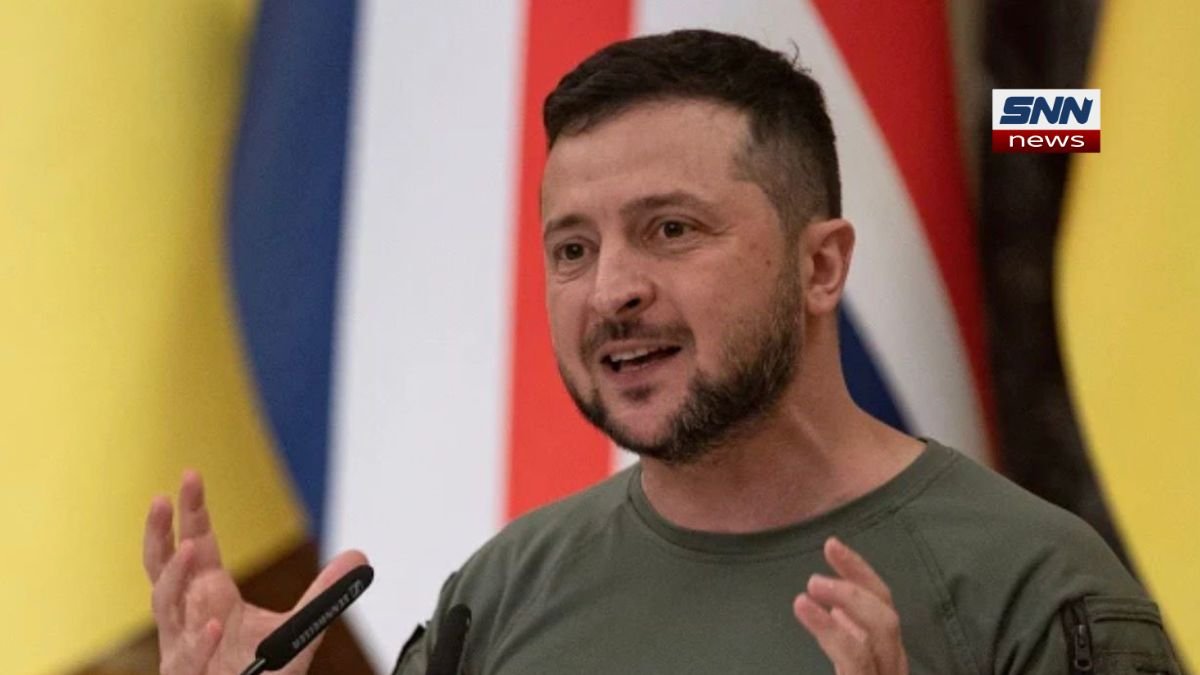
Ukrainian President Volodymyr Zelen skyy has raised fresh alarms over a growing security threat in the Middle East, claiming that Russia is reportedly sharing intelligence with Iran, enabling Tehran to target U.S.
Allegations of Intelligence Sharing
In a recent interview, Zelen skyy suggested that Russia’s collaboration with Iran goes beyond political alignment, extending to critical military intelligence.
According to him, this intelligence allows Iranian forces or affiliated groups to plan and carry out precise operations against U.S. and allied forces stationed throughout the Middle East.
- The information reportedly includes troop movements, base locations, and operational timelines.
- Zelen skyy emphasized that this cooperation represents a serious escalation, potentially destabilizing regional security.
- Intelligence
While these claims are yet to be independently verified, they align with ongoing concerns among Western intelligence agencies about the expanding strategic partnership between Russia and Iran, especially amid heightened tensions in Ukraine and the broader geopolitical landscape.
Context: Iran-Russia Military Cooperation
Russia and Iran have historically maintained a pragmatic relationship, particularly in conflicts where both nations share interests.
The Syrian civil war, for instance, saw both countries supporting the Assad regime, often coordinating military and intelligence efforts.
- Recent reports suggest that this cooperation is evolving to include direct intelligence sharing on U.S. military operations in countries such as Iraq, Syria, and Afghanistan.
- Analysts note that Iran’s regional influence through proxy groups like Hezbollah and various Shia militias could amplify the impact of any shared intelligence.
Experts warn that intelligence sharing of this scale could allow Iran to conduct targeted drone strikes, missile attacks, or sabotage operations against U.S. bases, potentially raising the stakes for American forces deployed in volatile regions.
Implications for U.S. Military Strategy
The alleged intelligence sharing has several potential consequences for U.S. and allied forces:
- Increased Threats – Bases across Iraq, Syria, and the Gulf could face more frequent and precise attacks.
- Operational Revisions – The U.S. may need to adjust troop deployments, improve surveillance, and enhance base security protocols.
- Regional Diplomacy – Washington may strengthen ties with Gulf allies and other regional partners to counterbalance Iran’s influence.
The Pentagon has not publicly confirmed Zelenskyy’s claims but continues to monitor developments closely. U.S. defense officials acknowledge that Iranian proxy activity remains a persistent challenge, and any new intelligence sharing with Russia would intensify security concerns.
Broader Geopolitical Context
This revelation comes amid heightened tensions in Europe following Russia’s ongoing conflict with Ukraine.
Western nations have already imposed sanctions on Moscow, while Iran faces its own international scrutiny over its nuclear program and regional activities.
- Some analysts argue that Russia may be seeking alternative alliances to circumvent sanctions and gain leverage against the U.S.
- For Iran, access to Russian intelligence could enhance its regional deterrence capabilities, especially against U.S. forces and Israeli targets.
Such developments underscore the interconnectedness of global security threats, where actions in one region can have ripple effects across continents.
Experts note that Middle East stability is increasingly tied to European and Eastern conflicts, making intelligence sharing an issue of global concern.
Public and Regional Impact
The potential targeting of U.S. forces has significant implications for local populations and allied nations:
- Civilians near military bases could face heightened risks due to possible attacks.
- Regional economies may be affected if security concerns disrupt trade and energy supplies.
- Diplomatic relations may experience strain as nations navigate the complex web of alliances and threats.
Security analysts recommend increased transparency, intelligence sharing among allies, and strengthened defensive measures to mitigate potential risks.
Looking Ahead
While Zelenskyy’s claims raise serious concerns, independent verification is essential.
Western intelligence agencies, including NATO partners, are reportedly examining satellite data, communications intercepts, and other sources to assess the credibility of the allegations.
- If confirmed, the intelligence sharing could lead to new sanctions, military adjustments, or coordinated diplomatic measures targeting Russia and Iran.
- The situation highlights the importance of early warning systems and international cooperation in addressing emerging threats.
In conclusion, Zelen skyy’s warning underscores a growing security dilemma in the Middle East, where Russia-Iran cooperation could pose a direct threat to U.S. forces.
Monitoring, verification, and strategic planning are crucial as governments navigate this increasingly complex geopolitical landscape.
Related Middle East security reports, U.S. military strategy updates, Russia-Ukraine conflict analysis
About The Author