
By Riffat Kausar
Snn News Finland
Diplomatic Tensions Rise After Sharp Remarks on Germany’s Foreign Policy
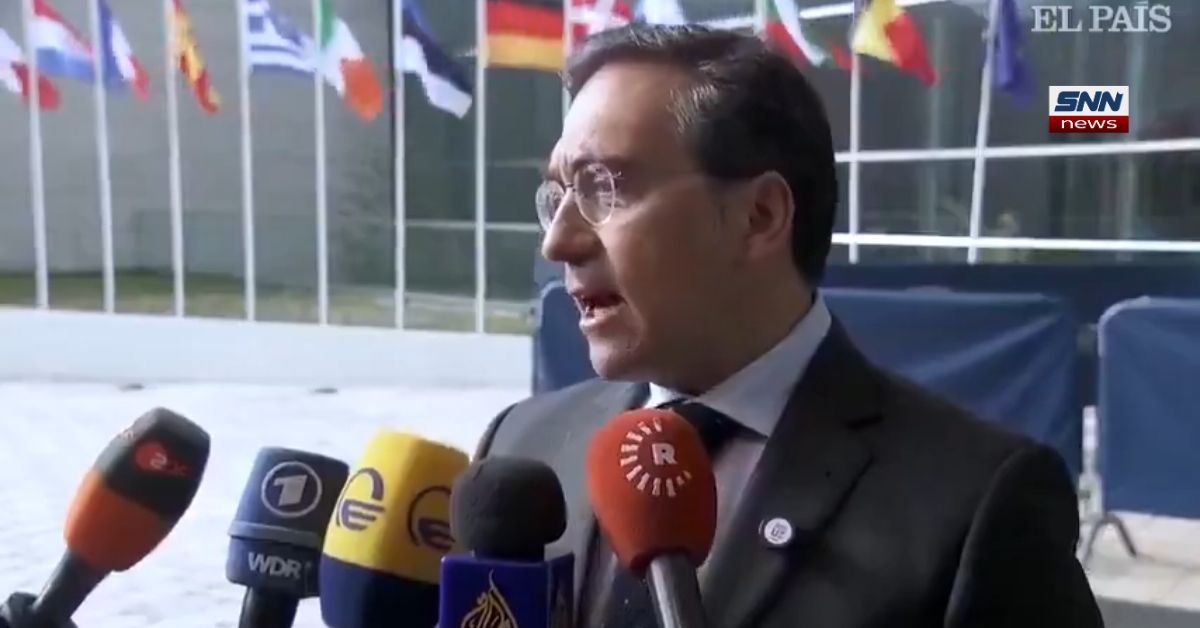
A new diplomatic controversy has emerged in Europe after Spain’s Foreign Minister strongly criticized Germany’s position on the wars in Ukraine and Palestine.
The remarks, which accused Germany of using different standards in international conflicts, have sparked debate about Europe’s foreign policy consistency and the role of major EU states in global crises.
The comments focused on how Germany responds to Russia’s invasion of Ukraine compared with its reaction to the humanitarian crisis in Palestine.
According to the statement, Germany presents itself as a moral authority on Ukraine but remains silent or less vocal on Palestine-related issues.
The criticism has drawn attention across Europe because both Spain and Germany are key members of the European Union, and differences between member states can influence broader EU foreign policy decisions.
What the Spanish Foreign Minister Said
The Spanish Foreign Minister said that when it comes to Ukraine, Germany behaves like a moral guardian, but when it comes to Palestine, it acts like the “three wise monkeys,” a phrase commonly used to describe ignoring injustice or refusing to acknowledge a problem.
The minister further described Germany’s approach as hypocritical and disappointing. The statement was widely circulated in media and political discussions because it directly challenged Berlin’s credibility on human rights and international law.
Although political criticism between allies is not unusual, such strong language between senior officials of major EU countries is less common and may increase diplomatic pressure.
Why the Remarks Matter
Germany is one of Europe’s most influential countries and plays a central role in EU policy, NATO security matters, and international diplomacy. Spain is also a significant EU member with growing influence on Mediterranean and Middle East policy.
Public disagreement between the two countries matters because it highlights divisions inside Europe over:
- The war in Ukraine
- Israel-Palestine conflict
- Human rights policy
- Arms exports and sanctions
- International law enforcement
- EU diplomatic unity
- Foreign
When leading European states disagree publicly, it can weaken the image of a united foreign policy bloc.
Germany’s Position on Ukraine
Since Russia’s full-scale invasion of Ukraine in 2022, Germany has become one of Kyiv’s strongest supporters. Berlin has provided military equipment, humanitarian aid, economic assistance, and political backing.
Germany has also supported EU sanctions against Russia and repeatedly defended Ukraine’s sovereignty. German leaders often frame the conflict as a defense of international law and European security.
This has led some critics to argue that Germany speaks strongly when European security is involved but uses softer language in other international conflicts.
Germany’s Position on Palestine
Germany has historically maintained close ties with Israel and often emphasizes Israel’s right to security. At the same time, Berlin has also supported humanitarian aid and a two-state solution.
However, critics inside and outside Europe say Germany has been more cautious in criticizing Israeli military actions in Gaza and the occupied Palestinian territories.
This broader debate likely forms the background of the Spanish minister’s criticism.
Growing Debate on Double Standards
The issue of double standards has become a major topic in global diplomacy. Many countries in the Global South, activists, and policy experts argue that Western governments respond differently depending on the region, ally, or strategic interest involved.
Common examples raised in debate include:
Ukraine
Strong sanctions, military aid, political unity, and clear condemnation of invasion.
Palestine
Calls for restraint, humanitarian concern, but less unified political pressure.
Public Reaction
Citizens across Europe increasingly compare these responses and ask whether human rights principles are applied equally.
Impact on European Union Unity
The European Union often seeks a common foreign policy position, but member states have different histories, political priorities, and alliances.
Spain has generally taken a more outspoken position on Palestinian rights than some other European countries.
Germany, because of its historical responsibility linked to the Holocaust, often approaches Israel-related matters with special caution.
These differences can create tensions during EU meetings, votes, and joint statements.
Possible Diplomatic Consequences
While one statement may not create a major crisis, strong public criticism can have effects such as:
- Strained bilateral relations
- Harder negotiations inside EU institutions
- Increased media pressure on governments
- Public debate over ethics and consistency
- Demands for clearer policy positions
- Foreign
Diplomats usually prefer resolving disagreements privately, making this public exchange especially notable.
Public Response Across Europe
The comments have generated mixed reactions.
Some observers supported the criticism, saying European governments should defend international law consistently.
Others argued that the language was too harsh for diplomacy and could damage cooperation between EU allies during a period of security challenges.
Political analysts note that foreign ministers sometimes use direct language to influence domestic audiences as well as international partners.
Wider Context: Europe Under Pressure
Europe is currently dealing with several simultaneous crises:
- Russia’s war in Ukraine
- Middle East instability
- Energy security concerns
- Migration pressures
- Defense spending debates
- Internal political divisions
Because of these overlapping issues, disagreements among EU states are receiving more public attention than usual.
What Germany May Do Next
Germany may choose not to respond directly, as governments often avoid escalating verbal disputes. Alternatively, Berlin could restate its positions on humanitarian law, Ukraine support, and Middle East peace efforts.
Officials may also continue working privately with Spain and other EU partners to preserve diplomatic unity.
What Happens Next
The controversy reflects a larger question facing Europe: can the EU apply the same moral and legal standards to every international conflict?
As wars continue in Ukraine and the Middle East, European governments are likely to face growing scrutiny over consistency, credibility, and human rights policy.
For Spain, Germany, and the wider EU, the debate is no longer only about diplomacy—it is also about public trust and global reputation.
Foreign policy Europe latest, Germany Spain diplomatic tensions, Foreign ministers EU dispute, Ukraine Palestine Europe reaction, EU foreign affairs news
About The Author