
By Shumaila Aslam
Scandinavian News Finland
Bureau Chief Pakistan
UK Distances Itself from US Plan for Maritime Restrictions Near Iran
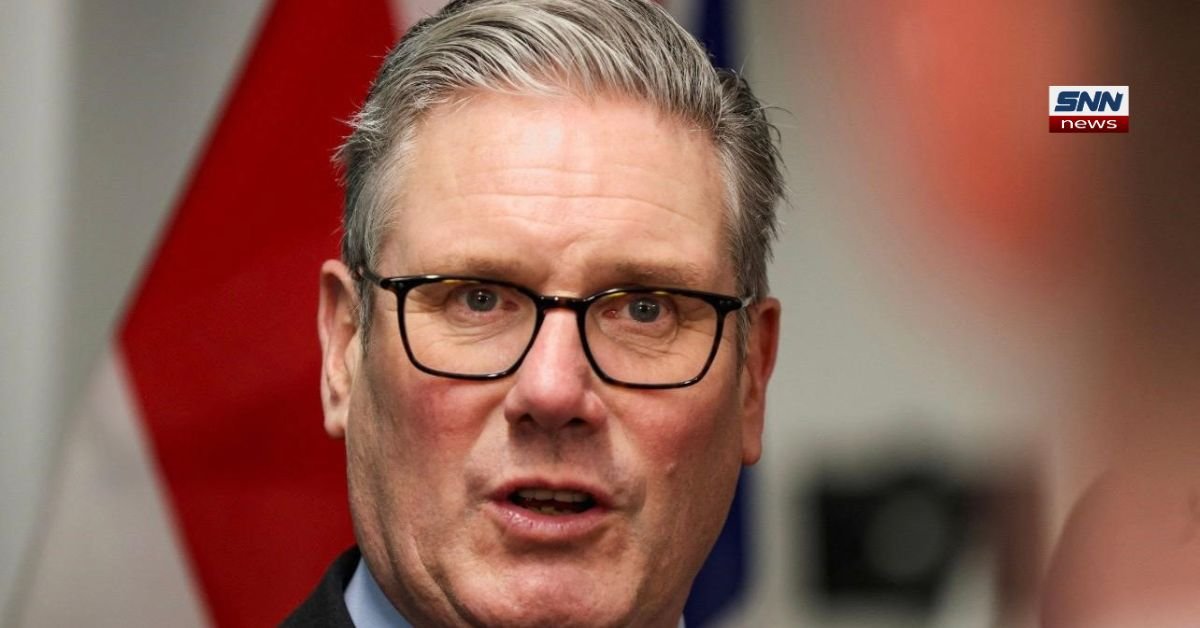
British Prime Minister Keir Starmer has confirmed that the United Kingdom does not support any US-led blockade of the Strait of Hormuz, amid growing tensions between Washington and Tehran.
Speaking to BBC Radio 5 Live, Starmer said Britain would not be involved in the Iran conflict or any move that disrupts one of the world’s most important shipping routes.
His remarks come after reports that the United States is Support considering restricting maritime movement to and from Iranian ports following the failure of recent diplomatic talks aimed at easing the conflict.
The development has raised fresh concerns over global energy security, international trade stability, and the risk of wider regional escalation in the Middle East.
Starmer stressed that keeping the Strait of Hormuz open is essential for global stability. He added that the UK would not be “dragged into” military escalation and that maintaining free maritime passage remains a priority for international peace and trade.
Starmer Clarifies UK Position on Hormuz Strait Situation
The statement from Prime Minister Keir Starmer highlights a clear difference in approach between London and Washington over handling the Iran crisis. While the US appears to be moving toward stronger naval pressure, the UK is taking a more cautious diplomatic stance.
Key points from Starmer’s position include:
- Britain will avoid direct involvement in military escalation with Iran
- Diplomatic engagement remains the preferred solution
- Support
Officials in London are reportedly monitoring the situation closely while continuing coordination with allies, but without committing to the proposed US maritime restrictions.
The position reflects concerns in parts of the international community that further military pressure in the Gulf region could destabilize global oil routes and increase economic uncertainty.
Significance of the Strait of Hormuz in International Trade and Energy Supply
The Strait of Hormuz is widely considered one of the most strategic maritime chokepoints in the world. It lies between Iran and Oman and connects the Persian Gulf with the Gulf of Oman and the Arabian Sea.
This narrow waterway plays a critical role in global energy transportation:
- Large volumes of crude oil pass through the strait daily
- Liquefied natural gas (LNG) shipments rely heavily on this route
- It links major oil-producing countries in the Gulf with global markets
- Support
Because of its importance, even minor disruptions in the Strait of Hormuz can have immediate global effects. These include rising fuel prices, increased shipping costs, and pressure on international supply chains.
Historically, tensions in this region have often led to volatility in global energy markets. Even the possibility of restrictions has previously pushed oil prices higher due to fears of supply disruption.
US Military Approach and Rising Regional Tensions
Reports suggest that the US military is preparing to limit maritime traffic linked to Iranian ports following unsuccessful diplomatic discussions over the weekend. These talks reportedly failed to produce any agreement to reduce tensions or end the ongoing conflict.
The potential shift toward stronger military measures has raised serious concerns internationally, particularly regarding stability in the Gulf region.
Major risks linked to this approach include:
- Increased chance of naval confrontation in the region
- Possible retaliation affecting commercial shipping routes
- Threats to global oil and gas supplies
- Wider instability across the Middle East
- Support
Iran has previously warned that restricting its maritime access could trigger countermeasures in the same strategic waterways, raising fears of escalation involving multiple countries.
UK’s Diplomatic Approach and Global Reactions
The UK’s refusal to support a blockade reflects its traditional focus on maintaining open sea routes and avoiding direct military involvement in regional conflicts.
British foreign policy has long emphasized freedom of navigation and de-escalation in sensitive maritime zones.
By taking this position, the UK is signaling:
- Preference for diplomacy over military escalation
- Concern about global economic consequences
- Commitment to maritime security without entering conflict
- Support
Reactions from the international community remain divided. Some countries support stronger pressure on Iran, while others warn that any blockade could trigger a wider conflict and disrupt global energy supplies.
Analysts also suggest the UK may be trying to avoid deeper involvement in a potentially prolonged and unpredictable regional conflict.
Economic Risks and Global Market Concerns
The Strait of Hormuz is a critical route for global energy supplies, and any disruption can quickly impact international markets. Even discussions about a possible blockade often lead to financial uncertainty.
Possible economic impacts include:
- Sharp increases in global oil prices
- Higher shipping and insurance costs in the Gulf region
- Inflationary pressure in energy-importing countries
- Disruptions to global supply chains
- Support
Energy experts warn that prolonged instability could have widespread consequences for economies dependent on imported oil and gas.
Shipping companies may also face delays, rerouting, and higher operational risks due to heightened military presence in the region.
Wider Geopolitical Impact of the Crisis
The growing divide between US strategy and UK policy highlights deeper differences in how Western allies are approaching the Iran situation.
The Strait of Hormuz remains a sensitive geopolitical flashpoint with global implications.
Key broader implications include:
- Reduced coordination among Western allies on Iran policy
- Increased risk of regional proxy conflicts
- Possible involvement of additional Middle Eastern powers
- Uncertainty over long-term maritime security arrangements
- Support
Experts say the Strait of Hormuz has historically been one of the most sensitive points in global geopolitics. Any military action affecting the area could quickly draw in multiple international stakeholders, particularly energy-importing nations.
While diplomatic channels remain open, the situation continues to develop rapidly, with no clear resolution in sight.
Conclusion: UK Pushes for Restraint Amid Rising Tensions
Prime Minister Keir Starmer’s decision to reject UK support for a US-backed blockade underscores growing international divisions over how to handle the Iran crisis.
As tensions continue to rise, the Strait of Hormuz remains a key focus of global concern due to its importance for energy transport and international trade.
With markets and governments closely watching developments, the coming days may prove critical in determining whether diplomacy can prevent further escalation or whether the situation moves toward deeper regional instability.
For now, the UK has taken a clear position in favor of restraint, dialogue, and maintaining open maritime routes essential for global economic stability.
Strait of Hormuz supports global trade and energy supply chain through a critical international maritime shipping route.
About The Author