

By Shumaila Aslam
Scandinavian News Finland
Bureau Chief Pakistan
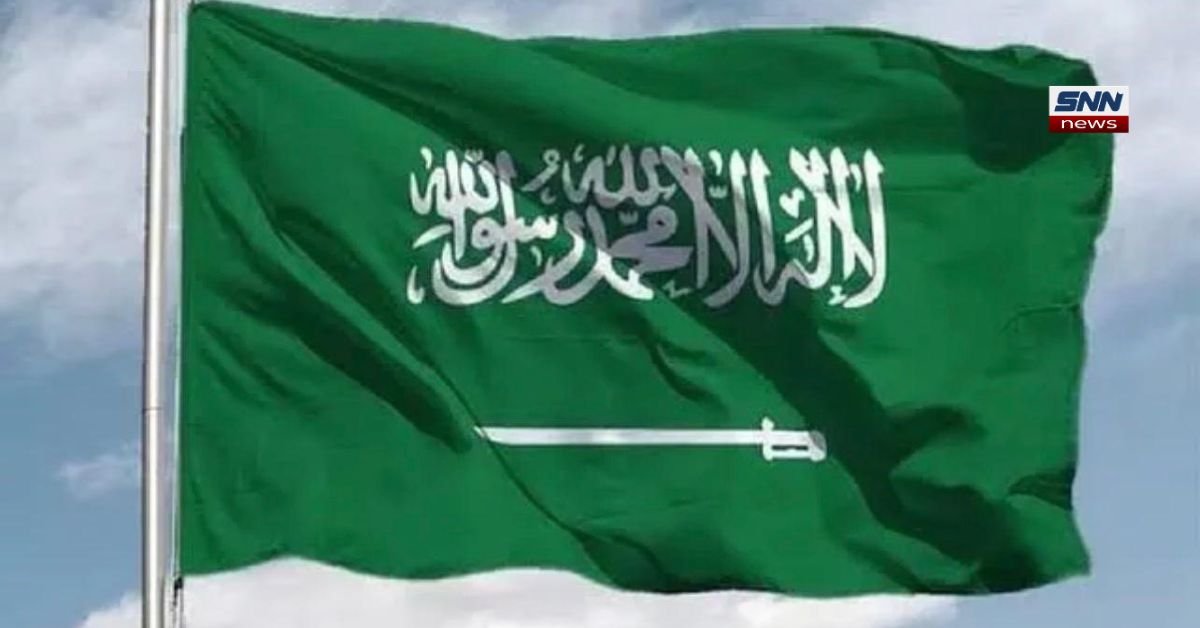
Saudi Arabia Calls for Diplomatic Solution Amid Rising Gulf Security Risks
Saudi Arabia has reportedly urged the United States to avoid escalating tensions over the Strait of Hormuz and to return to diplomatic talks with Iran.
The appeal comes amid growing fears that instability in the Gulf region could threaten global oil supply routes and energy security.
According to regional diplomatic sources, Riyadh is concerned that continued confrontation in the region could trigger wider disruptions in maritime trade, especially through critical shipping lanes used for oil exports.
The development highlights increasing anxiety among Gulf states over the security of key waterways, particularly the Strait of Hormuz and the Bab el-Mandeb Strait.
Why the Strait of Hormuz Is Strategically Important
A significant portion of global oil exports passes through this narrow waterway, making it essential for international energy stability.
Key facts about the Strait of Hormuz:
- Major oil-producing countries rely on it for exports
- Any disruption can immediately affect global oil prices
- It is heavily monitored due to past geopolitical tensions
Saudi Arabia, Iran, the United Arab Emirates, and other Gulf nations depend on uninterrupted access through this route for economic stability.
Concerns Over Possible Blockade Risks
Saudi officials are reportedly worried that rising tensions between the United States and Iran could increase the risk of disruption in maritime trade routes.
One of the key concerns is that Iran may use its influence in the region to pressure allied groups, including the Houthi movement in Yemen.
The fear is that instability could extend beyond the Strait of Hormuz and affect another critical waterway, the Bab el-Mandeb Strait.
Bab el-Mandeb Strait: Another Critical Shipping Route
The Bab el-Mandeb Strait connects the Red Sea to the Gulf of Aden and is a major passage for global shipping, including oil tankers traveling to Europe and Asia.
Saudi Arabia’s concern is that if both the Strait of Hormuz and Bab el-Mandeb Strait face disruption, the consequences could be severe for global trade.
Potential risks include:
- Sharp increase in global oil prices
- Delays in international shipping
- Higher insurance costs for cargo vessels
- Disruption of energy supplies to Europe and Asia
- Economic pressure on Gulf economies
- Strait
Saudi Arabia’s Diplomatic Position
Riyadh’s reported message to Washington reflects a broader strategy focused on regional stability and economic security.
Saudi Arabia has been attempting to balance its relations with both Western allies and regional powers, including Iran.
In recent years, Saudi Arabia has also engaged in diplomatic outreach with Iran to reduce tensions after years of rivalry in the Middle East.
Analysts say the current situation shows that Gulf states are increasingly prioritizing de-escalation to protect economic interests.
Iran and Regional Influence
Iran remains a central player in Middle Eastern geopolitics. Its relationship with the United States and Saudi Arabia has been marked by long-standing tensions, particularly over nuclear policy, regional influence, and military presence in the Gulf.
Iran-aligned groups in the region, including the Houthis in Yemen, have previously been linked to attacks on shipping routes and infrastructure, raising concerns among Gulf states and international observers.
While Iran denies direct involvement in such actions, the perception of risk continues to affect diplomatic discussions.
Global Oil Market Impact
Energy experts warn that any disruption in either of the two key waterways could have immediate effects on global oil markets.
Possible market consequences:
- Sudden rise in crude oil prices
- Increased volatility in energy trading
- Pressure on global inflation rates
- Supply chain disruptions in fuel-dependent industries
- Strait
Because a large portion of the world’s oil supply passes through these routes, even small disruptions can lead to significant economic reactions.
US Role and International Diplomacy
The United States plays a key role in Gulf security, often deploying naval forces to protect international shipping routes. However, increased military presence in the region has also contributed to rising tensions with Iran.
Saudi Arabia’s reported call for restraint suggests a preference for diplomatic engagement rather than escalation.
Observers say that Gulf countries are concerned that any military confrontation could destabilize the entire region and directly impact their economies.
Broader Geopolitical Context
The situation reflects a wider pattern of instability in the Middle East, where multiple conflicts and rivalries intersect. These include:
- Iran–US nuclear negotiations
- Yemen conflict and Houthi activity
- Gulf security alliances
- Global energy market dependence
- Strait
Each of these factors contributes to uncertainty in international trade and energy supply chains.
What Happens Next
At this stage, no official policy change has been announced, but diplomatic discussions are expected to continue between regional and international actors.
Saudi Arabia’s message signals a push for calm and negotiation, emphasizing that stability in maritime routes is essential for both regional economies and the global energy system.
As tensions remain high, attention will focus on whether diplomatic efforts can reduce risks to the Strait of Hormuz and the Bab el-Mandeb Strait, or whether geopolitical competition will continue to shape the future of global energy security.
Saudi Arabia US Iran Strait of Hormuz tensions, Bab el-Mandeb Strait security concerns, global oil supply risks Middle East, Yemen Houthis maritime conflict, Gulf region energy crisis updates
About The Author