
By Hammad Kahlun
Scandinavian news Finland
Hungary Election Politics Shift as Peter Magyar Backs ICC Decision on Netanyahu
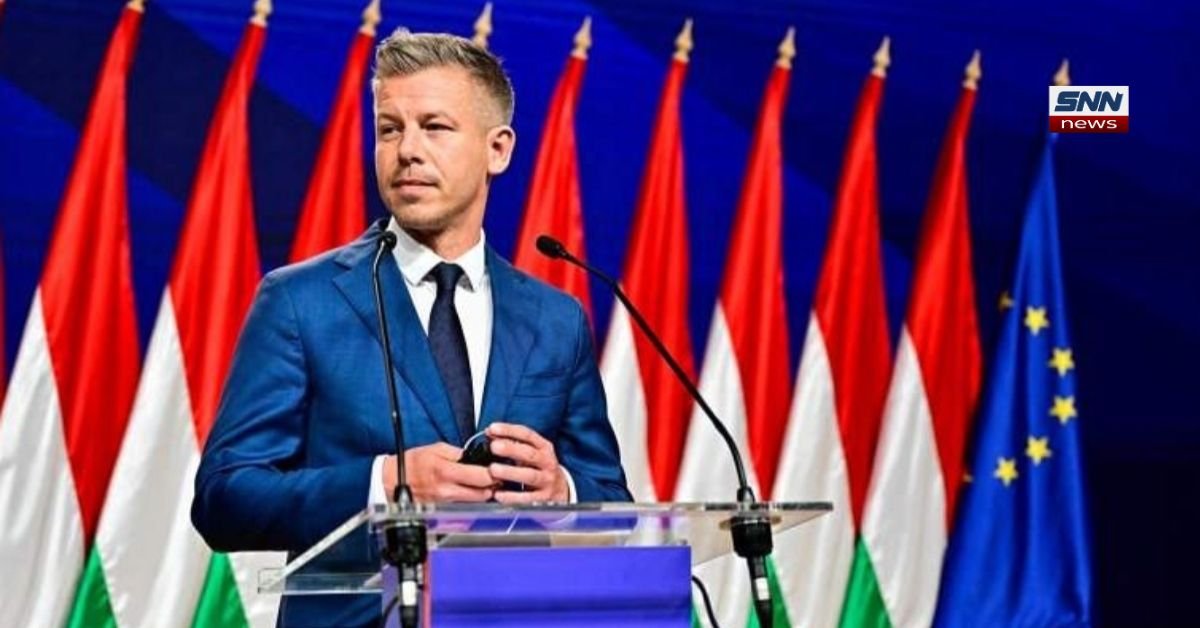
Hungary’s opposition leader and prime minister hopeful Peter Magyar has said that Israeli Prime Minister Benjamin Netanyahu would be arrested if he enters Hungary while an International Criminal Court (ICC) warrant remains in force.
The statement marks a major contrast with the current Hungarian government and has triggered fresh debate over international law, diplomacy, and Hungary’s future foreign policy.
Magyar, who has emerged as one of the strongest challengers to Prime Minister Viktor Orbán, said Hungary should respect international legal obligations.
His comments are being closely watched across Europe because Hungary has often taken positions different from many European Union partners on foreign affairs.
The issue has now become part of Hungary’s domestic political debate ahead of future elections, with analysts saying it could influence relations with the EU, Israel, and international institutions.
What Peter Magyar Said About Netanyahu and the ICC
Peter Magyar reportedly stated that if he becomes prime minister, Hungary would honor the ICC process and any valid warrant issued by the court. Under that position, Netanyahu would face arrest if he entered Hungarian territory while the warrant remained active.
The remarks are significant because they indicate a possible policy change from the current administration, which has often criticized international bodies and taken an independent diplomatic line.
Magyar’s comments suggest that his government would seek stronger alignment with European legal standards and treaty commitments.
Why the Statement Matters
Hungary is a member of the European Union and a signatory to international agreements that can carry legal responsibilities. Therefore, the position of a future Hungarian government on ICC rulings is not only symbolic but also legally and diplomatically important.
The statement matters for several reasons:
- It signals a possible foreign policy shift in Hungary
- It raises questions about Hungary-Israel relations
- It places international law into election debate
- It may affect Hungary’s image inside the EU
- It adds pressure on current leadership positions
Background on the ICC and Netanyahu
The International Criminal Court investigates serious international crimes, including war crimes and crimes against humanity.
Any warrant linked to a sitting leader becomes politically sensitive because it can affect diplomatic travel and bilateral relations.
Benjamin Netanyahu has strongly rejected accusations made against him and criticized legal actions involving Israel. Israeli officials have repeatedly challenged the legitimacy of such proceedings.
The ICC does not have its own police force and depends on member states to enforce warrants when individuals enter their territory.
Hungary’s Current Government and Israel Ties
Prime Minister Viktor Orbán has maintained warm ties with Netanyahu and Israel for years. Hungary has often supported Israel in European political discussions and has opposed some EU statements seen as critical of the Israeli government.
Because of that history, Peter Magyar’s statement has drawn extra attention. It suggests that if power changes hands, Hungary could move toward a more traditional EU legal and diplomatic approach.
Political observers say this issue reflects a broader debate inside Hungary over whether the country should continue Orbán’s independent model or return closer to mainstream EU policy positions.
Who Is Peter Magyar?
Peter Magyar has become a major political figure in Hungary after gaining public support as a reform-oriented challenger. He has criticized corruption, governance standards, and the direction of national politics.
His rise has attracted voters looking for change after years of Orbán-led rule. Many see him as one of the first opposition figures in years capable of seriously challenging the current government.
By speaking on international legal matters, Magyar appears to be presenting himself as a leader prepared to restore Hungary’s credibility abroad.
Reactions Across Europe
European officials and analysts are likely to view Magyar’s statement as a sign that Hungary’s future politics may become more aligned with EU institutions.
Hungary has frequently clashed with Brussels on rule of law, migration, and foreign policy matters.
If a future Hungarian government openly supports ICC obligations, it could improve relations with some EU partners while creating tensions with others that oppose the court’s actions.
Possible reactions may include:
European Union
Some member states may welcome stronger legal cooperation from Budapest.
Israel
Israeli officials could see the remarks as hostile or politically motivated.
Human Rights Groups
International legal advocates may praise support for court decisions.
Hungarian Voters
Domestic voters may split depending on whether they prioritize sovereignty or international commitments.
Could Netanyahu Visit Hungary?
At present, there is no confirmed plan regarding any future Netanyahu visit to Hungary. However, the political discussion has already become symbolic.
Even without an actual visit, the issue raises larger questions:
- Would Hungary enforce international warrants?
- Can foreign policy become an election issue?
- Will Hungary’s next government change alliances?
- How far should courts influence diplomacy?
Public Impact Inside Hungary
Although the issue involves global politics, it also connects to everyday concerns inside Hungary. Many voters want stable international ties, investment confidence, and constructive EU relations.
A government seen as isolated internationally can face economic and diplomatic pressure. On the other hand, leaders who challenge outside institutions may gain support from nationalist voters.
That balance is likely to remain central in Hungary’s next election cycle.
Hungary, EU Politics, and Rule of Law Debate
Hungary has faced repeated disputes with the EU over judicial independence, media freedom, and governance standards. Peter Magyar’s statement may be designed to reassure European partners that a new government would respect international institutions.
Experts say foreign policy messages often matter during elections because they show how a leader would govern under pressure.
What Happens Next
The next steps depend largely on Hungary’s political timeline and election momentum. If Peter Magyar continues to rise in polls, his comments on the ICC and Netanyahu may receive more international scrutiny.
For now, the statement has placed Hungary at the center of a wider debate involving international justice, sovereignty, and future leadership in Europe.
Whether voters prioritize domestic reform or foreign policy alignment could help shape Hungary’s next government—and its role on the world stage.
Hungary politics latest, Peter Magyar election updates, Netanyahu ICC warrant news, EU legal affairs, Hungary foreign policy changes
About The Author