
By Shumaila Aslam,
Bureau Chief Pakistan
Scandinavian News Agency
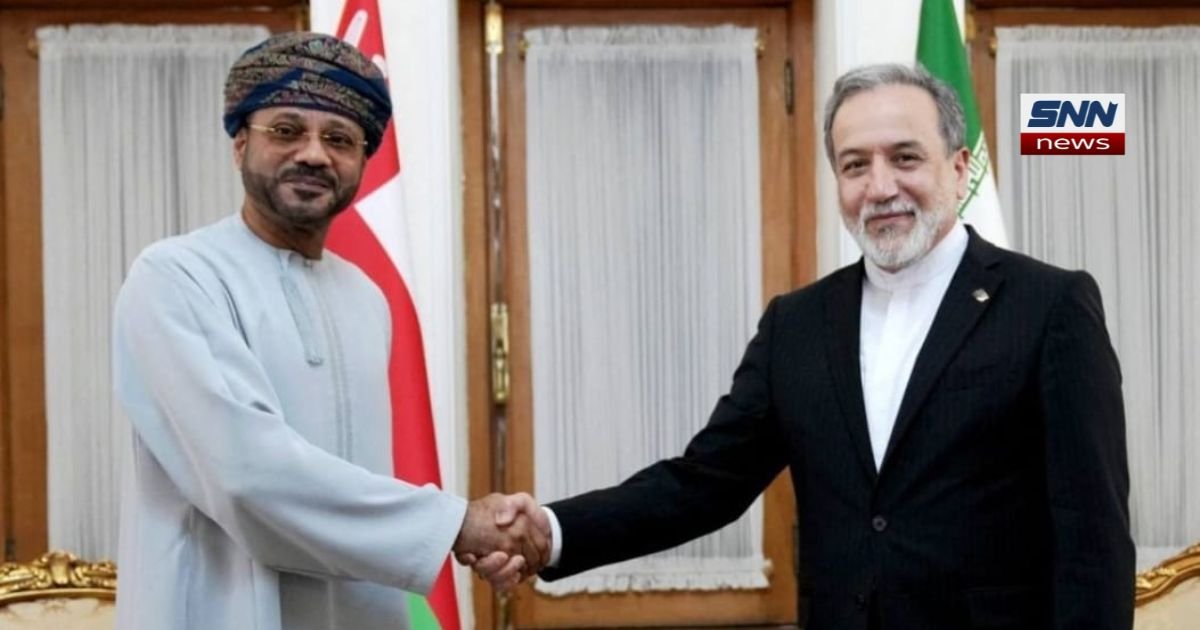
Saudi Arabia Pushes is reportedly pushing back against a Hormuz Strait proposal put forward jointly by Oman and Iran, according to Axios correspondent Barak Ravid.
Riyadh has submitted amendments to the plan, Ravid reported, out of concern that its current wording could lock in a new status quo in the strategic waterway that Saudi Arabia Pushes and other Gulf Cooperation Council (GCC) states would not accept.
The Strait of Hormuz is a narrow shipping channel between Iran and Oman through which a large share of the world’s seaborne oil passes. Any agreement governing its use carries direct consequences for regional trade, security, and the balance of influence among Gulf states.
Why the Hormuz Strait Proposal Is Contested
According to Ravid’s reporting, the dispute is not primarily about reopening the strait to normal traffic. Instead, it centers on who gets to set the rules that govern the strait going forward, particularly after recent regional tensions.
Saudi Arabia Pushes amendments are said to reflect a broader concern shared among GCC members: that a bilateral Omani-Iranian framework could sideline other Gulf states from decisions affecting a waterway they all depend on.
Neither the Saudi Arabia Pushes government nor Omani or Iranian officials have issued a public statement confirming the specific contents of the amendments described in the report. SNN News Finland has not independently verified the wording of the original proposal or Riyadh’s counter-text.
Regional Stakes Beyond Saudi Arabia
Other GCC members, including the United Arab Emirates, Qatar, Kuwait, and Bahrain, have a direct interest in how any new Hormuz arrangement is structured, given their shared reliance on the strait for energy exports.
It remains unclear from available reporting whether these states have taken formal positions on the Saudi amendments or on the original Omani-Iranian text.
Analysts who follow Gulf security affairs generally note that Oman has historically played a mediating role between Iran and its Arab neighbors, given its own coastline along the strait and its long-standing diplomatic ties with Tehran.
That backdrop is relevant context for why Muscat and Tehran may have moved first on a joint proposal.
Key Facts
- Saudi Arabia Pushes has reportedly submitted amendments to a Hormuz Strait proposal jointly floated by Oman and Iran
- The concern, per Axios’s Barak Ravid, is that the current wording could lock in a status quo unacceptable to Saudi Arabia and other GCC states
- The dispute reportedly centers on who defines future rules for the strait, not simply reopening it
- No Saudi, Omani, or Iranian government has publicly confirmed the details of the amendments
- The Strait of Hormuz is a critical global oil shipping route bordered by Iran and Oman
- Saudi Arabia Pushes
FAQs:
What is the Hormuz Strait proposal?
It refers to a plan reportedly put forward jointly by Oman and Iran concerning arrangements for the Strait of Hormuz, according to Axios journalist Barak Ravid.
Why is Saudi Arabia Pushes opposed to the current wording?
Per the report, Riyadh fears the proposal’s language could establish a new status quo in the strait that it and other GCC states would not accept.
Is this about reopening the strait to shipping?
According to the report, the central issue is not reopening access but determining who sets the rules governing the strait going forward.
Have other Gulf states commented on the dispute?
No public statements from other GCC members have been confirmed in available reporting as of this writing.
Where does the Strait of Hormuz sit geographically?
It lies between Iran and Oman and is one of the world’s most important routes for oil shipments.
What Happens Next
As of this report, it is not confirmed whether formal negotiations involving all GCC members are underway, or whether the process remains a bilateral exchange between Riyadh and the original proposal’s authors.
Ravid’s report frames the current dispute as a struggle over long-term rule-setting rather than an immediate security crisis in the strait itself.
Why Saudi Arabia Pushes Back on the Hormuz Proposal
About The Author