
Riffat Kausar
SNN News Finland
Lowest-income households in Finland have experienced a significant decline in their financial well-being following changes to social security benefits and taxation under Prime Minister Petteri Orpo’s government, according to a new study by the Finnish Institute for Health and Welfare (THL).
The study found that policy changes implemented during the government’s 2023–2027 term are expected to reduce the incomes of households in the lowest income decile by approximately eight per cent. This represents an average loss of around €80 per month per adult, according to a THL press release.
Lowest-income households: what we know
The story has drawn public discussion, and this report sets out what lowest-income households means in practice and what is confirmed. The details rest on official and attributable sources, and anything unconfirmed is marked as such.
Who is worst affected
According to the study, unemployed people have suffered the largest losses in monetary terms. Changes to social security benefits and taxation have reduced the financial support available to many people who are already struggling to make ends meet.
The reduction in disposable income could make it increasingly difficult for lowest-income households to afford necessities such as food, housing, electricity and healthcare.
Concerns over growing financial inequality
The findings highlight the potential consequences of government decisions affecting social protection and income distribution. For households already living on limited resources, an average reduction of €80 per month per adult places additional pressure on everyday budgets.
The impact may be particularly severe for unemployed people and others who depend heavily on public benefits to meet their basic needs.
Government policies under scrutiny
Prime Minister Petteri Orpo’s centre-right National Coalition Party-led government has introduced changes to social security and taxation as part of its broader economic policy programme.
The THL study provides an assessment of how these measures affect different income groups, with the lowest-income households facing a particularly substantial reduction in income.
The findings raise important questions about the balance between the government’s economic objectives and the need to protect people at risk of poverty.
Why this matters
Finland has long been described as a Nordic welfare state in which benefits and public services narrow income differences. If the incomes of the lowest decile fall faster than others, the gap between income groups widens — and the effects tend to show up first in everyday essentials: food, electricity, rent and health costs.
For the government, the counter-argument is that consolidating public finances is necessary to keep the welfare system sustainable. The dispute is therefore not only about numbers, but about who carries the adjustment.
Read also: Ombudsman finds problems with Migri processing times.
What has not been confirmed
The figures in this article come from the THL study and its press release as reported. SNN News Finland has not independently verified the underlying modelling, and the final effects will depend on how benefits, taxes and employment develop for the rest of the government’s term. The government has not published a response to this specific study in the material available.
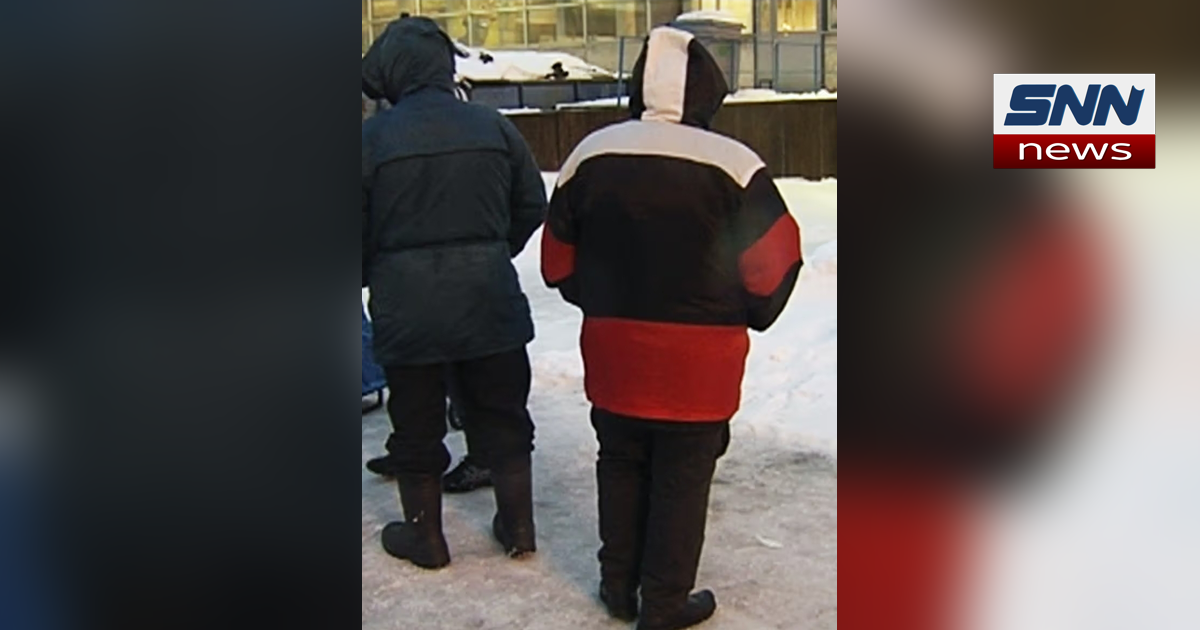
Photo: supplied (newsroom).
Sources: THL · Finnish Government.
Key facts
- Study: Finnish Institute for Health and Welfare (THL)
- Finding: lowest income decile faces about an eight per cent drop in income
- In money: roughly €80 per month per adult on average
- Worst hit: unemployed people, in monetary terms
- Cause: changes to social security benefits and taxation during the 2023–2027 term
- Unconfirmed: independent verification of the modelling and the government’s response
Frequently asked questions
What did the THL study find?
That social security and tax changes under the Orpo government are expected to cut the incomes of Finland’s lowest-income households by about eight per cent — around €80 a month per adult.
Who loses the most?
Unemployed people have suffered the largest losses in monetary terms, according to the study.
Why does a €80 monthly cut matter?
For households on the lowest incomes, that amount covers essential costs such as food, electricity or part of the rent. Reductions of that size hit budgets with no slack.
What has the government said?
The government has argued that adjusting social security and taxation is part of consolidating public finances. No response to this specific study was available in the material reviewed.
Does the study cover the whole government term?
It assesses changes implemented during the 2023–2027 term; the final outcome depends on how benefits, taxes and employment develop.
About The Author