
Riffat Kausar
SNN News Finland
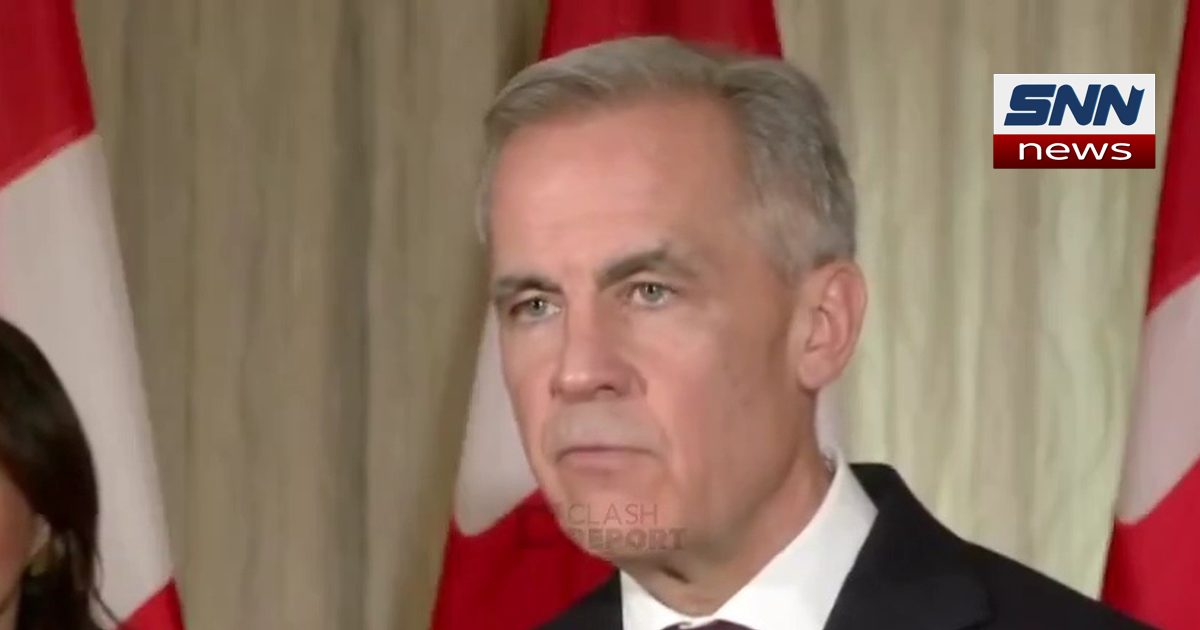
Security architecture in Europe will not be decided by Moscow, Canada’s Prime Minister Mark Carney has said, rejecting the idea that Russia could determine the continent’s security arrangements. He recalled that 2,500 Canadian troops are stationed in Latvia, where Canada leads a NATO brigade.
“The security architecture of a free Europe will be determined by a free Europe and NATO, not by Russia through a repeat of the Minsk agreements,” Carney said.
He also stated that Canada would “never” abandon its support for any other NATO member, adding: “We are not going to create a sanitary cordon for Russia.”
Security architecture: what we know
The story has drawn public discussion, and this report sets out what security architecture means in practice and what is confirmed. The details rest on official and attributable sources, and anything unconfirmed is marked as such.
What Carney said
Carney’s remarks place Canada’s military presence in the Baltic states at the centre of his argument. Latvia hosts a multinational NATO brigade led by Canada, and the Canadian contingent there is one of the alliance’s most visible deployments on its eastern flank.
His reference to the Minsk agreements is significant: those agreements, negotiated in 2014 and 2015, were intended to halt fighting in eastern Ukraine but were never fully implemented, and they are widely cited as an example of settlement formats that froze rather than resolved the conflict.
The phrase “sanitary cordon” refers to a buffer zone of states separating Russia from the rest of Europe — a concept Carney explicitly rejects as a political objective.
Why the statement matters
The comments come at a moment when negotiations over ending the war in Ukraine have raised questions about European security arrangements beyond Ukraine itself — including whether the status of NATO members and allied deployments could become bargaining chips.
Canada’s position matters because it is not only a NATO member but a lead framework nation in the Baltics. If Canada were to signal flexibility about allied deployments, other contributors might follow; by ruling it out publicly, Carney has tied Canada’s credibility to the current posture.
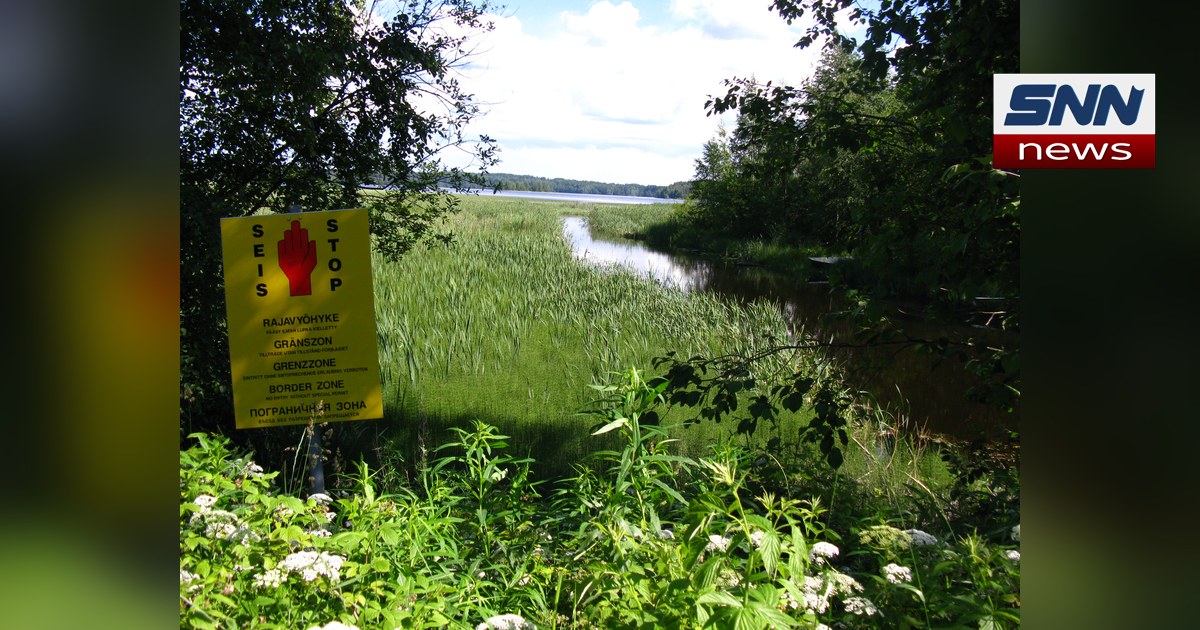
For Finland, the message is direct: as a NATO member sharing a long border with Russia, Finland’s own membership and allied arrangements are part of the same argument over who decides Europe’s security map.
Read also: Russia reportedly demands Finland leave NATO.
What has not been confirmed
It has not been confirmed whether Carney’s remarks were made in response to specific proposals on the table in the Ukraine talks, nor whether Canada has received any request to adjust its deployment in Latvia. No change to the Canadian troop presence has been announced. SNN News Finland has not independently verified the details of the statements beyond the reporting cited.
Photo: supplied (newsroom).
Sources: NATO · Government of Canada.
Key facts
- Who: Canadian Prime Minister Mark Carney
- Core statement: Europe’s security architecture will be determined by a free Europe and NATO, not by Russia
- Deployment cited: 2,500 Canadian troops in Latvia, where Canada leads a NATO brigade
- On allies: Canada will “never” abandon support for any other NATO member
- On buffer zones: “We are not going to create a sanitary cordon for Russia”
- Unconfirmed: whether the remarks responded to specific proposals, and any change to the deployment
Frequently asked questions
What did Mark Carney say?
That the security architecture of a free Europe will be determined by a free Europe and NATO, not by Russia through a repeat of the Minsk agreements.
What is the Canadian deployment he mentioned?
Around 2,500 Canadian troops are stationed in Latvia, where Canada leads a multinational NATO brigade on the alliance’s eastern flank.
What did he mean by “sanitary cordon”?
A buffer zone of states separating Russia from the rest of Europe. Carney said Canada will not help create one for Russia.
Why mention the Minsk agreements?
Because those 2014–2015 agreements froze rather than resolved the conflict in eastern Ukraine, and Carney rejects repeating that approach.
Does this affect Finland?
Finland is a NATO member sharing a long border with Russia. If allied membership or deployments became negotiable, Finland’s position would be directly affected.
About The Author