

Hammad Kahlun
SNN News Finland
Migri processing times have become a legal problem, not only an administrative one: Finland’s Deputy Parliamentary Ombudsman has found significant failures at the Finnish Immigration Service (Migri), which is unable to process all applications within the time limits set by law.
The inspection was launched after hundreds of complaints from the public about lengthy waits for decisions. The Parliamentary Ombudsman monitors how authorities follow the law and protect people’s fundamental rights, and investigates complaints.
What the inspection found
The biggest problems were in residence permit applications based on family ties. Only 61 percent of these applications were resolved within the statutory nine-month deadline in 2026. At the time of the inspection, 4,346 applications had been pending for longer than the law allows.
Problems were also found in applications by family members of students. In addition, there are backlogs in applications for Finnish citizenship and for permanent residence permits. Migri has itself estimated that an adult citizenship application can take roughly 17 to 35 months to process, and around 20,000 citizenship applications were queued as of 1 July 2026.
Why the delays happen
According to the Deputy Parliamentary Ombudsman, the delays are caused by the number of applications exceeding Migri’s capacity to process them. Processing times have also been affected by staff shortages, legislative changes and the complexity of individual cases.
One clear driver is the change to the Aliens Act that took effect in January 2026 and tightened the conditions for a permanent residence permit. Because many applicants wanted to apply under the older rules, a record number of permanent residence applications was filed in 2025 — an inflow that Migri has not been able to work through since.
The Deputy Parliamentary Ombudsman noted that even when application numbers increase, authorities must comply with statutory deadlines.
What happens next
The Deputy Parliamentary Ombudsman has asked the Ministry of the Interior and the Ministry of Economic Affairs and Employment to explain what measures they will take to address the problems. That response will determine whether the issue is treated as a resourcing question, a legislative one, or both.
For applicants, the practical stakes are high. A residence permit decision determines whether a spouse can join a family member in Finland, whether a student’s family can move, and whether a long-term resident can secure permanent status. Delays also affect access to work, studies and social security, and they can push people past the point where their previous permit expires.
Read also: EU sanctions and Ukraine funding.
What has not been confirmed
It has not been confirmed what specific measures the ministries will propose, whether additional funding or staffing will follow, or how quickly the backlog can be reduced. Migri has not published a timetable for clearing the queues. SNN News Finland has not independently verified the internal case figures; the findings come from the Ombudsman’s inspection and Migri’s published information.
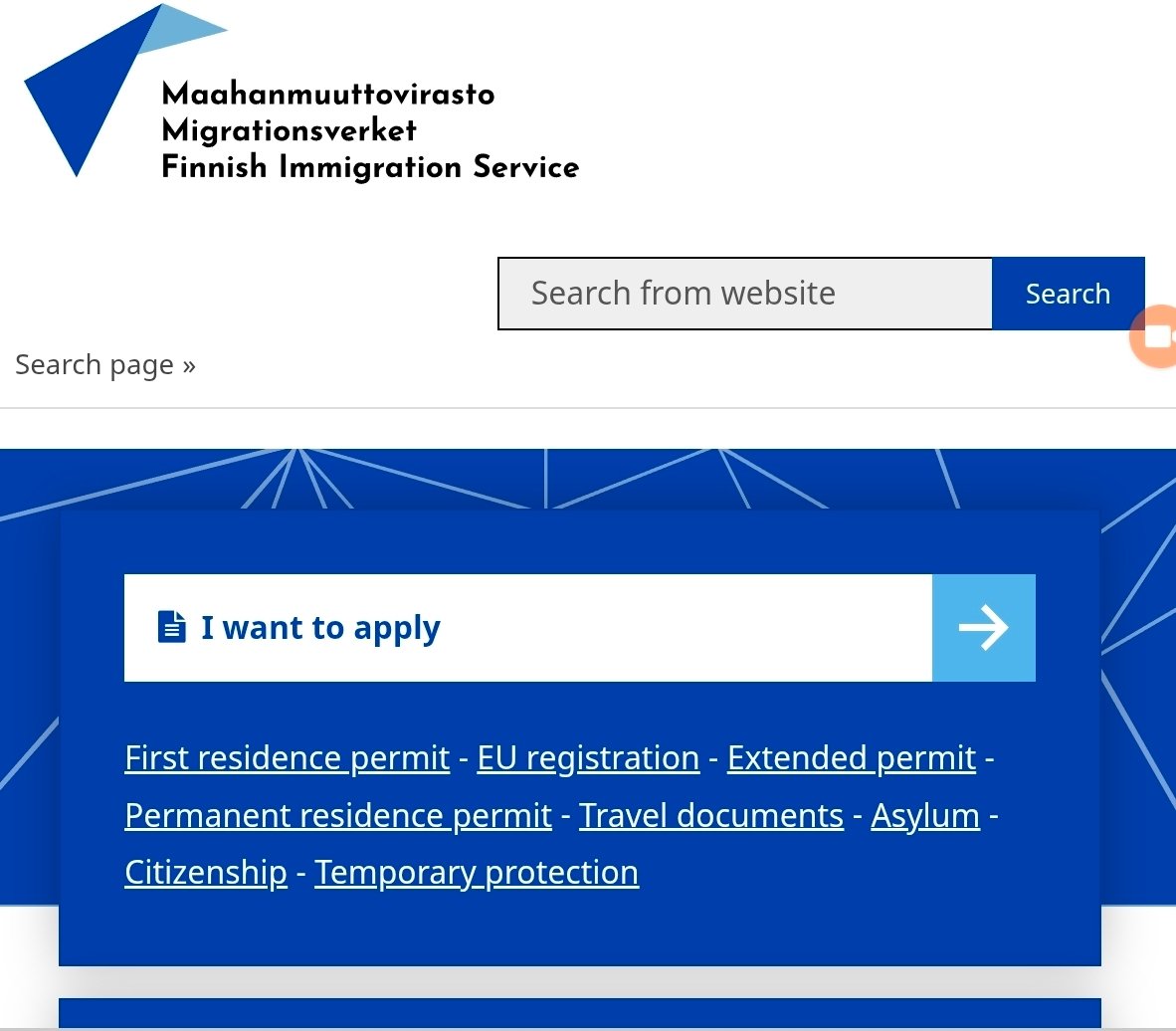
Photo: supplied (Migri online service).
Sources: Parliamentary Ombudsman · Migri.
Key facts
- Who: Deputy Parliamentary Ombudsman reviewed the Finnish Immigration Service (Migri)
- Why: hundreds of complaints about lengthy processing times
- Family ties: only 61 percent of residence permits were decided within the statutory nine-month deadline in 2026
- Backlog: 4,346 applications had been pending beyond the legal deadline at the time of inspection
- Also affected: citizenship applications (about 20,000 queued in July 2026) and permanent residence permits
- Stated causes: application volumes above capacity, staff shortages, legislative changes, complex cases
- Next: the Ministry of the Interior and the Ministry of Economic Affairs and Employment must explain what they will do
Frequently asked questions
What did the Ombudsman find at Migri?
That Migri cannot process all applications within statutory time limits. The worst failures were in family-tie residence permits, where only 61 percent met the nine-month deadline in 2026.
How many applications are late?
At the time of the inspection, 4,346 applications had been pending for longer than the law allows, according to the Deputy Parliamentary Ombudsman.
Why are Migri processing times so long?
Application numbers have exceeded Migri’s processing capacity. Staff shortages, legislative changes and complex individual cases have added to the problem, including a record wave of permanent residence applications in 2025 before the Aliens Act tightened in January 2026.
Are citizenship applications affected too?
Yes. Around 20,000 citizenship applications were queued as of 1 July 2026, and Migri estimates an adult application can take roughly 17 to 35 months.
What happens now?
The Deputy Parliamentary Ombudsman has asked the Ministry of the Interior and the Ministry of Economic Affairs and Employment to explain what measures they will take. No timetable for clearing the backlog has been published.
About The Author