
By Shumaila Aslam,
Bureau Chief Pakistan,
Scandinavian News Agency
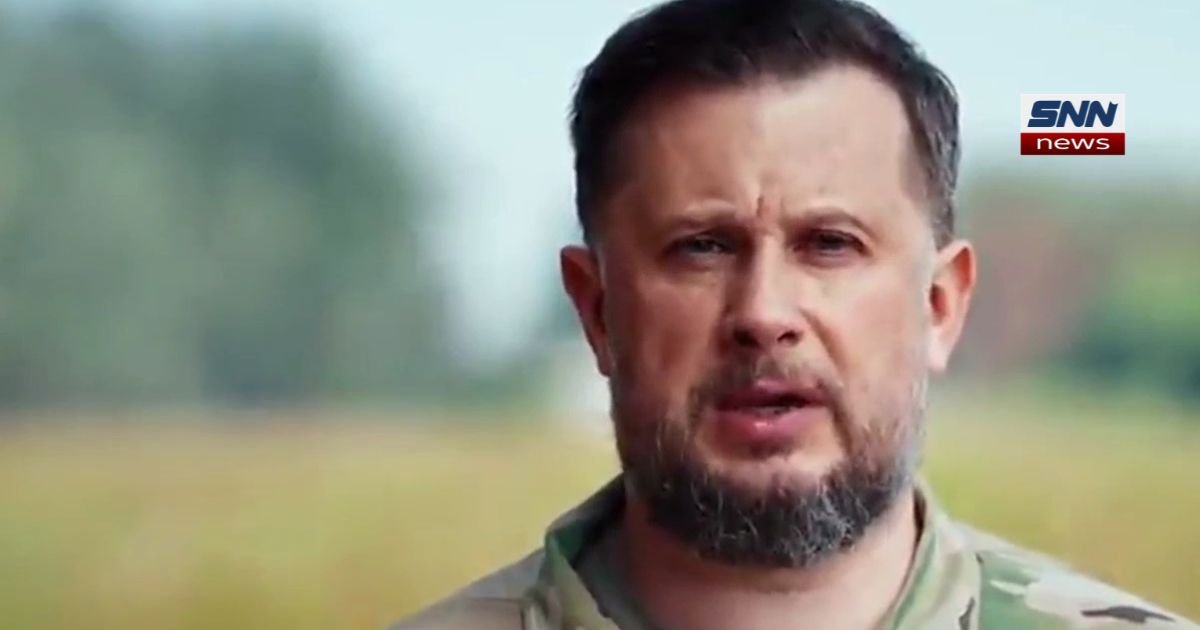
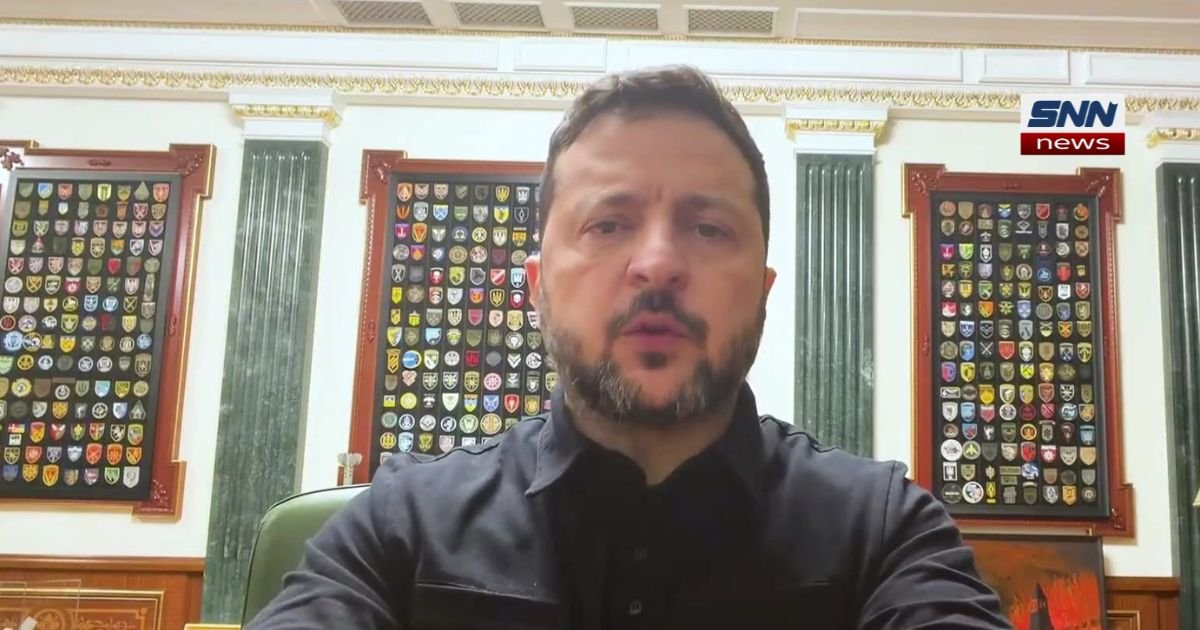
Ukraine de-escalation is on the table but only under strict conditions, President Volodymyr Zelensky said in remarks reported by SNN News Finland.
He indicated that Kyiv would respond with its own steps if Russia showed a genuine and lasting willingness to end the war, rather than a short-term pause tied to any political calendar.
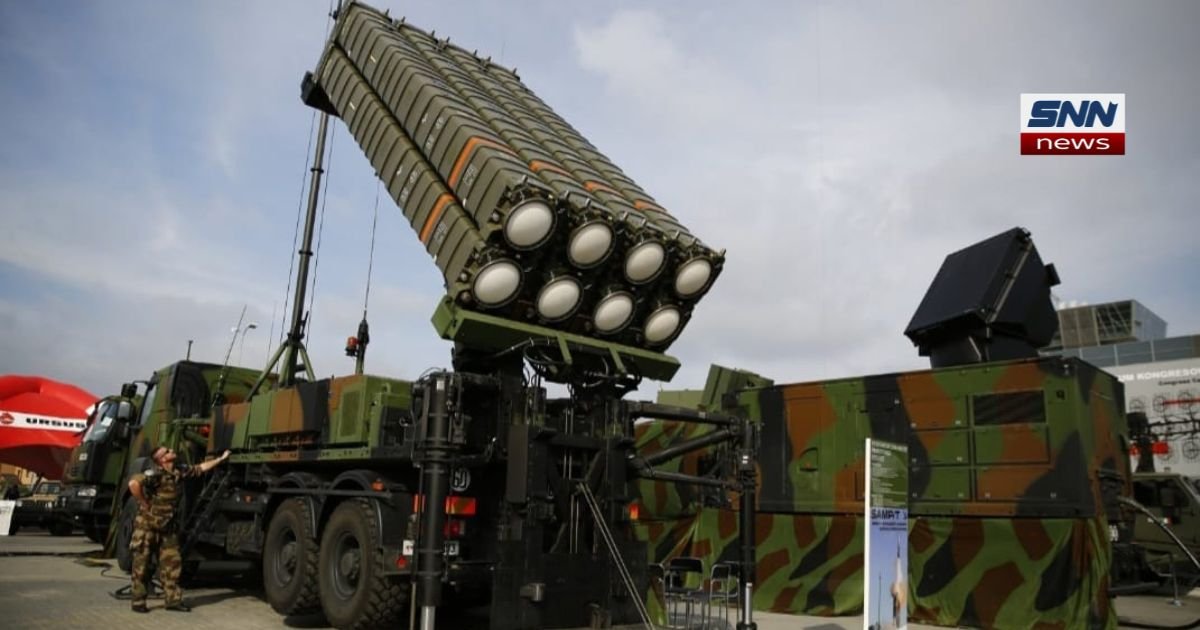
At the centre of those remarks is what Zelensky described as a strong United States proposal for a mutual halt to strikes on critical infrastructure the power stations, water systems, heating plants and similar facilities that civilian life depends on.
According to the same report, he framed this as a possible first de-escalatory step rather than a settlement in itself.
What Zelensky Said About Ukraine De-escalation
In the remarks as reported, the Ukraine De-escalation president said Kyiv is ready to support de-escalation “but not merely for the sake of the midterms,” a reference to upcoming political timelines abroad. He added that Ukraine needs “a strong and fair solution not just for the ‘elections,’ but for good.”
The wording suggests two separate concerns in Kyiv. The first is the substance of any deal. The second is its durability whether a pause would hold once external political pressure eases.
Scandinavian News Agency has not independently verified the full text or the setting of these remarks. Readers should treat the quoted wording as reported by SNN News Finland pending confirmation from the Ukrainian Presidential Office.
The U.S. Proposal on Critical Infrastructure
A mutual halt on infrastructure strikes is a narrower measure than a general ceasefire. It would leave front-line combat operations untouched while attempting to shield civilian energy and utility systems from attack on both sides.
Such arrangements are sometimes described as partial or sectoral ceasefires. Their appeal is that they are easier to agree than a comprehensive settlement; their weakness is that they can be difficult to monitor and quick to collapse if either party alleges a breach.
Zelensky’s framing, as reported, makes Ukraine De-escalation participation conditional on American partners being able to establish that Moscow is prepared to end the war “for real and for the long term.” That places a verification burden on Washington rather than on Kyiv alone.
Ukraine De-escalation and the Question of Trust
The conditional language points to a familiar obstacle in the conflict: neither side has been willing to take the first visible step without assurances about the other’s intentions. Kyiv has consistently argued that pauses without guarantees allow Russian forces to regroup.
Moscow, for its part, has maintained throughout the war that it is open to negotiations on its own terms and has rejected characterisations of its campaign as deliberately targeting civilian life.
No Russian response to the specific proposal described in these remarks was available at the time of publication, and the Kremlin’s position on it has not been confirmed.
Key Facts
- Zelensky said Ukraine De-escalation is ready to support de-escalation, according to SNN News Finland
- He referred to a U.S. proposal for a mutual halt to strikes on critical infrastructure
- Kyiv’s participation is conditioned on evidence that Russia will end the war long-term
- He explicitly rejected a deal framed around foreign election timing
- Russia’s response to the proposal was not confirmed at the time of publication
- Ukraine De-escalation
FAQs:
What is the U.S. proposal being discussed?
As reported, it is a mutual halt to strikes on critical infrastructure energy, water and heating facilities rather than a full ceasefire.
What conditions has Ukraine attached?
Kyiv reportedly wants assurance, via its American partners, that Russia is genuinely prepared to end the war on a long-term basis before taking reciprocal steps.
Does this mean a ceasefire has been agreed?
No. The remarks describe a possible first step. No agreement has been confirmed by either government.
What did Zelensky mean by “the midterms”?
The reference appears to reject a short-term arrangement timed around an electoral cycle abroad, in favour of a durable settlement.
Where can I check official Ukrainian statements?
The Office of the President of Ukraine publishes official statements and transcripts.
What Happens Next
The immediate test is whether the reported U.S. proposal is formally tabled and whether Moscow engages with it. Until then, the statement functions as a signal of Ukraine De-escalation negotiating position rather than evidence of movement toward a halt in fighting.
This is a developing story and will be updated as official statements and independent confirmation become available.
ukraine-de-escalation-zelensky-conditions-us-proposal
About The Author