

US midterms 2026 — By Abida Kahlun
Bureau Chief Helsinki, SNN News Finland
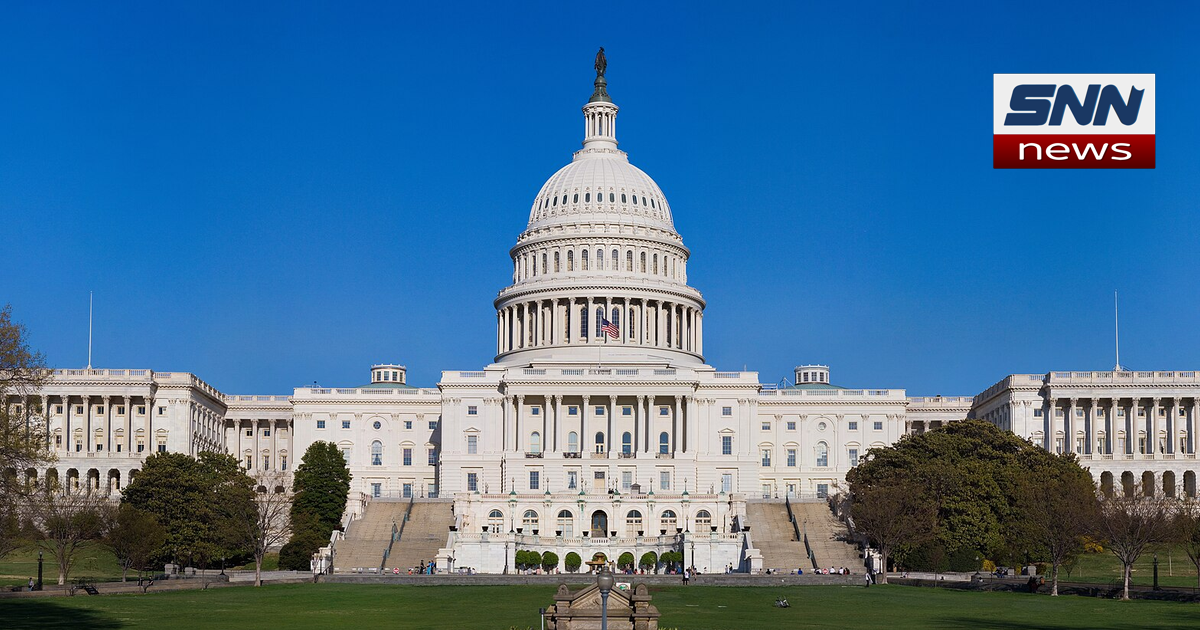
WASHINGTON — Democrats have won control of both chambers of the US Congress in the midterm elections, according to projections by American television networks, in a swing that handed the party the Senate as well as the House and produced a series of historic firsts. The projections placed Democrats on 54 Senate seats and 224 House seats as of 07:40 GMT, against majority thresholds of 51 and 218. Counting continued in Alaska and Mississippi, and the results remain projections rather than certified outcomes.
With the House majority confirmed by the projections and the Senate flipping to Democratic control, President Donald Trump faces a Congress in which both chambers can block his legislative agenda and open investigations into his administration. The last time a sitting president lost both chambers in a midterm was more than a decade ago.
What the projections show
Democrats were projected to hold at least 54 Senate seats, with Republicans on at least 42 and a small number of races still being counted. In the House, the projections gave Democrats a majority well past the 218 seats needed for control.
Party gains in the Senate came from states that Trump had carried in each of his presidential runs — among them North Carolina, Georgia, Ohio, Iowa, Kansas and Texas — a set of flips that would have been considered implausible a year ago. In Texas, Democrat James Talarico was projected to defeat Attorney General Ken Paxton after a campaign in which Elon Musk spent about $212 million backing the Republican nominee. In North Carolina, Roy Cooper won a seat previously held by a Republican. In Georgia, Senator Jon Ossoff was declared the winner with a wide margin.
Governorships also changed hands. Keisha Lance Bottoms was elected governor of Georgia, becoming the first Black woman elected governor of a US state. In New Mexico, Deb Haaland became the first Native American woman elected governor, and in Texas the Democrat Gina Hinojosa was projected to win, a first for the state. In New Hampshire, Chris Pappas became the first openly gay man elected to the US Senate, and in Louisiana, Representative Julia Letlow won a Senate seat and will be the state’s first Republican female senator.
Why voters swung
Preliminary national survey data from election night point to two forces. The first is the economy: voters named the cost of living, the state of democracy and government corruption as their leading concerns, and a majority said they wanted Congress to take a more forceful role in checking the presidency. The second is a demographic shift. About seven in ten voters under 30 said they backed the Democratic candidate in their House district, compared with roughly three in ten for the Republicans — a marked change from 2024, when the youngest voters were split. Participation also rose among Hispanic voters, and turnout in heavily Hispanic counties in South Texas increased sharply compared with the last midterms.
Early voting had already pointed in that direction: more than 57 million ballots were cast before election day, according to the University of Florida’s election laboratory, with new voters skewing younger and more diverse than in 2022.
A president who saw it coming — and didn’t
Trump said afterwards that he had been “a little bit surprised” by the scale of the defeat, while also describing the Democratic performance as a good one and blaming Republican candidates for their losses. In a post on his own social media platform he said he would become “a political pundit”, commenting on why candidates won and lost. His party will now govern without control of either chamber.
What happens next
Three things follow. Legislatively, the new majorities can refuse funding and block bills, though a presidential veto still requires two-thirds of both chambers to override. In oversight, committee chairs in Democratic hands can subpoena officials, demand documents and open investigations — including into the administration’s immigration enforcement, the Justice Department’s handling of cases involving the president’s opponents, and business dealings of Trump’s family and allies. Politically, the result resets the 2028 presidential field on both sides.
Two caveats matter. First, these are projections: state canvassing, certification and possible recounts are still ahead, and the margins in a few races remain narrow. Second, the survey data cited here are preliminary and will be revised as more responses are processed. SNN Finland has not independently verified individual race results, and has reported the outcome as projected by US networks, with the caveat that official certification is still pending.
SNN Finland has also reported on the administration’s foreign policy, including the limited US strikes on Iran’s Qeshm Island and the political row over the Nobel Peace Prize.
Us midterms 2026: key facts
Read also: www.nato.int.
Key facts
- US midterms 2026: what is confirmed so far, and what remains open
- US midterms 2026: what is confirmed so far, and what remains open
- Result: US networks project Democrats have won control of both the House and the Senate in the 3 November 2026 midterms
- Senate: Democrats projected to hold at least 54 seats, Republicans at least 42; Alaska and Mississippi still counting
- Key flips: seats won in states Trump carried, including North Carolina, Georgia, Ohio, Iowa, Kansas and Texas
- Historic firsts: first Black woman elected governor of a US state (Georgia), first Native American woman elected governor (New Mexico), first openly gay man elected to the Senate (New Hampshire)
- Voter shift: about seven in ten under-30 voters backed Democratic House candidates, with higher Hispanic participation
- Still pending: state certification, possible recounts, and final turnout data; all results are projections for now
Frequently asked questions
Are these results final?
No. They are projections by US television networks based on counted votes and modelling. State canvassing and certification come later, and close races can go to recounts.
Can Congress block the president’s agenda?
It can refuse funding and stop legislation in either chamber. Overriding a presidential veto, however, needs two-thirds majorities in both the House and the Senate, which the projections do not suggest.
What will Democratic majorities investigate?
Committee chairs have signalled scrutiny of immigration enforcement, the Justice Department’s handling of cases involving the president’s perceived opponents, and the business dealings of the president’s family and allies.
Why did young voters move so sharply?
Survey data point to cost-of-living pressure, anger about the direction of the country, and a desire to check the presidency. Roughly six in ten under-30 voters said opposing Trump was a reason for their House vote.
What does it mean for US foreign policy?
Congress controls funding and confirmation of key appointments, so a hostile Senate and House can slow or constrain parts of the administration’s foreign agenda — though most day-to-day conduct of foreign policy remains with the executive.
About The Author