
US strikes Qeshm Island —
By Riffat Kausar
SNN News Finland
President Donald Trump said on Friday that the United States had carried out what he called “minor strikes” on Iran’s Qeshm, while insisting that negotiations with Tehran were making progress a pairing that has become the defining feature of a war fought in small increments while both sides keep talking.
What Trump said
Speaking to reporters as he returned to Florida, Trump described the operation as a limited military action and said there was “a lot of progress” in the negotiations. Asked whether he wanted a deal soon, he replied that “nobody getting hurt, nobody getting killed,” and described the conflict as a war the US had been present in for months but had “really fought” for only three or four weeks.
He has used similar language before: the administration’s strikes have been presented as defensive, proportionate and aimed at specific military threats rather than as steps towards a full campaign. The pattern has held for weeks — strikes on Iranian targets, an American naval blockade of Iranian ports, and negotiations in parallel.
What Iran reports
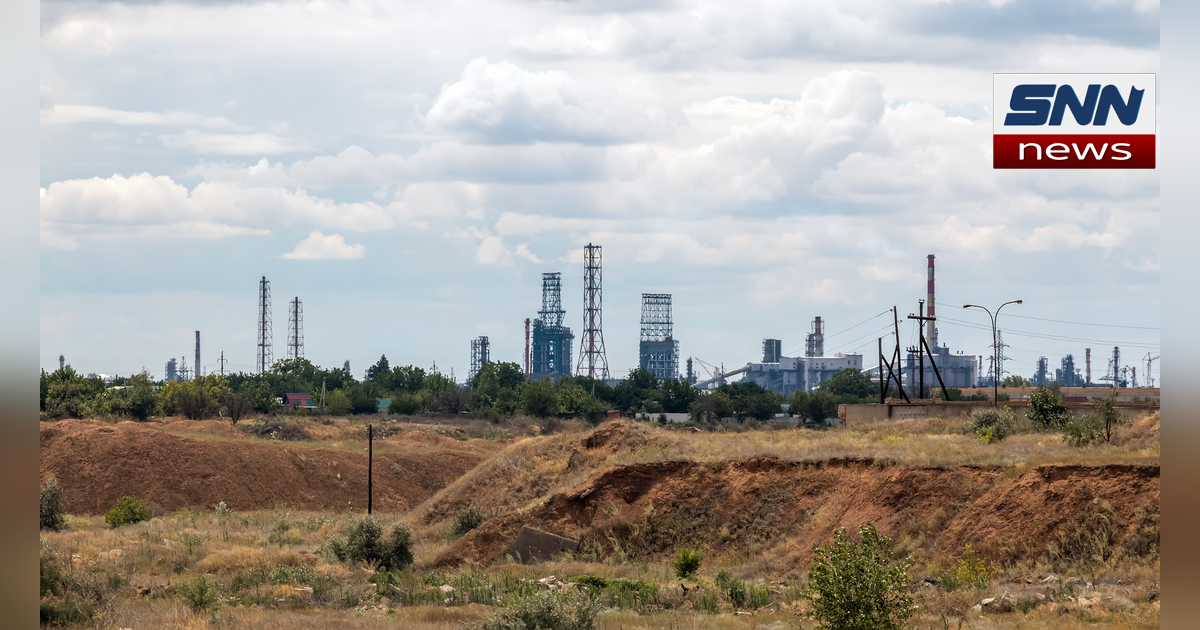
Iranian reports said two missiles struck Qeshm Island, the large island at the mouth of the Strait of Hormuz, on Friday. Iran’s semi-official news agency said there was no official information on damage, and no casualty figures have been released by either side.
The island has been struck before: at the start of the month, a US official confirmed limited strikes on Qeshm after Iranian state media reported explosions across it, describing the target as Iranian forces using surface-to-air missiles against American assets. Qeshm matters because of where it sits — next to the shipping lane through which a large share of the world’s seaborne oil passes.
The diplomatic track
Qatar and the United States both said negotiations aimed at a diplomatic settlement were continuing despite the strikes, and Iranian officials have said proposals are under review. That combination — military action and active talks — is what has kept the conflict from widening so far, and what makes each new round of strikes a test of whether the process survives.
The US military has also been issuing public messages to Iran’s population about safety during operations, according to reporting on the live coverage of the war, which Iranian officials have treated as psychological pressure rather than advice.
Why the region is nervous
Gulf states have watched the past week with growing concern. Their economies depend on the same waterway that Iran has repeatedly threatened, and a resumption of all-out war would put their ports, energy infrastructure and aviation routes at risk. Saudi Arabia has already faced Houthi missile launches towards its territory, including one intercepted on the way to the Medina region, and a warning was issued for the Yanbu terminal area — the endpoint of the pipeline that lets the kingdom export oil without using the Strait of Hormuz.
Iran, meanwhile, says tankers have been damaged by mines in the strait, a claim the international incident record does not match in scale. The gap between what each side says is happening and what can be independently verified has become part of the war itself.
What is not established
No independent confirmation of the number of missiles fired, the targets struck or the damage caused on Qeshm Island has been published. Iranian casualty and damage figures have not been released. The American description of the operation as “minor” comes from the president and is not corroborated by an operational statement. Claims about mine attacks on shipping come from Iran; claims about interception and military losses in Yemen come from the Saudi-led coalition. SNN Finland has reported each as a claim by the party making it.
The political backdrop
The strikes land in the middle of a political reset in Washington. Trump’s party lost control of both chambers of Congress in this week’s midterm elections, with the war among the issues voters cited, and the president has since replaced his chief of staff. His defence secretary faces bipartisan criticism over the conduct of the campaign, and a new Democratic Congress will have subpoena power over it.
Both dynamics point in the same direction: an administration with narrower room to escalate domestically, and a war that continues to be run in calibrated steps rather than resolved. For Iran, the calculation is similar — pressure on shipping and repeated statements that it will respond, without triggering the full campaign it says it does not want.
Us strikes qeshm island: key facts
Key facts
- US strikes Qeshm Island: what is confirmed so far, and what remains open
- US strikes Qeshm Island: what is confirmed so far, and what remains open
- What Trump said: the US carried out “minor strikes” on Iran, with “a lot of progress” in negotiations and no one “getting hurt” or “getting killed”
- Iran’s report: two missiles struck Qeshm Island on Friday; no official damage or casualty information released
- Where: Qeshm sits at the mouth of the Strait of Hormuz, beside the shipping lane carrying a large share of global seaborne oil
- Earlier strikes: a US official confirmed limited strikes on Qeshm at the start of November, targeting Iranian forces using surface-to-air missiles against American assets
- Diplomacy: Qatar and the US say talks on a settlement continue; Iran says proposals are under review
- Region: Gulf states fear a return to all-out war; Saudi Arabia has intercepted Houthi missiles and warned over the Yanbu oil terminal area
- Not verified: missile count, targets, damage and casualties; all figures are claims by the parties
- Qeshm
FAQs:
Did the US strike Iran again?
President Trump says the US carried out “minor strikes” on Iran on Friday. Iranian reports say two missiles hit Qeshm Island. No independent confirmation of the extent of the operation has been published.
Are talks still going on?
According to Qatar and the United States, yes — negotiations on a settlement are continuing, and Iran says proposals are being reviewed. That is why the strikes have not so far ended the diplomatic track.
Why does Qeshm Island matter?
It sits at the mouth of the Strait of Hormuz, the chokepoint through which a large share of the world’s seaborne oil passes. Military activity there affects shipping insurance, freight rates and oil prices within hours.
What has Iran said about the strait?
Iran says tankers have been damaged by mines in the waterway and has warned that no one benefits from a return to full-scale war. The international incident record lists far fewer attacks than Iran claims.
Could this become a wider war?
Both sides continue limited strikes while keeping talks alive. The risk is miscalculation: a strike or interception that causes mass casualties, or an attack on shipping that closes the strait, would remove the room both sides have left themselves.
Why it matters
A “minor” strike is not a minor event when it happens near the world’s most important oil chokepoint, or when it happens while negotiations are live. Every round raises the chance that a single miscalculation — a missile that hits the wrong ship, a strike that kills the wrong people, a warning issued to the wrong audience — ends the diplomatic track that both sides say they want. The alternative to talking, as the past week has shown, is a war that neither side has been willing to finish but that neither has been able to stop.
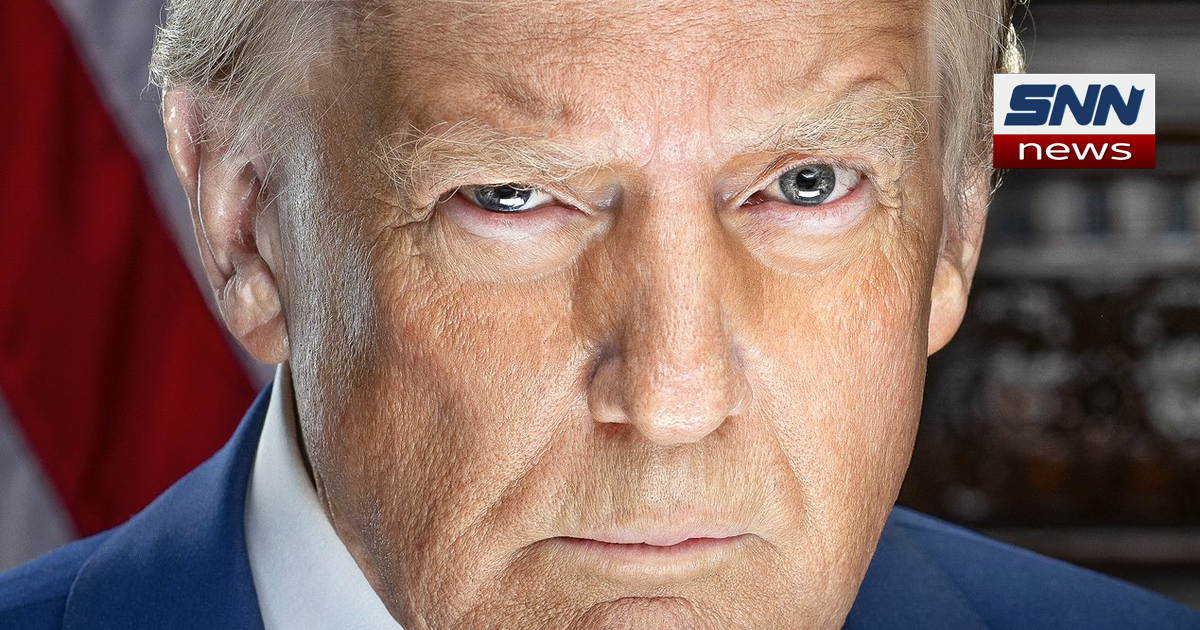
Photo: The White House / Wikimedia Commons, Public domain. Graphic: SNN News Finland. Verified by Scandinavian News Agency Finland.
SNN Finland has covered this front from the start, including the earlier US strikes on Qeshm Island and Iran’s claims of mine attacks on tankers.
Frequently asked questions
Did the US strike Iran again?
President Trump says the US carried out “minor strikes” on Iran on Friday. Iranian reports say two missiles hit Qeshm Island. No independent confirmation of the extent of the operation has been published.
Are talks still going on?
According to Qatar and the United States, yes — negotiations on a settlement are continuing, and Iran says proposals are being reviewed. That is why the strikes have not so far ended the diplomatic track.
Why does Qeshm Island matter?
It sits at the mouth of the Strait of Hormuz, the chokepoint through which a large share of the world’s seaborne oil passes. Military activity there affects shipping insurance, freight rates and oil prices within hours.
What has Iran said about the strait?
Iran says tankers have been damaged by mines in the waterway and has warned that no one benefits from a return to full-scale war. The international incident record lists far fewer attacks than Iran claims.
Could this become a wider war?
Both sides continue limited strikes while keeping talks alive. The risk is miscalculation: a strike or interception that causes mass casualties, or an attack on shipping that closes the strait, would remove the room both sides have left themselves.
About The Author