
Abida Kahlun
Bureau Chief Helsinki
SNN News Finland
Brazilian Federal Police have seized about four metric tons of shark fins from a boat in Belém, in the northern state of Pará. Four crew members were arrested, and police also seized the vessel and its cargo.
According to information released by the Federal Police, the vessel was reportedly bound for Suriname via Icoaraci, a district of Belém. The cargo was carried in hundreds of bags.
What police say happened
The seizure took place as part of an investigation into the fins’ origin and possible accomplices. Police have said the scale of the haul points to a potentially organised illegal export network — fins collected from multiple sources and consolidated for shipment abroad.
The four crew members were arrested in connection with the case. Investigations into the origin of the fins, the financing of the shipment and any additional participants are reported to be continuing.
Why shark fins matter
Shark finning — removing fins and discarding the rest of the animal — is banned in many countries, and the trade in fins is regulated under international agreements on endangered species. Fins are among the most valuable seafood products by weight, which is what makes the trade attractive to criminal networks and difficult to police.
Brazil has strict wildlife protection legislation, and the Federal Police carry out environmental enforcement operations alongside environmental authorities. Large-scale seizures usually indicate a supply chain rather than an isolated act: fishing vessels, buyers, storage facilities and export routes.
The export route question
The reported destination — Suriname, via Icoaraci — matters because trafficking routes typically cross several jurisdictions before the product reaches its final market. That makes prosecution dependent on cooperation between countries and on documentation that is often falsified or absent.
Officials have not released details about who financed the shipment, where the fins were collected, or what documentation accompanied the cargo.
Read also: civilian deaths in Russia.
What has not been confirmed
The exact weight, the species involved, the number of animals the fins came from, and the status of the arrested crew members have not been confirmed in detail. It is not known whether any charges have been filed, and under Brazilian law those arrested are presumed innocent until a court decides. SNN News Finland has not independently verified the details of the operation.
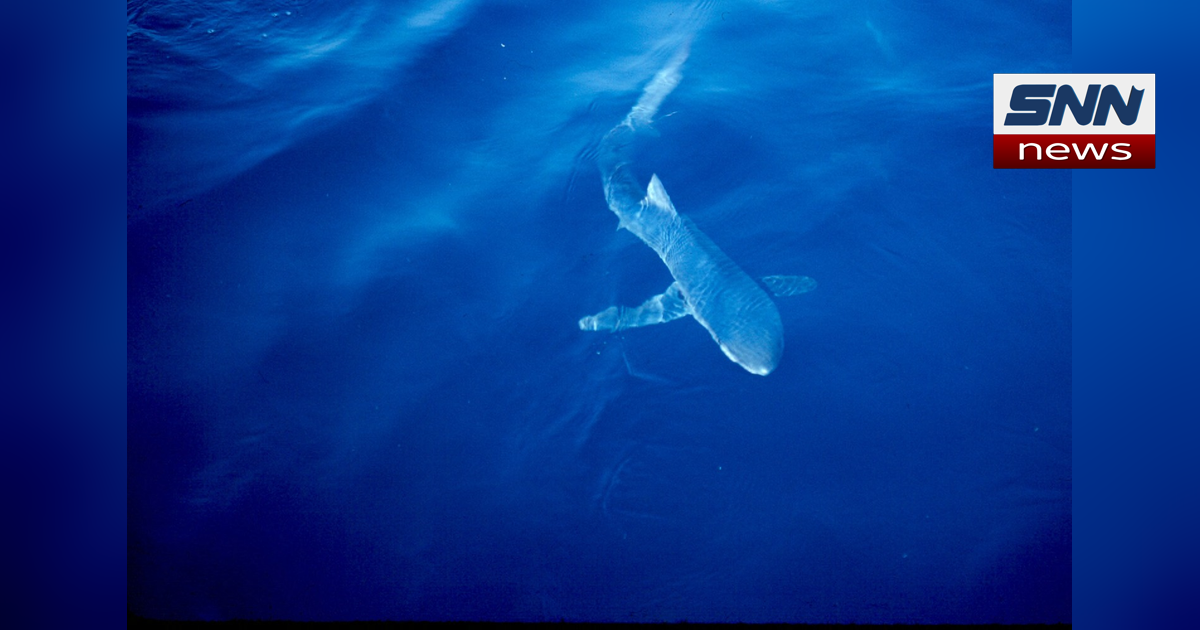
Photo: Garst, Warren, 1922-2016, photographer / Wikimedia Commons, CC BY-SA 4.0.
Sources: official source.
Shark fins — background and consequences
To understand the full picture it helps to separate the decision from its implementation and its effects. The decision sets a line, authorities apply it case by case, and the consequences only become visible over time. shark fins is one criterion among several, not an automatic outcome.
In practice, decisions are taken through official discretion: applications are assessed individually, entry control is carried out at the border, and the conditions of a short stay are evaluated separately. That means results can vary between individual cases.
Two arguments dominate the public debate: consistency in response to Russia’s war, and respect for international commitments. Both shape how shark fins works in practice, and both are likely to be tested as the situation develops.
Key facts
- Where: Belém, Pará state, Brazil
- What: about four metric tons of shark fins seized from a boat
- Route reported: bound for Suriname via Icoaraci
- Arrests: four crew members; vessel and cargo seized
- Investigation: origin of the fins and possible accomplices
- Assessment: the scale points to a potentially organised illegal export network
- Unconfirmed: species, weight details, charges
Frequently asked questions
How much was seized?
About four metric tons of shark fins, according to the Brazilian Federal Police.
Where was the boat going?
It was reportedly bound for Suriname via Icoaraci, in Belém.
Were arrests made?
Yes. Four crew members were arrested, and the boat and cargo were seized.
What happens next?
Police are investigating the origin of the fins and possible accomplices. It is not yet known whether charges have been filed.
Why is this significant?
The volume suggests an organised supply chain rather than an isolated catch, and the trade is regulated internationally because of pressure on shark populations.
About The Author