
By Riffat Kausar
Snn News Finland
Israel PM Netanyahu Defends Iran Strike Using Holocaust Comparison
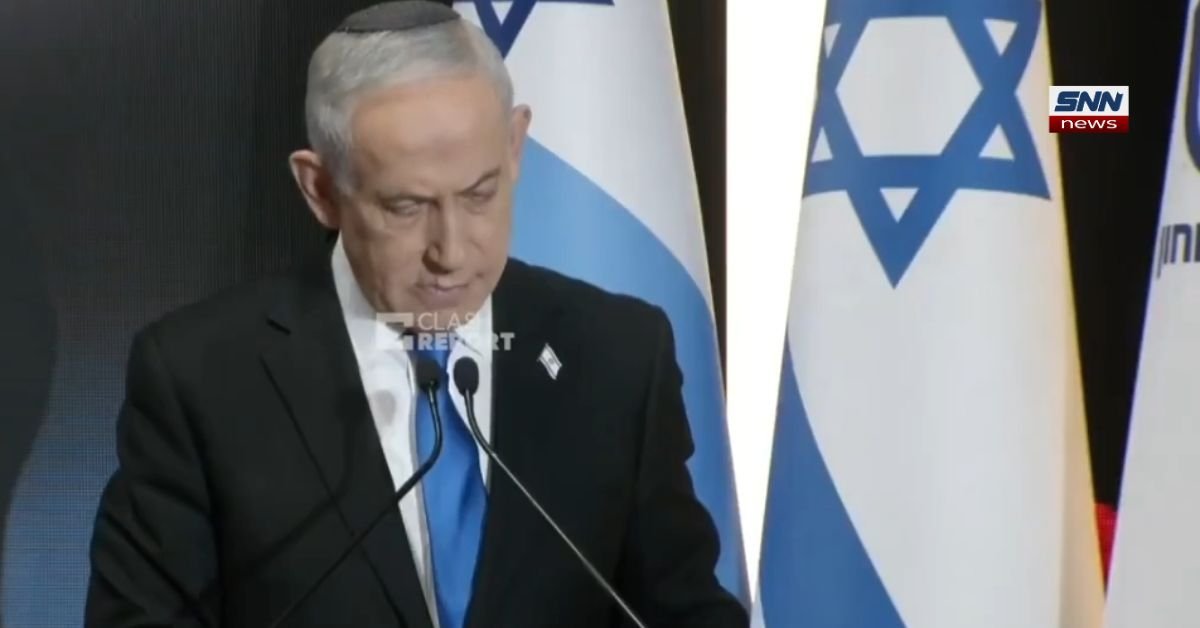
Israeli Prime Minister Benjamin Netanyahu has defended Israel’s recent military action against Iran by claiming Tehran was planning another Holocaust and seeking to destroy Israel with nuclear weapons.
His remarks have triggered international debate over security threats, nuclear capabilities, and the language used during wartime.
Netanyahu said Iran intended to eliminate Israel and was working toward a future attack using nuclear bombs.
He argued that Israel acted to stop what he described as an existential threat. The statement quickly drew attention because it linked current regional tensions with the Holocaust, one of the darkest chapters in modern history.
The comments come at a time of already high tension in the Middle East, where military exchanges, political warnings, and fears of escalation continue to grow.
Netanyahu’s Statement and Its Meaning
Speaking in defense of Israel’s actions, Netanyahu said Iran was planning “another Holocaust” and intended to destroy Israel through nuclear weapons.
The Holocaust reference carries deep emotional and historical significance, particularly in Israel, where national security is often tied to the memory of the murder of six million Jews during World War II.
Israeli leaders across decades have frequently said that preventing another catastrophe is central to the country’s defense policy.
Netanyahu has Holocaust often used strong language when discussing Iran’s regional influence, missile programs, and nuclear activities.
Iran Denies Seeking Nuclear Weapons
Iran has repeatedly denied that it possesses nuclear bombs or is actively building nuclear weapons.
Iranian officials maintain that the country’s nuclear program is for peaceful civilian purposes, including energy production, scientific research, and medical use.
International monitoring bodies, including the International Atomic Energy Agency (IAEA), have for years inspected parts of Iran’s nuclear program under various agreements and monitoring arrangements.
However, Western countries and Israel have long expressed concern about:
- Uranium enrichment levels
- Missile development programs
- Undeclared nuclear sites
- Reduced transparency with inspectors
- Regional military activity linked to Iranian allies
- Holocaust
These concerns have intensified since the collapse of earlier diplomatic agreements.
Israel’s Undeclared Nuclear Arsenal in Global Focus
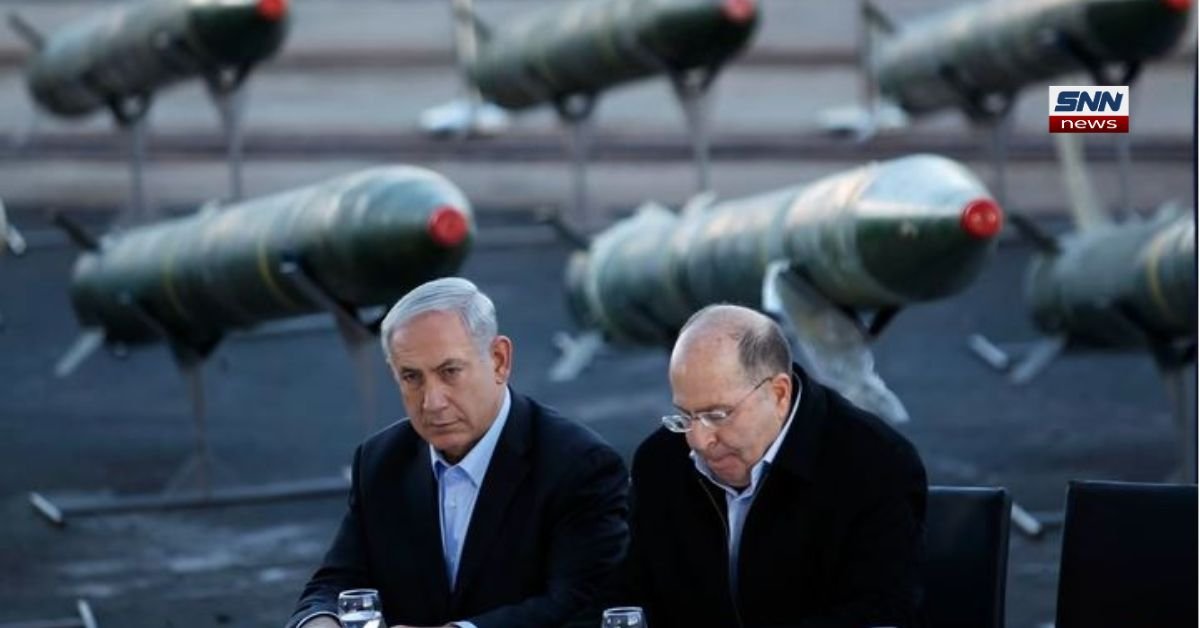
Netanyahu’s comments also renewed discussion about Israel’s own nuclear capability. Israel has never officially confirmed or denied possessing nuclear weapons, a policy widely described as strategic ambiguity.
Many international analysts and research organizations estimate that Israel may possess more than 200 nuclear warheads, though no official public number exists.
Israel is not a signatory to the Nuclear Non-Proliferation Treaty (NPT), unlike Iran, which remains a member of the treaty.
This contrast is often highlighted by critics who argue that regional nuclear discussions involve different standards for different states.
Why the Holocaust Comparison Is Controversial
Using Holocaust language in present-day political conflicts is highly sensitive. Supporters of Netanyahu argue that Jewish history and Israel’s security concerns make such warnings understandable.
Critics, however, say Holocaust comparisons can:
- Escalate fear and emotions
- Reduce space for diplomacy
- Oversimplify modern geopolitical disputes
- Distract from factual intelligence assessments
- Increase public polarization internationally
- Holocaust
Historians often caution against using past genocides as routine political references unless clear evidence supports such claims.
Israel-Iran Conflict Background
Israel and Iran have been strategic rivals for decades. Their conflict has included covert operations, cyber incidents, proxy warfare, intelligence disputes, and direct military exchanges in recent years.
Key areas of conflict include:
- Iran-backed armed groups in Lebanon, Syria, Iraq, and Gaza
- Israeli airstrikes in Syria
- Maritime incidents in regional waters
- Cyberattacks on infrastructure
- Missile and drone threats
- Nuclear diplomacy breakdowns
- Holocaust
The relationship has become one of the most dangerous fault lines in the Middle East.
International Reactions Expected
While some allies support Israel’s right to defend itself, many governments are expected to call for restraint and de-escalation. The United States, European countries, Gulf states, and the United Nations have repeatedly warned against a broader regional war.
Diplomats fear that direct confrontation between Israel and Iran could affect:
- Global oil markets
- International shipping routes
- Civilian safety in the region
- Refugee flows
- Counterterrorism operations
- Global economic stability
- Holocaust
Public Impact Beyond the Middle East
Statements by leaders during wartime often shape markets, diplomacy, and public opinion worldwide. Strong claims involving nuclear weapons can create immediate anxiety among civilians and investors.
Airlines, shipping companies, and financial markets closely watch Middle East developments because instability in the region can quickly affect energy prices and trade routes.
For ordinary citizens, fears of a larger war can also raise humanitarian concerns, especially for civilians already living in conflict zones.
Security Experts Urge Evidence-Based Assessments
Analysts say claims about nuclear threats should be judged through verified intelligence, international inspections, and diplomatic channels rather than political rhetoric alone.
Experts note that military language can sometimes serve multiple purposes:
- Building domestic support
- Signaling deterrence
- Warning opponents
- Influencing allies
- Framing future actions
- Holocaust
Because of this, governments and media often seek independent verification of such statements.
What Happens Next
The next phase will likely depend on whether military exchange Holocaust continue or diplomatic channels reopen. If both sides maintain aggressive rhetoric, the risk of wider escalation may rise.
If international mediators succeed in lowering tensions, there may be renewed efforts to discuss nuclear monitoring, regional security, and conflict prevention.
For now, Netanyahu’s Holocaust comparison has once again placed the Israel-Iran conflict at the center of global attention, while raising difficult questions about nuclear risk, historical memory, and the future of Middle East stability.
Israel Iran conflict latest updates, Netanyahu statements today, Middle East nuclear tensions, Iran Israel war news
About The Author