
booby-trapped FPV goggles —
By Riffat Kausar
SNN News Finland
Russia’s Federal Security Service said on Monday that it had intercepted a consignment of FPV drone-control goggles rigged with improvised explosives that were intended for Russian drone operators, in what the service describes as a Ukrainian sabotage campaign delivered through volunteer and humanitarian-aid channels. Ukraine has not responded to the allegation, and SNN Finland cannot independently verify a claim made by Russia’s own security service.
What the FSB says happened
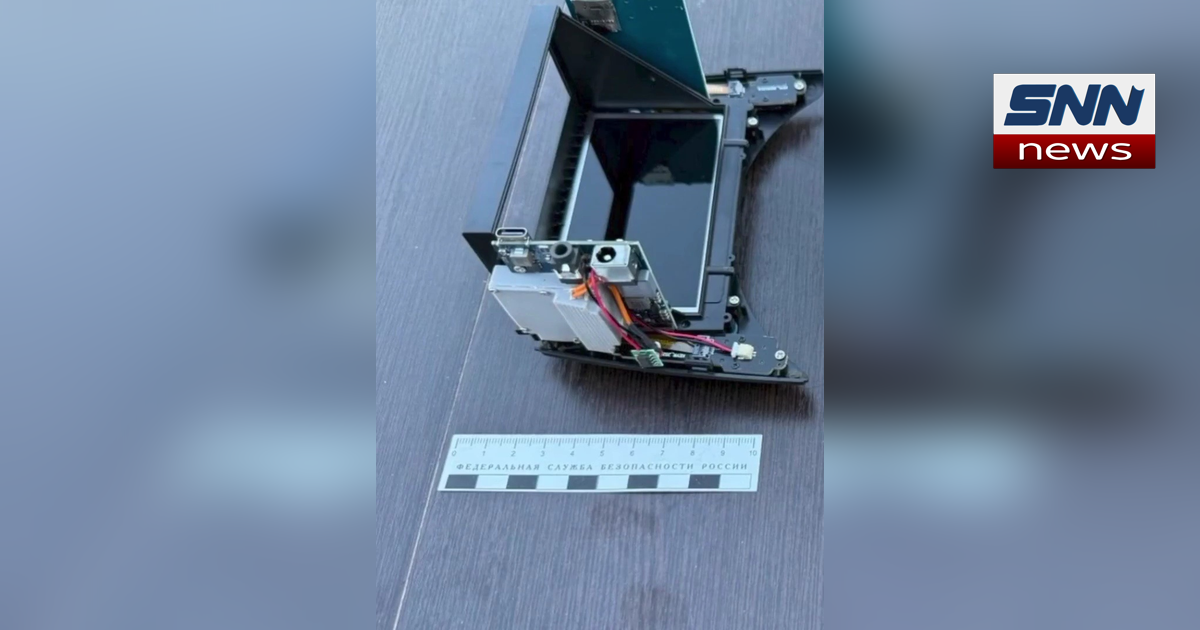
In a statement published on the service’s website, the FSB said a serviceman in the Volgograd region received two pairs of FPV goggles from a volunteer and, acting on instructions from Russian military counter-intelligence, handed the devices in for inspection. Bomb-disposal specialists who X-rayed them found that improvised explosive devices had been built into the goggles in place of the cooling fans they normally contain, the service said.
The FSB said it then seized a batch of similar devices, camouflaged as FPV goggles, in several Russian regions, and that the equipment had been sent to Russia through the postal service. It described the goggles as intended for drone operators directly engaged in combat, and said detonation was designed to occur when the goggles were switched on — an outcome, it said, that would have killed servicemen.
According to the account, Ukrainian operatives approached Russian humanitarian organisations and charitable foundations from anonymous accounts on the Telegram messaging app, presenting themselves as supporters, withholding their own details, and insisting on video messages of thanks from Russian soldiers before shipments went out.
The investigation
The FSB said its investigative department in the Volgograd region opened a criminal case covering the illegal handling and manufacture of explosives and the preparation of a terrorist act under Russian law, and that a search is under way for those responsible for sending the devices.
The service also used the statement to warn volunteer and charitable organisations to treat incoming humanitarian aid as suspect, and said that improvised devices had previously been concealed in perfume sets, power banks, portable speakers, gift figurines, church items and car parts.
A tactic with a recent precedent
Booby-trapped goggles are not new to this war. In early 2025, comparable devices were reported to have reached Russian servicemen, in an operation described at the time in reporting on the case as taking its cue from the Israeli operation that detonated pagers and radios carried by Hezbollah members in Lebanon in September 2024. That comparison has circulated widely since; it does not appear in this week’s FSB statement.
Independent conflict monitors have recorded a broader pattern of targeted killings and sabotage on both sides in recent years, including devices sent by post and explosives concealed in equipment, vehicles and everyday objects. The tactic shifts an attack away from the front line itself and into the logistics chain — the couriers, volunteers and workshops that move equipment to troops.
What cannot be verified
Every element of Monday’s account comes from a single party to the war, released by a security service that has an interest in publicising both the alleged plot and its own success in stopping it. Wartime claims of this kind are frequently accurate in outline and unreliable in detail, and there is no independent access to the seized items, the alleged shipments or any suspects.
Ukraine’s security services have not commented, and no Ukrainian official has confirmed or denied involvement. SNN Finland has therefore reported the allegation as an allegation, attributed to the FSB, rather than as an established fact.
Booby-trapped fpv goggles: key facts
Read also: booby-trapped FPV goggles · booby-trapped FPV goggles.
Key facts
- booby-trapped FPV goggles: what is confirmed so far, and what remains open
- booby-trapped FPV goggles: what is confirmed so far, and what remains open
- Claim: Russia’s FSB says it intercepted FPV drone-control goggles rigged with improvised explosives intended for Russian drone operators
- Official account: a serviceman in the Volgograd region handed in two pairs received from a volunteer; X-rays showed devices built in where cooling fans belong
- Scale claimed: similar devices seized in several Russian regions, sent through the postal service; a search is under way for those who sent them
- Charge: the FSB says a criminal case has been opened covering illegal handling and manufacture of explosives and preparation of a terrorist act
- Precedent: comparable booby-trapped goggles were reported reaching Russian troops in early 2025, an operation likened in reporting to the pager attack on Hezbollah
- Response: no comment from Ukraine; SNN Finland cannot independently verify the FSB’s account
Frequently asked questions
Has Ukraine confirmed the operation?
No. Ukrainian officials have not commented on the FSB’s allegation, and no Ukrainian body has claimed responsibility.
How were the explosives meant to work?
According to the FSB, the devices were concealed inside the goggles where the cooling fans belong and were designed to detonate when the equipment was switched on by the operator.
How did the service say it found them?
It says a serviceman in the Volgograd region handed in two pairs of goggles he had received from a volunteer, and that X-ray examination by bomb-disposal specialists revealed the devices inside.
Is this the first time goggles have been rigged?
No. Similar devices were reported in early 2025, when explosive-rigged headsets reached Russian servicemen and several were reported injured. That case was widely likened to the pager attack in Lebanon.
Why does the FSB’s account need caution?
Because it is a single-source claim from a party to the war. The physical evidence has not been examined independently, and the service has not published the investigative file, the number of devices or details of any suspects.
About The Author