
Turkey’s S-400 —
Riffat Kausar
SNN News Finland
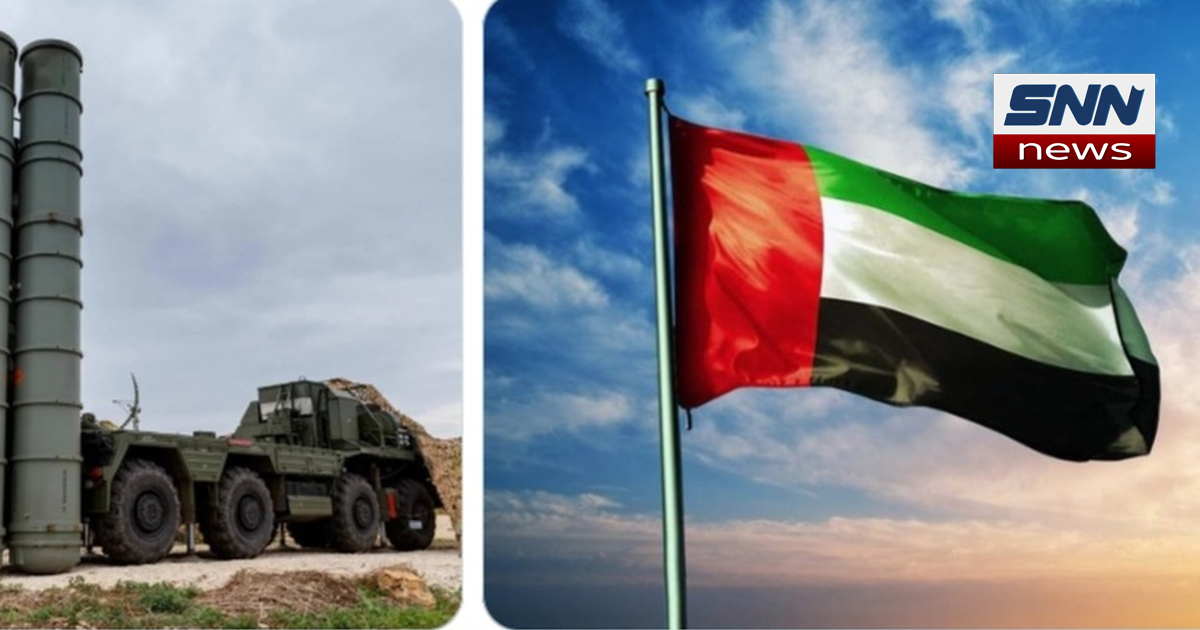
Turkey’s S-400 systems are at the centre of new negotiations: Ankara is reported to be discussing the transfer of its Russian-made S-400 air defence systems to Gulf states. According to US and regional officials, the primary candidate is the United Arab Emirates, and the most recent reports also name Saudi Arabia. The goal behind the talks is to clear US objections to Turkey’s purchase of F-35 fighter jets.
Turkey’s S-400 purchase led the United States to remove it from the F-35 programme in 2019. Washington has justified that decision by saying the Russian air defence system and NATO fighter aircraft cannot coexist without a security risk. Moving the system out of Turkey has therefore been the central condition for any F-35 sale.
What the talks are about
The transfer is not a straightforward arms deal, because the system is of Russian origin. In practice it requires Moscow’s consent: without Russia’s approval, the system cannot be sold on. Russian officials have not confirmed a transfer, but Russia has been reported to be open to it. The Kremlin has described the matter as “extremely sensitive” without commenting further.
Turkey’s own government has stayed quiet as well. Turkey’s foreign minister has not confirmed the reports about a transfer to the UAE. Publicly, some accounts suggest the transfer has not moved as hoped: parts of the reporting say the talks have not progressed and that the recipient is not settled.
Turkey’s S-400 and the F-35: the knot the transfer would untie
For Turkey, moving the S-400 out of the country is a way back into the US fighter programme. Ankara has long sought new fighter aircraft, and returning to the F-35 would be a significant step in modernising its air force — and a political signal of normalising relations.
For Washington the question is technology security. The United States has stressed that a Russian system operating near F-35 aircraft is a risk: its radars and sensors can collect information about the aircraft’s characteristics. That has been the actual reason Turkey was excluded from the programme.
Why Gulf states are interested
Gulf interest in Russian air defence systems is tied to the region’s security situation. The war with Iran and the associated drone and missile strikes have highlighted the importance of air defence across the region. The UAE has been diversifying its arms purchases from different suppliers, and Saudi Arabia has long needed stronger air defence.
The deal also carries tensions. During the Iran war Russia backed Iran, and some Gulf states have been critical of that. Buying a Russian system is therefore not only a technical decision but a political one: it ties the buyer to relationships it does not fully control.
What is not known
Based on publicly available information, there is no certainty about which country would ultimately receive the systems, on what timetable a transfer would happen, or on what terms Russia would approve it. There is also no confirmed information on the value of a transfer or the number of systems involved. All of this rests on unnamed official sources and media reports, and SNN News Finland has not independently verified it.
It is also worth noting that the S-400 question has come up before, and talks have repeatedly stalled over Russia’s approval and US demands. A transfer is therefore not certain, even though negotiations are taking place.
What this means for Finland and Europe
Turkey is a NATO member, so the S-400 question is also an internal alliance matter. If Turkey returns to the F-35 programme, that would strengthen its position in NATO and ease defence cooperation. At the same time, moving Russian systems to the Gulf would shift the regional balance and could affect how Russia positions its arms exports in future.
For Europe, the key question is how internal alliance tensions are resolved. Normalising US–Turkish relations would benefit NATO, particularly at a time when Europe’s security environment has worsened.
Read also: Iran’s seven conditions and the regional standoff · the Strait of Hormuz shipping crisis.
Key facts on Turkey’s S-400 transfer
- What: Turkey is reported to be negotiating the transfer of its Russian-made S-400 air defence systems to Gulf states
- Possible recipients: the UAE as the primary candidate, with Saudi Arabia now also named; Qatar has been mentioned previously
- Goal: to clear US objections to Turkey’s F-35 fighter purchase
- Background: the US removed Turkey from the F-35 programme in 2019 over the S-400 purchase
- Russia’s role: a transfer needs Moscow’s approval; Russia has not confirmed it and calls the matter sensitive
- Uncertainties: recipient, timetable, terms and quantities are unconfirmed
FAQs:
Why does Turkey want to give up its S-400 systems?
To persuade the United States to lift objections to F-35 sales. Washington excluded Turkey from the F-35 programme in 2019 because of the Russian air defence system.
Which countries could receive the systems?
Reports point primarily to the UAE, with Saudi Arabia also named and Qatar mentioned earlier. There is no confirmed information.
What does Russia say?
Russia has not confirmed a transfer. The Kremlin calls the question sensitive. A transfer cannot happen without Moscow’s approval.
Why does the US object to the S-400?
The US argues that the Russian system’s radars and sensors pose a risk to F-35 technology if the systems operate close to each other.
Is the transfer certain?
No. Reporting suggests the talks have stalled over Russia’s approval, and Turkey’s government has not confirmed a transfer.
What to watch next
The next steps are Russia’s position, official confirmation from Ankara and a US statement on whether moving the system is enough to satisfy the F-35 condition. It also remains to be seen whether Saudi Arabia joins the talks or whether they stay confined to the UAE.
Turkey’s S-400 question is therefore more than a single arms deal: it links US–Turkish relations, internal NATO politics, Russian arms exports and Gulf security. That is why its resolution could matter well beyond one aircraft sale.
Image: supplied illustration. Verified by Scandinavian News Agency Finland.
Sources: NATO – defence cooperation.
About The Author