
Iran’s seven conditions —
Riffat Kausar
SNN News Finland
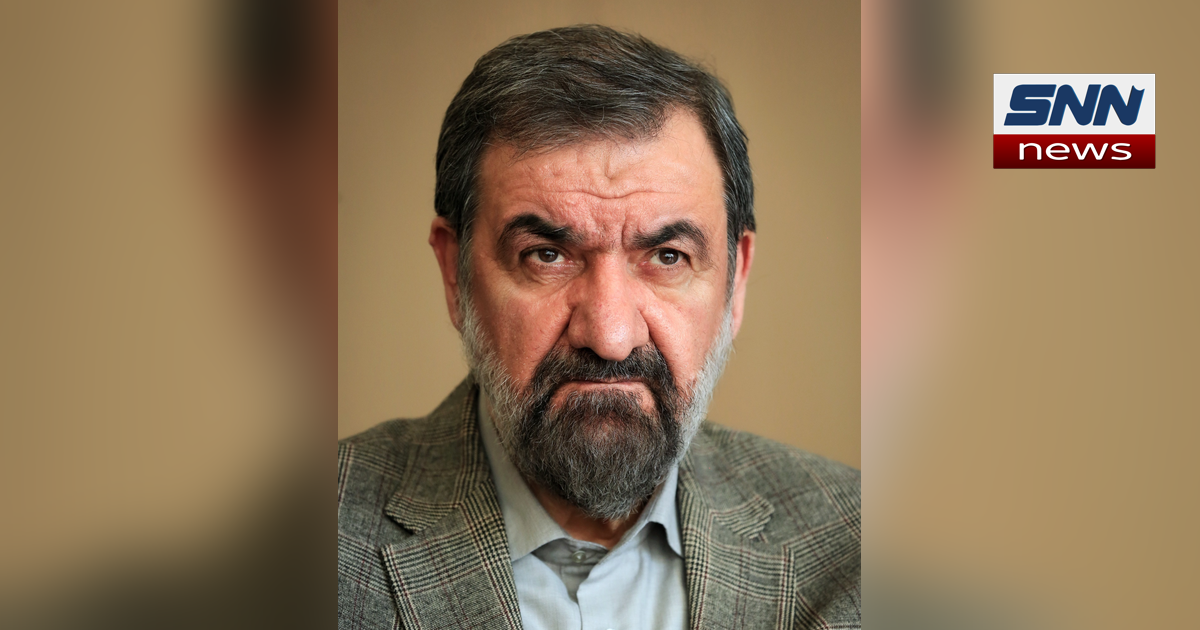
Iran’s seven conditions returned to the centre of international attention after the secretary of Iran’s Supreme National Security Council, Mohsen Rezaei, demanded that the United States accept them — and flatly denied that the two sides are negotiating. Rezaei dismissed reports of diplomatic contacts as “fake news about imaginary talks” and told Washington to “surrender” to the conditions.
The statement followed US President Donald Trump’s remarks that the war is effectively over and unlikely to widen. Iran’s answer pointed in the opposite direction: instead of discussing the military situation, Tehran put its conditions at the centre — and said they must be accepted as they stand.
What Iran’s seven conditions include
Iran’s seven conditions were passed to Washington through Qatari mediators in September. Rezaei has not published the full list, but he has named the central demands: an end to the war on all fronts, the release of frozen Iranian assets and an end to the US naval blockade.
According to publicly reported accounts, the conditions also cover the lifting of US economic restrictions, compensation for wartime damage, a halt to hostilities across the region and the question of Iran’s role in policing the Strait of Hormuz. Iran has said it will not reopen the Strait to normal traffic until the conditions are accepted — and that this point is not open to negotiation.
Why Iran’s seven conditions are decisive
Iran’s seven conditions are not merely a negotiating technicality. They define the terms on which the conflict could end, and with them the balance of power in the region. If accepted as they stand, the United States would give up a significant part of its leverage — the naval blockade, sanctions and frozen assets — without a clearly written commitment in return.
That is why framing the demands as “surrender” carries political weight: it sets a frame in which the sides are not negotiating with each other, but one side sets terms and the other accepts or refuses. Such a frame makes compromise harder, because it makes partial deals appear impossible.
The Strait of Hormuz and the blockade: the hard core of the conflict
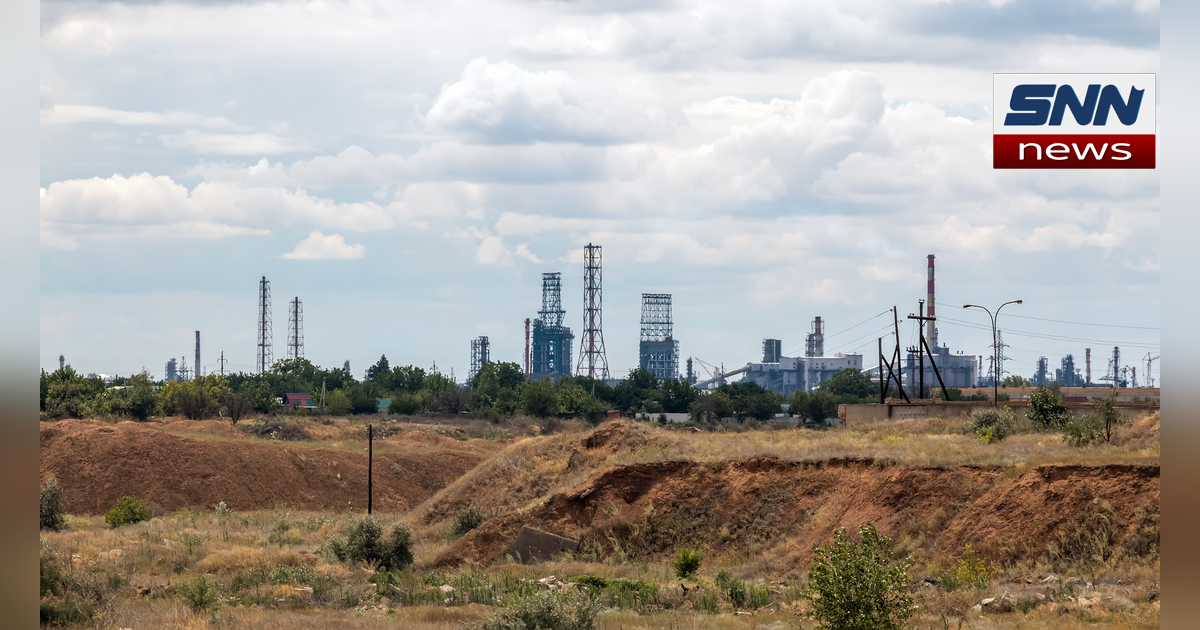
The Strait of Hormuz has been the conflict’s central economic factor. The strait is closed under the enforcement of Iran’s Revolutionary Guard, while the United States maintains a naval blockade that has been expanded through the so-called Iron Gate procedure. For international shipping the situation is exceptional: in normal times a large share of the world’s oil shipments passes through the strait.
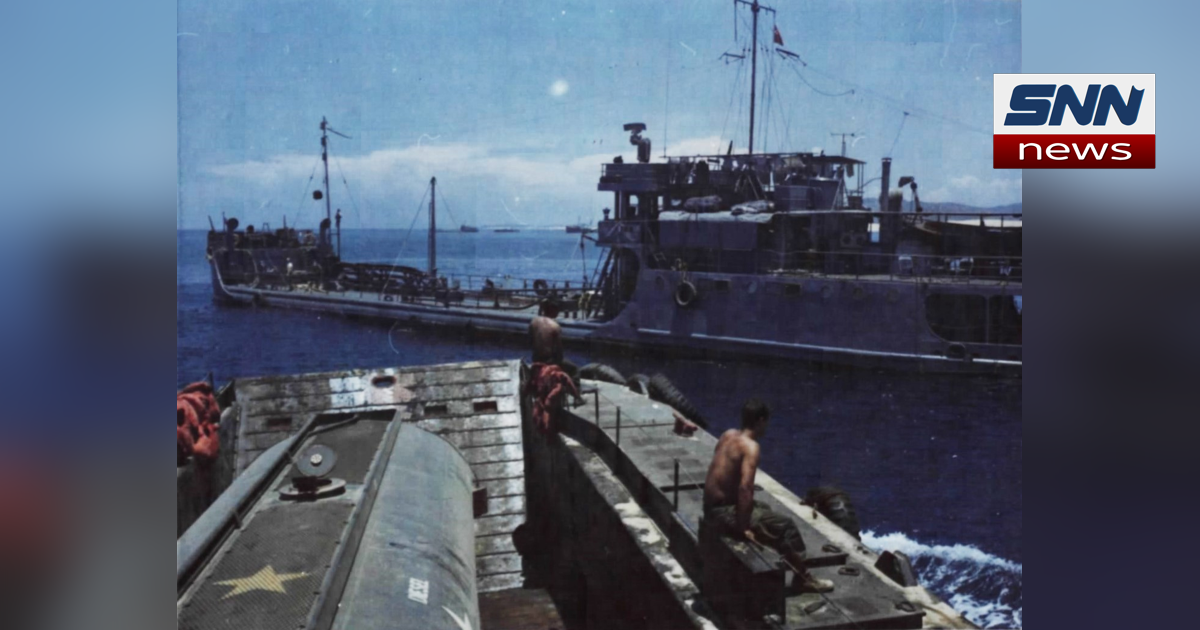
According to US Central Command, more than 135 vessels have been turned around as of early October. Oil prices have fallen about 22 per cent from their October peak and are trading around $91–92 a barrel — a sign that markets are pricing in partial relief, but not the end of the conflict.
The US position: the war is “effectively over”
The US president has repeated that the conflict is effectively over while warning that Washington is ready to resume strikes if talks do not progress. That dual message has been the US line all autumn: military readiness is maintained, but escalation is avoided because a wider war would be politically and economically costly.
Iran’s statement puts that line in a difficult position. If Tehran denies talks and demands that its conditions be accepted, Washington has no partner to negotiate with — only mediators. In practice, the two sides can end up in a situation where they do not talk directly at all, but communicate through third parties.
What this means for Europe and Finland
For Europe, Iran’s seven conditions are a direct question. Closing the strait affects energy prices, shipping and insurance, and a prolonged conflict keeps uncertainty in energy markets alive. For Finland the effect arrives chiefly through electricity and energy prices: uncertainty in the European energy market also pushes prices higher in the Nordic countries.
The conflict also connects to the broader security debate. If the Strait of Hormuz stays closed for long, pressure grows on European energy policy — both on security of supply and on prices. That is one reason why Iran’s conditions are being watched in Europe more closely than usual.
Read also: Iran, tankers and mines in the Strait of Hormuz · the US strike that disabled the M/V Huda.
Key facts on Iran’s seven conditions
- Author: Mohsen Rezaei, secretary of Iran’s Supreme National Security Council
- Core demands: an end to the war on all fronts, release of frozen assets, an end to the naval blockade and the lifting of economic restrictions
- Channel: the conditions were passed to Washington through Qatari mediators in September; the full list has not been published
- Strait of Hormuz: remains closed and, per Iran, will not reopen before the conditions are accepted
- Status: no ceasefire in force; the US naval blockade is operating and more than 135 vessels have been turned around
- Oil: Brent around $91–92 a barrel, roughly 22 per cent below the October peak
FAQs:
What are Iran’s seven conditions?
They are Iran’s stated terms for ending the conflict with the United States, including a halt to hostilities, the release of frozen Iranian funds, the lifting of the naval blockade and the removal of economic restrictions.
Are the US and Iran negotiating?
According to Iran, no. Rezaei has denied talks and called reports of them fake news. Contact is happening through mediators.
Why is the Strait of Hormuz closed?
Iran’s Revolutionary Guard enforces the closure, and Iran says the strait will not reopen to normal traffic until its conditions are accepted.
How does this affect energy prices?
The closure and the blockade keep uncertainty in energy markets alive. Oil prices have fallen from their October peak but remain well above pre-conflict levels.
What can Europe do?
Europe’s options are limited because talks run through mediators. In practice, Europe is focusing on security of supply and stability in energy markets.
What to watch next
The coming weeks will show whether the standoff shifts. Key questions are whether the United States continues strikes or holds a ceasefire-like pause, whether the Strait of Hormuz partially reopens, and whether a channel emerges through mediators to discuss the conditions. At present no ceasefire is in force, and both sides are maintaining military readiness.
Iran’s seven conditions are therefore more than a list of demands: they are a negotiating strategy by which Tehran sets the terms of the discussion. Whether that frame is accepted will shape much of how the Middle East looks in the months ahead.
Photo: Mohsen Rezaee / Wikimedia Commons, CC BY 4.0. Verified by Scandinavian News Agency Finland.
Sources: International Maritime Organization (shipping safety).
About The Author