
By Riffat Kausar
Snn News Finland
National Remembrance Day Marks Finland’s Tribute to Fallen Soldiers and Peacekeepers
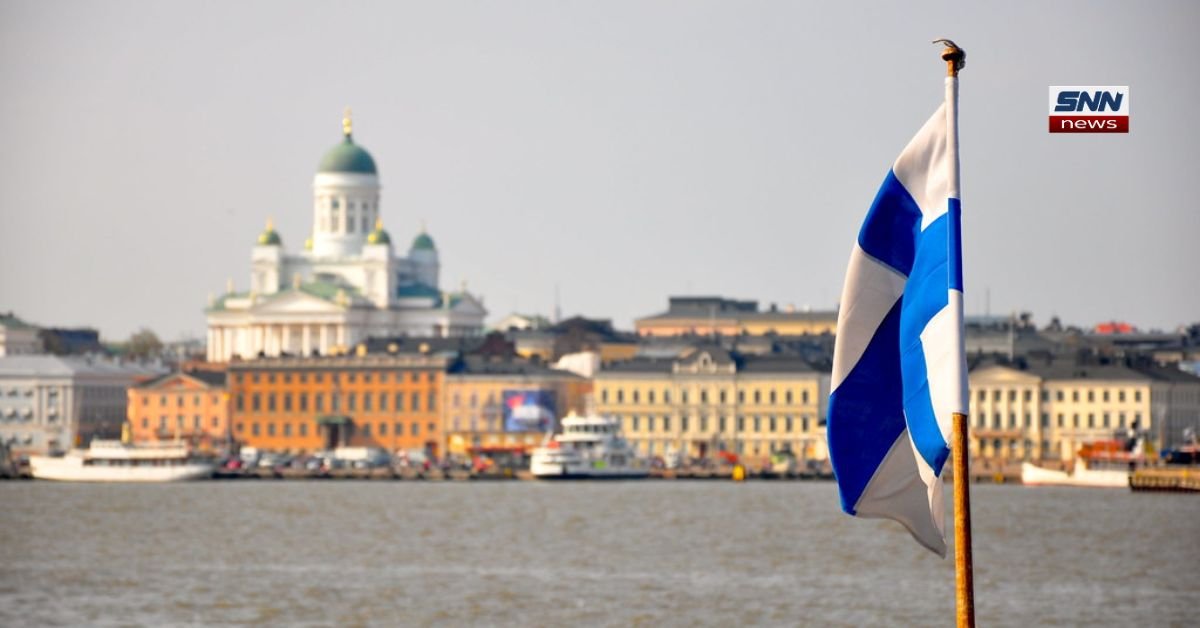
Finland marked its annual Commemoration Day of Fallen Soldiers on Sunday, with national flags raised across the country as citizens, government institutions, churches, and military organizations paid tribute to those who lost their lives defending the nation.
Known in Finland as Kaatuneitten muistopäivä, the Commemoration Day of Fallen Soldiers is one of the country’s most solemn national remembrance events.
Observed every year on the third Sunday of May, the day honors Finnish soldiers who died in war, those who were executed or lost their lives in prison camps during conflicts, and more recently, Finnish personnel who died while serving in international peacekeeping missions.
Across Finland, flags were flown as a sign of respect, with memorial ceremonies, wreath-laying events, and church services taking place in cities, towns, and local communities.
The remembrance day reflects Finland’s commitment to preserving the memory of those who sacrificed their lives during some of the most difficult chapters in the nation’s history.
Why Flags Are Flying in Finland Today
Many residents and visitors noticed Finnish flags displayed outside public buildings, homes, churches, military sites, and municipal offices throughout the country.
The reason is Finland’s official observance of the Commemoration Day of Fallen Soldiers, a recognized national flag day.
Unlike celebratory flag days, this remembrance day carries a more reflective meaning.
In Finland, flags are traditionally flown at half-mast during part of the day before being raised to full height later in the evening, symbolizing mourning, honor, and national unity.
The History Behind Finland’s Remembrance Day
Origins During World War II
The origins of this national day of remembrance date back to 1940, during the aftermath of the Winter War.
The idea for a unified memorial day emerged during wartime, when Finland sought a way to honor those who had died defending the country.
Military leader Carl Gustaf Emil Mannerheim officially established the observance in 1940.
Initially, the day remembered those who died in the Winter War and the Finnish Civil War.
Over time, its scope expanded to include those lost in the Continuation War, the Lapland War, and later peacekeeping missions involving Finnish Fallen personnel.
Who Is Honored on This Day?
Today, Finland’s Commemoration Day of Fallen Soldiers honors a broad group of individuals who lost their lives while serving their country or protecting others.
These include:
- Soldiers killed in Finland’s wartime conflicts
- Civilians who died during war-related events
- Prisoners who lost their lives during conflict periods
- Members of wartime support organizations
- Finnish peacekeepers who died during international missions
- Fallen
In recent decades, Finland has increasingly included soldiers who died during missions organized by the United Nations and other international peace operations.
This expansion reflects the changing role of Finland’s defense and humanitarian commitments on the global stage.
Official Ceremonies Across the Country
Throughout the day, Fallen official ceremonies took place across Finland.
In the capital city of Helsinki, remembrance events traditionally include wreath-laying ceremonies at military cemeteries and memorial monuments.
At Helsinki’s historic Hietaniemi Cemetery, public officials, defense representatives, veterans’ associations, and relatives of those who lost their lives regularly come together to honor their memory.
President Alexander Stubb has previously participated in these ceremonies, laying wreaths at memorial sites to honor Finland’s war dead.
A Day of Reflection for Modern Finland
As the number of surviving veterans continues to decline, remembrance days like this carry increasing importance for younger generations.
Schools, local communities, churches, and historical organizations often use the occasion to teach Finland’s wartime history and national resilience.
The day also encourages reflection on broader themes such as:
Key Themes of the Day
- National independence
- Sacrifice and duty
- Peace and reconciliation
- Historical memory
- Responsibility toward future generations
- Fallen
For many Finns, the day is not only about military history but also about understanding the human cost of war.
Finland’s Wartime Legacy
Finland’s modern identity has been deeply shaped by 20th-century conflicts.
The country faced several major wars after independence, including:
- The Finnish Civil War (1918)
- The Winter War (1939–1940)
- The Continuation War (1941–1944)
- The Lapland War (1944–1945)
- Fallen
These conflicts left lasting impacts on Finnish society, politics, and national identity.
The Commemoration Day of Fallen Soldiers serves as a bridge between that historical experience and modern Finnish society.
Public Meaning in 2026
In 2026, the observance comes at a time when security, defense cooperation, and European stability remain important topics in public discussion.
For many citizens, honoring the fallen is not only a matter of remembering history but also recognizing the value of peace, sovereignty, and national unity.
As flags fly Fallen across Finland today, the message remains clear: the sacrifices of those who gave their lives for the country will not be forgotten.
Read more about Finland’s tribute to the fallen soldiers and national remembrance traditions.
About The Author