
Council of Europe Moves Forward With International Tribunal Against Russian Leadership
A major legal step in Europe’s response to the war in Ukraine was announced this week as 36 countries formally Special Tribunal the creation of a special international tribunal aimed at investigating Russia’s crime of aggression against Ukraine.
The tribunal, supported by the Council of Europe, is expected to be based in The Hague, a city known globally for hosting international courts and legal institutions.
The initiative marks one of the most coordinated international legal efforts since Russia launched its full-scale invasion of Ukraine in February 2022.
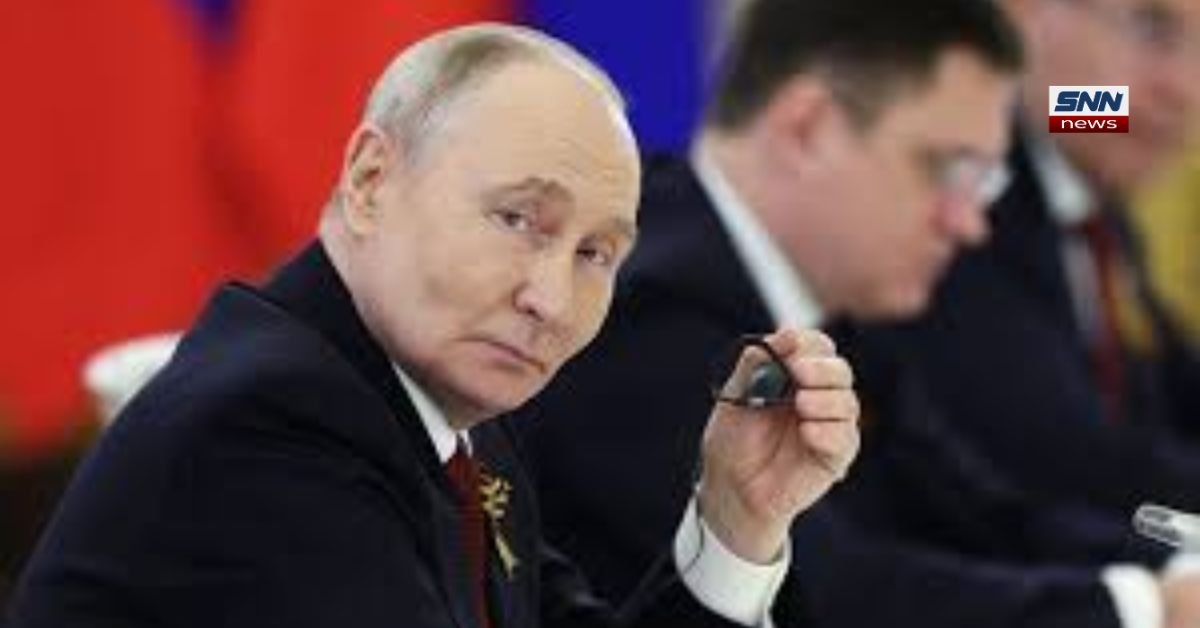
Officials involved in the process say the tribunal is intended to examine the responsibility of Russia’s top political and military leadership, including President Vladimir Putin, over decisions linked to the invasion of Ukrainian territory.
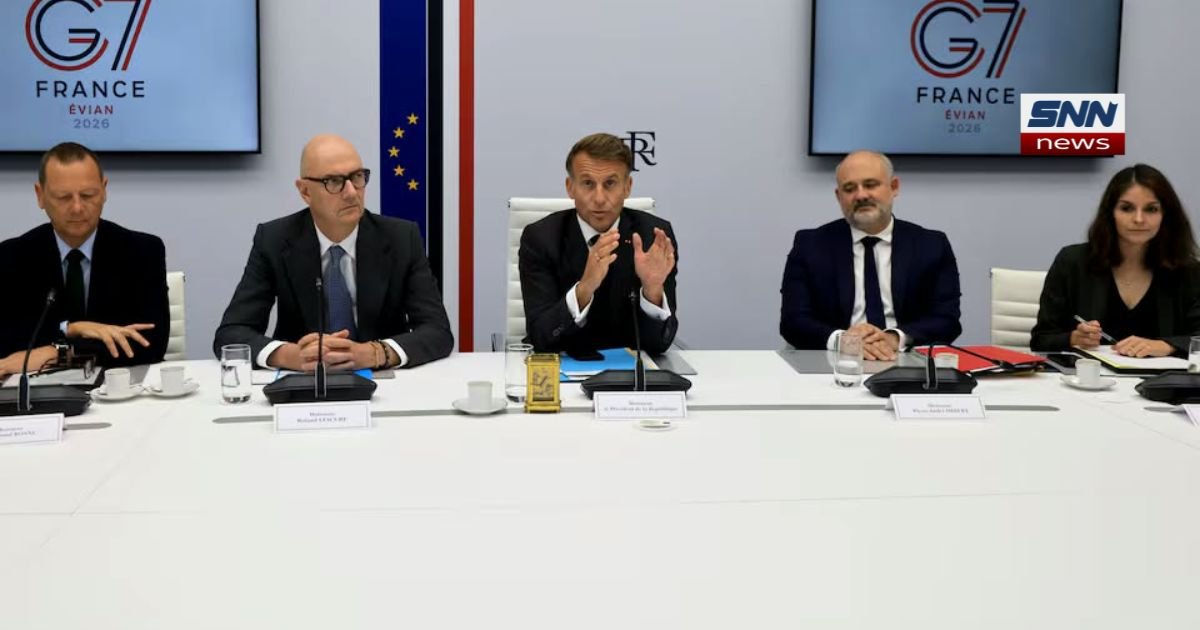
The agreement was formally endorsed during a ministerial meeting of the Council of Europe, where participating nations described the move as an important step toward international accountability and long-term justice.
The tribunal is designed specifically to address the crime of aggression, a legal category covering the unlawful use of armed force by one state against another.
What Is the Special Tribunal and Why Is It Being Created?
The proposed tribunal is intended to close a legal gap that currently exists in international criminal law.
While the International Criminal Court can investigate war crimes, crimes against humanity, and genocide, prosecuting the crime of aggression is legally more complex in cases involving countries that are not fully under ICC jurisdiction.
Because Russia is not operating under the same legal framework in this matter, European governments and Ukrainian officials have pushed for a separate judicial mechanism capable of investigating the decision-makers behind the invasion.
Legal experts describe the crime of aggression as a leadership crime. This means the tribunal would focus on individuals who had direct authority over military and political decisions, including heads of state, senior ministers, and top military commanders.
If fully established, the court would be able to investigate actions linked to Russia’s invasion of Ukraine and determine whether international law was violated at the highest level of command.
Countries Supporting the Tribunal
A total of 36 countries joined the initiative, most of them from Europe. The list includes:
- Finland
- Germany
- France
- United Kingdom
- Netherlands
- Sweden
- Norway
- Poland
- Italy
- Spain
- Australia
- Costa Rica
- Special Tribunal
Several smaller European states also joined, demonstrating broad political support for the legal effort.
The European Union also publicly endorsed the tribunal, though not all EU member states added their names during the latest agreement. Officials say additional countries may still join in the coming months.
Why The Hague Was Chosen
The tribunal is expected to operate from The Hague in the Netherlands, often referred to as the international city of peace and justice.
The Hague already hosts several major institutions, including the International Criminal Court and the International Court of Justice, making it a natural location for a tribunal dealing with international conflict and state accountability.
Legal analysts say placing the tribunal there strengthens its symbolic and institutional legitimacy.
Can Putin Actually Be Prosecuted?
One of the biggest questions surrounding the Special Tribunal is whether Vladimir Putin could face trial.
Current international legal protections mean sitting heads of state often have immunity while in office.
This means that although the tribunal may investigate and potentially issue legal findings, full prosecution could face legal and political barriers unless those protections change.
However, experts note that formal investigations, evidence collection, indictments, and historical documentation can still play a major role in future accountability.
Other senior officials, military commanders, or former state figures could potentially face proceedings sooner depending on their legal status.
Why This Matters Globally
The creation of this tribunal goes beyond Europe’s political response to the Ukraine war. It could shape how international law is applied in future conflicts and how world leaders are held accountable for acts of aggression.
Supporters argue the initiative sends a clear message that military invasions cannot happen without legal consequences. Critics, however, say enforcement remains one of the biggest challenges in international justice.
Still, for Ukraine and its allies, the tribunal represents a long-term legal strategy designed to document evidence, preserve testimony, and build future cases linked to the conflict.
Next Steps for the Tribunal
Before the tribunal can become fully operational, participating countries must complete national legal procedures and approve governance structures.
The next steps include:
Formation of Key Judicial Bodies
- Selection of judges
- Appointment of prosecutors
- Approval of procedural rules
- Funding commitments from member states
- Special Tribunal
Once completed, the Special Tribunal will begin formal preparations for investigations related to the Russian invasion of Ukraine.
Officials from the Council of Europe described this week’s agreement as a turning point in the international legal response to the conflict and one of the strongest multinational accountability efforts since the war began.
About The Author