
US-Iran war talks —
By Riffat Kausar
SNN News Finland
US-Iran war talks entered a third consecutive day in Doha on Sunday, with Qatari mediators pushing a proposal to reopen the Strait of Hormuz within two days, even as President Donald Trump said one or two targets remain in Iran and Tehran’s Revolutionary Guard warned it is preparing operations in new geographic theatres.
What the Doha talks are working towards
Iranian negotiators stayed in the Qatari capital for a third day of indirect discussions with Qatari mediators aimed at reaching an agreement to end the US-Iran war, an official briefed on the discussions said.
Qatari mediators travelled to Tehran on Friday for more than twelve hours of talks with Iranian officials before the venue moved to Doha on Saturday. The mediation is being coordinated in regular contacts with Washington.
Iran’s foreign minister, Abbas Araghchi, described the United States’ offer of dialogue as “a positive step”. Accounts of the mediation say the immediate focus is a trust-building package under which the Strait of Hormuz could be reopened within two days if Washington meets a set of Iranian demands.
Those demands are reported to include lifting recently imposed US sanctions, restoring oil waivers, reducing the US military presence in the region, recognising new shipping routes designated by Iran and Oman, and ending the conflict on all fronts. SNN Finland has not independently verified the full text of any draft.
Related SNN reporting has tracked the wider standoff, including Iran’s security leadership setting conditions for any talks and the economic weight of the conflict, with the cost of the US war against Iran reaching 47.1 billion dollars.
Trump says one or two targets remain
Trump said the United States has largely destroyed Iran’s military capability but still has “one or two” sites to deal with, adding that negotiations were “going fine” although Tehran is “not very reliable”. He pointed to Pickaxe Mountain, a suspected underground nuclear complex, as one of the remaining targets. Iran denies that nuclear activities are being carried out at the site. The president has said no new attacks will be launched before the US midterm elections on 3 November.
Secretary of State Marco Rubio said Trump has not decided whether to launch fresh strikes, and that Washington would prefer to resolve the conflict diplomatically. Trump and Israeli Prime Minister Benjamin Netanyahu spoke by telephone on Saturday as planning for a possible renewed campaign continued, according to accounts of the call. SNN Finland has not independently confirmed the content of that conversation.
Iran warns of operations in new theatres
Iran’s Supreme Leader, Mojtaba Khamenei, issued a statement on Saturday ordering the armed forces to be prepared to respond to any attack without geographic limitations. On Sunday, Revolutionary Guard spokesman Hossein Mohabi said the force had begun identifying new targets and planning operations in “new geographic theatres”.
Tehran has repeatedly said that any new attack would be answered by strikes on US and Israeli targets in neighbouring countries. Iran’s defence establishment has made similar warnings before, including a public warning from its defence minister that its forces were ready to respond. The threat matters beyond the battlefield: it is the prospect of a wider war that has pulled Gulf states into the diplomacy.
Us-iran war talks: key facts
Key facts
- Qatar-mediated talks between Iranian negotiators and US interlocutors entered a third day in Doha on Sunday, an official briefed on the discussions said.
- The immediate focus is a proposal to reopen the Strait of Hormuz within two days if Washington meets a set of Iranian demands.
- President Donald Trump says the United States still has “one or two” targets in Iran, but has ruled out new strikes before the 3 November midterm elections.
- Iran’s Supreme Leader ordered the armed forces to be ready to respond without geographic limits, and the Revolutionary Guard says it is planning operations in “new geographic theatres”.
- Attacks on shipping around the Strait of Hormuz reached their highest monthly level of the war in October, according to maritime security data.
- US-Iran War Talks
FAQs:
Is a ceasefire in place?
No. Talks are continuing, but no agreement has been announced and both sides say military options remain open.
Has the United States agreed to stop strikes?
Trump has said no new attacks will be launched before the midterms. He has not ruled out action afterwards, and Rubio says no decision has been taken.
What does Iran want?
Reported demands include ending the naval blockade, releasing frozen assets, lifting recently imposed sanctions, reducing the US military presence in the region and recognising new shipping routes in the strait.
Could the war spread beyond the Middle East?
Iran’s leadership has authorised responses without geographic limitations and the Revolutionary Guard says it is planning in new theatres. Whether that leads to action is not confirmed.
What happens after the midterm elections?
It is unclear. Trump has described one or two remaining targets and planning for a renewed campaign has been reported, but no operational decision has been announced. SNN Finland has not independently verified any strike plan.
Why Hormuz is the hinge of the talks
The Strait of Hormuz carries a large share of the world’s seaborne crude, and shipping there has become the war’s most visible front. Attacks on commercial vessels in and around the strait reached their highest monthly level of the conflict in October, according to maritime security data compiled by a Washington-based research institute and by the UK Maritime Trade Operations agency. Iranian state television reported that a ship transiting the strait struck a mine and caught fire, and the Revolutionary Guard said three oil tankers had been halted after incidents.
The United States has been enforcing a naval blockade of Iranian ports and conducting mine-clearance operations in the waterway.
Those conditions a blockade in place, mines in the channel and shipping routes closed or contested are exactly what the Doha proposal is designed to unwind. Regional governments that depend on the strait have been lobbying to prevent the conflict from reaching their own coastlines again, a shift in the region’s alignments that SNN Finland has examined in its analysis of the new Middle East chessboard.
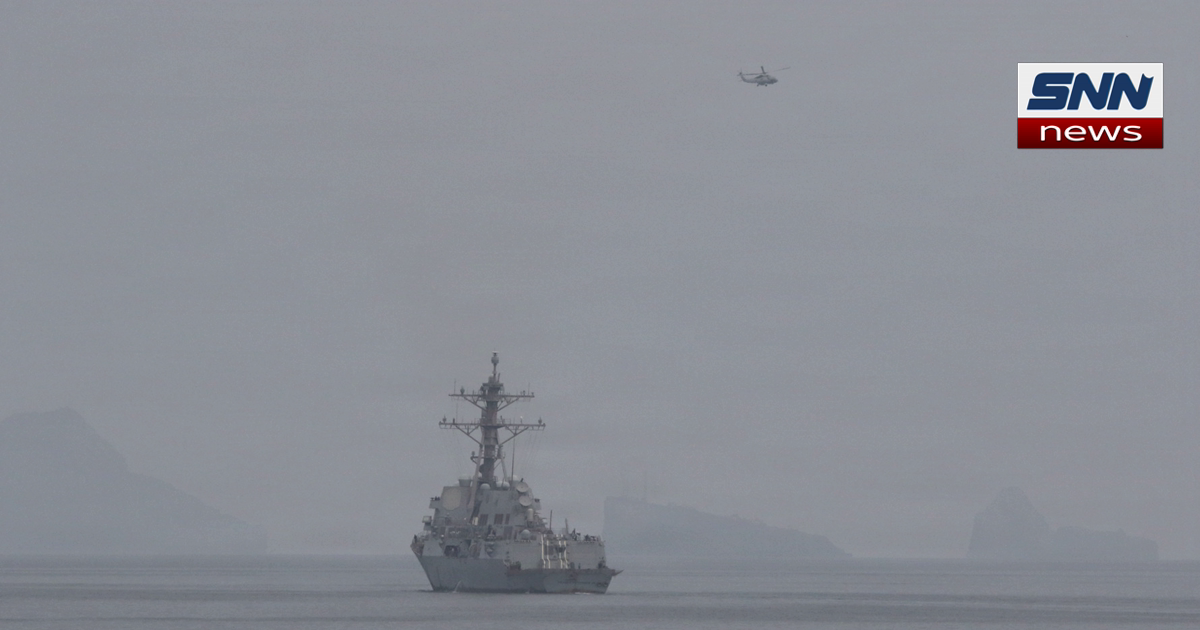
US-Iran negotiations in Doha have entered their third day, with discussions focused on a proposed Strait of Hormuz plan, regional security concerns and efforts to address tensions between Washington and Tehran.
Frequently asked questions
Is a ceasefire in place?
No. Talks are continuing, but no agreement has been announced and both sides say military options remain open.
Has the United States agreed to stop strikes?
Trump has said no new attacks will be launched before the midterms. He has not ruled out action afterwards, and Rubio says no decision has been taken.
What does Iran want?
Reported demands include ending the naval blockade, releasing frozen assets, lifting recently imposed sanctions, reducing the US military presence in the region and recognising new shipping routes in the strait.
Could the war spread beyond the Middle East?
Iran’s leadership has authorised responses without geographic limitations and the Revolutionary Guard says it is planning in new theatres. Whether that leads to action is not confirmed.
What happens after the midterm elections?
It is unclear. Trump has described one or two remaining targets and planning for a renewed campaign has been reported, but no operational decision has been announced. SNN Finland has not independently verified any strike plan.
About The Author